Exclusive: Official move towards Washington and Tehran to liberate Iraqi oil in the Strait of Hormuz
Exclusive: Official move towards Washington and Tehran to liberate Iraqi oil in the Strait of Hormuz
2026-08-16
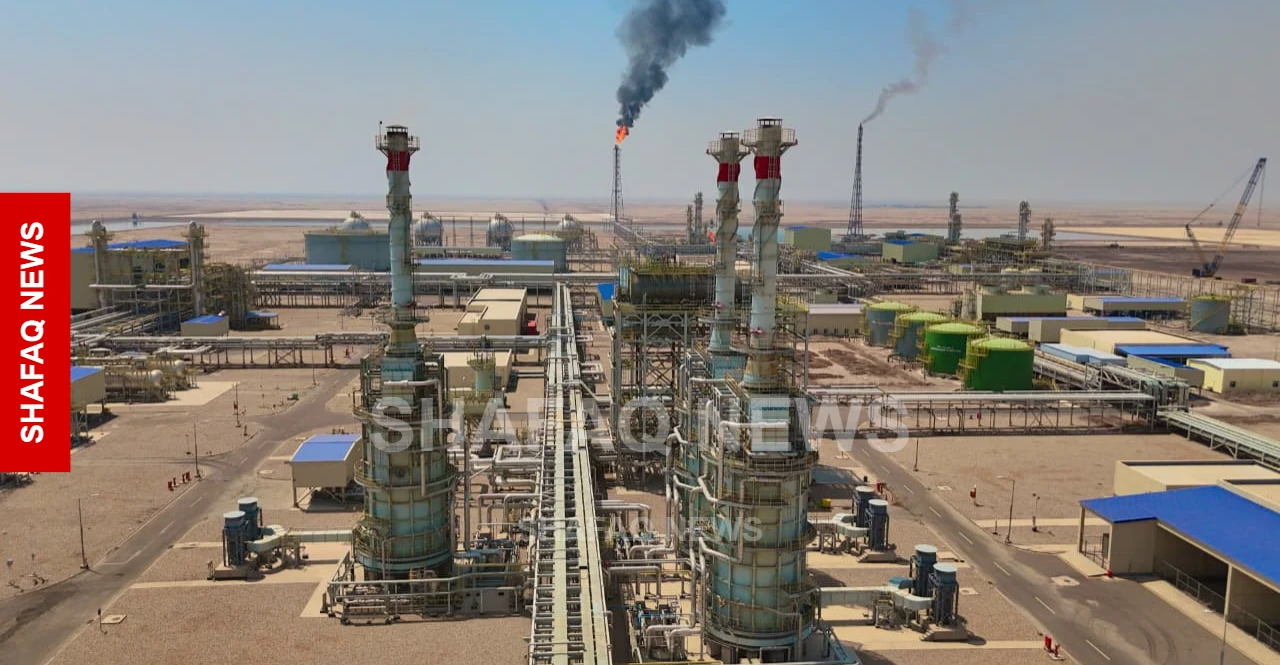 Shafaq News – Baghdad
Zainab al-Khazraji, a member of the Oil, Gas and Natural Resources Committee in the House of Representatives, revealed on Sunday that there is an official Iraqi diplomatic move towards both the United States and Iran to ensure the continued passage of Iraqi oil tankers through the Strait of Hormuz.
Al-Khazraji told Shafaq News Agency that “there are two main routes in the strait, one controlled by US forces and the other by Iranian forces,” indicating that Baghdad is seeking, through direct dialogues with both sides, to ensure the passage of foreign tankers carrying Iraqi oil through the strait.
According to her, Iraq seeks to allow the passage of oil tankers on a continuous and permanent basis, not temporarily or for a specific period, in order to ensure the smooth flow of its oil exports and that they are not affected by security developments in the region.
Regarding oil exports, Al-Khazraji pointed out that “Iraq’s exports have currently increased by 60 percent,” explaining that exports had decreased at the beginning of the war to less than one million barrels per day, before gradually rising to about 1.5 million barrels per day, and now exceeding two million barrels per day.
A member of the parliamentary Oil, Gas and Natural Resources Committee predicted that the coming period would witness “a remarkable improvement in crude oil exports, reaching three million barrels per day,” noting that this would be reflected in increased state revenues and securing employee salaries during the coming months.
Iraq, which derives about 90% of its revenue from oil sales, was producing about 4 million barrels of oil per day before the war with Iran began on February 28, and exporting an average of 105 million barrels per month, mostly from Basra in the south of the country, through the Strait of Hormuz, through which about 20% of the world’s energy supplies passed.
However, Iran’s closure of the waterway forced Iraq to halt production in most of its fields after the reservoirs filled up, and to resort to exporting limited quantities via Syria by tanker trucks, and from Turkey via a pipeline to the port of Ceyhan.
After briefly reopening it following the signing of a memorandum of understanding with Washington last June, Tehran resumed restricting navigation in the Strait of Hormuz after the resumption of hostilities in early July.
Iraqi oil exports in July reached about 49 million barrels, more than 30 million of which passed through the Strait of Hormuz, according to a statement from the Federal Ministry of Oil.
shafaq.com
