US pressure to ban Iranian flights disrupts the “coordination framework” and revives efforts to interrogate al-Zaidi.
US pressure to ban Iranian flights disrupts the “coordination framework” and revives efforts to interrogate al-Zaidi.
2026-09-30
 Shafaq News – Special Translation
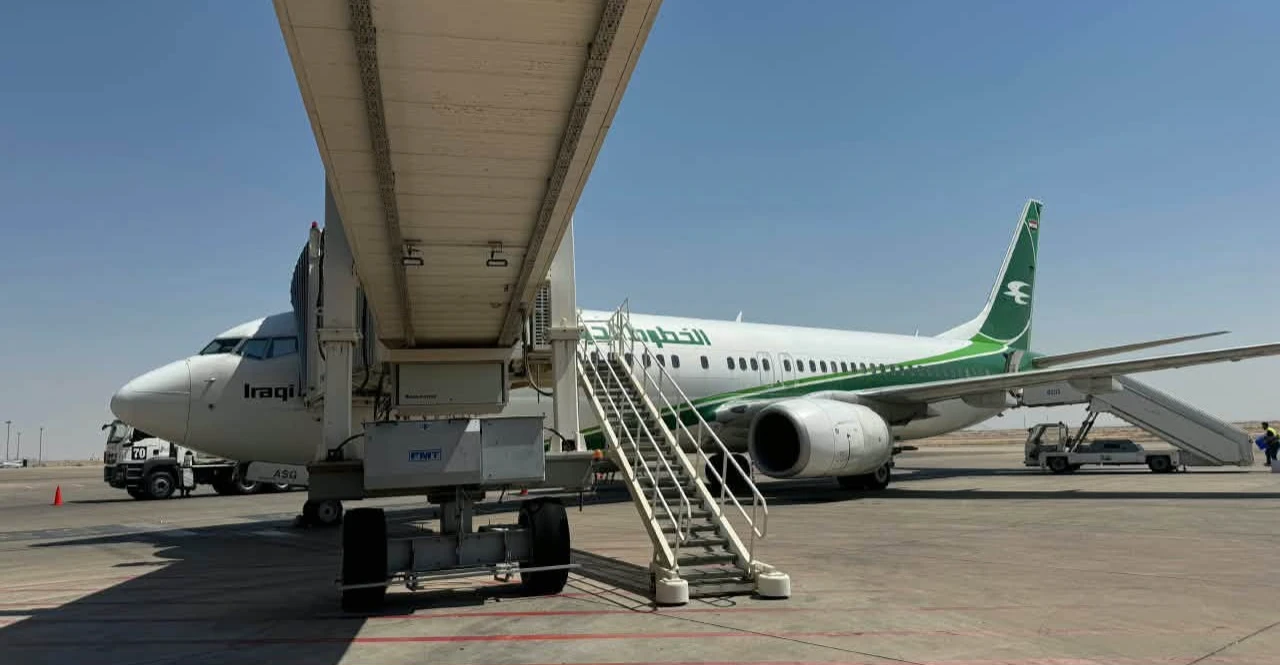
The slow stance taken by the Coordination Framework forces in objecting to Prime Minister Ali al-Zaidi’s decision to ban flights between Iraq and Iran has raised criticism and doubts about the Framework’s critical position on this development and brought criticism upon it, while its forces sought to “save face” with subsequent positions, according to monitoring by the British website “Amwaj”.
The British website explained in a report translated by Shafaq News Agency that Iraq’s suspension of Iranian flights under American pressure has left the ruling coordination framework scrambling to “save face,” noting that the initial silence of the Tehran-backed alliance quickly provoked public anger and criticism from its supporters as well as from Iran itself.
The website continued in its report that while the leaders of the Coordination Framework condemned the decision to suspend flights as a violation of Iraqi sovereignty, the issue has not yet been resolved, amid continued criticism from critics, despite Washington’s approval of a temporary and partial exemption for air travel to Najaf.
The report noted that, amid the widening scope of criticism, the director of Najaf International Airport, Hussein Muhanna, said that the ban orders came from the office of Prime Minister Al-Zaidi.
The report indicated that the lack of a position from the framework leaders at the beginning of the issue only contributed to fueling general frustration, in addition to sharp criticism from Iran, recalling, for example, that the Iranian consulate in Najaf posted on the “X” platform on September 25, questioning how the airport serving the shrine of Imam Ali could be closed to what it called “the largest Shiite country in the world.”
The report also recalled the implicit criticism of the Coordination Framework forces expressed by the Supreme Leader’s advisor in Iran, Ali Akbar Velayati, when he said that the Prime Minister’s legitimacy is rooted in “the soil of Najaf and the blood of the martyrs,” not in Washington, and that the Coordination Framework, which remained silent about what happened, had “trusted the resistance.”
The report noted the criticisms that began to emerge around September 26 regarding the “unjust blockade” of Iran, from the leaders of the framework, including Qais al-Khazali, leader of Asaib Ahl al-Haq, and Akram al-Kaabi, leader of al-Nujaba, who went further by threatening sit-ins at the airport unless flights resumed, while Hadi al-Amiri, head of the Badr Organization, called on the government to reverse what he called the “unjust” decision.
However, the report noted that amid these fiery speeches, some analysts and journalists criticized this apparent shift in rhetoric by the coalition forces as an attempt to “save face,” adding at the same time that the coalition leaders’ opposition to suspending the Iranian flight also reflects a broader problem for the ruling alliance.
The report explained that al-Zaidi is seen as drawing closer economically to Washington in the early months of his term, while politically relying on a group of influential actors that includes some of Iran’s closest allies.
He went on to say that the members of the framework, as ruling parties, have an interest in reducing the cost of US sanctions on Iraq, but politically, some of them also depend on opposing US pressure and maintaining close relations with Iran.
The report noted that Baghdad’s compliance with the embargo, despite objections from the framework’s leaders, demonstrates how difficult it is to resist American pressure when this leads to exposing state institutions to sanctions. It pointed out that this cost is particularly evident in Najaf, given the importance of Iranian visitors to the city’s religious tourism industry, which explains why Baghdad is seeking exemptions covering religious visits in addition to medical and educational travel.
According to the report, all this controversy also reflects the ongoing conflict over al-Zaydi’s authority, pointing to the dispute between al-Zaydi and al-Amiri last August over who would lead the campaign to put the factions’ weapons under state control, as the leader of the Badr Organization insisted that the main decisions should be taken collectively by the coordinating framework rather than by al-Zaydi alone.
The report read in al-Amiri’s call on September 26 for al-Zaidi to reverse the no-fly zone decision that the conflicts over al-Zaidi’s authority go beyond the issue of weapons to the government’s response to American pressure.
The report did not rule out that even with the partial lifting of the ban in Najaf, the opposition to preventing Iranian transport companies from moving from the stage of public condemnations to direct political pressure on al-Zaidi, noting in this context the movement of a group of Basra MPs to demand that the government lift the ban and start collecting signatures to summon al-Zaidi, the Minister of Transport, and the head of the Civil Aviation Authority before the House of Representatives, while a security leader in the Kataib Hezbollah threatened to overthrow al-Zaidi’s government “by all means” if the “air blockade” on Iran continues after October 1.
shafaq.com
