The American proposal: seriousness of implementation and difficulty of performance
The American proposal: seriousness of implementation and difficulty of performance
6-8-2025
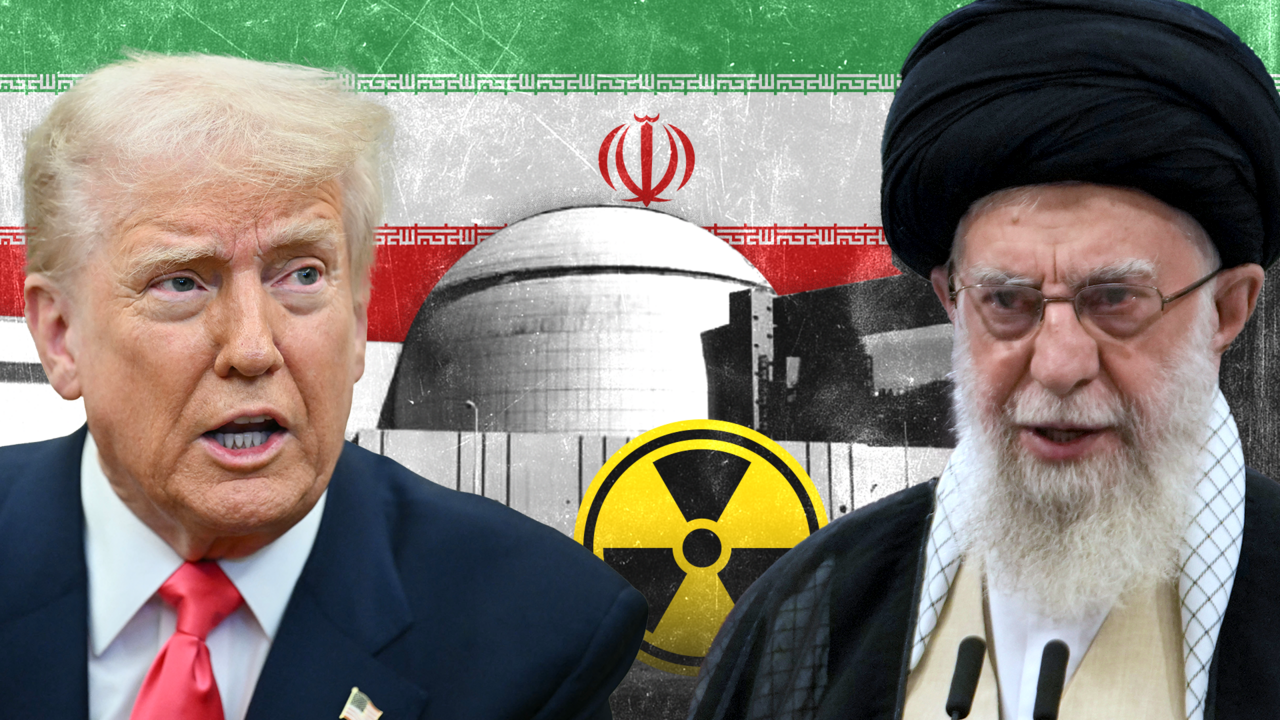 The paths to holding dialogue rounds between the United States and Iran remain dependent on the extent of mutual conviction regarding the feasibility of bilateral dialogue and the future prospects for achieving the strategic goals and objectives of continuing negotiations and their outcomes, engaging with them seriously, and making decisions regarding how to determine the test of intentions based on firm positions and strengthening mutual will to establish solid foundations for a future nuclear agreement.
Iran views the American proposal presented by US envoy Steve Witkoff, which includes establishing an international regional entity for uranium enrichment and relocating enrichment facilities from Iran to an island in the Arabian Gulf, as distancing Iran from its right to enrich on its own territory, widening the circle of mutual mistrust between the two parties, weakening the diplomatic approach to political dialogue, and leading to a state of separation. However, Washington views it as the most appropriate way to establish direct monitoring and adherence to instructions related to the Iranian nuclear program.
Iran fears the measures taken by the US administration to discuss other issues related to political and military aspects, including the requirement that Iran provide guarantees that it will not develop a ballistic missile program capable of carrying nuclear warheads, as well as the efforts of European countries (Germany, France, and Britain) to maintain the field trigger mechanism agreed upon in July 2015, while distancing Tehran from its support for armed factions and militias linked to the military leadership of the Quds Force and the Revolutionary Guard.
The Witkoff proposal was intended to be a lifeline for the continuation of the joint dialogue and negotiations in the coming rounds, and to express Iran’s opinion on a temporary restriction on nuclear facilities and uranium enrichment at 3%, and to establish a monitoring and verification program in view of the Iranian commitment, which, whenever it develops on the ground, leads to the lifting of economic sanctions and the release of frozen funds. It may be a proposal to bridge the gap between the American conditions and demands for a complete halt to uranium enrichment, and Tehran’s position of insisting on maintaining domestic enrichment rates, especially since it has spent billions of dollars over the past two decades to develop its nuclear program and expand its uranium enrichment capabilities. Despite all these developments, Iranian government spokeswoman Fatemeh Mohajerani announced on June 3, 2025, that Iran “will not leave the negotiating table on the nuclear issue and will preserve its national interests.” This is the consistent position in Iranian policy, based on achieving the goals of attending negotiations to reach practical results on the ground that lead to the complete lifting of sanctions, Iran’s return to its political and economic relations with the countries of the world, its influence in the international energy market, and its commitment to preserving its political system.
Iran continues to emphasize its desire to possess nuclear technology for peaceful purposes and to expand its enrichment process to achieve its practical and technical objectives. Washington believes this does not reflect the reality of Iran’s uranium enrichment to 60%, with a significant increase in stockpiling to 400 kg. This exceeds the 3.67% limit set by the July 2015 agreement on the Iranian nuclear program.
Iran is attempting to escalate its dispute with the United States by rejecting the US proposal to resolve the ongoing dispute over the nuclear program, as Iranian officials claim it is “unworkable and does not include any change in Washington’s position on uranium enrichment.” This contradicts the position taken by Steve Witkoff, who considers what he presented “preliminary ideas” that could be discussed in future rounds of dialogue.
Disagreement remains over the terms of the US proposal, which prohibits Iran from building new enrichment facilities, demands the dismantling of uranium conversion and processing infrastructure, and halts research and development related to new centrifuges.
rawabetcenter.com
