Exclusive: Al-Zaydi’s advisor reveals the government’s options for overcoming the salary crisis.
Exclusive: Al-Zaydi’s advisor reveals the government’s options for overcoming the salary crisis.
2026-08-01
 Shafaq News – Baghdad
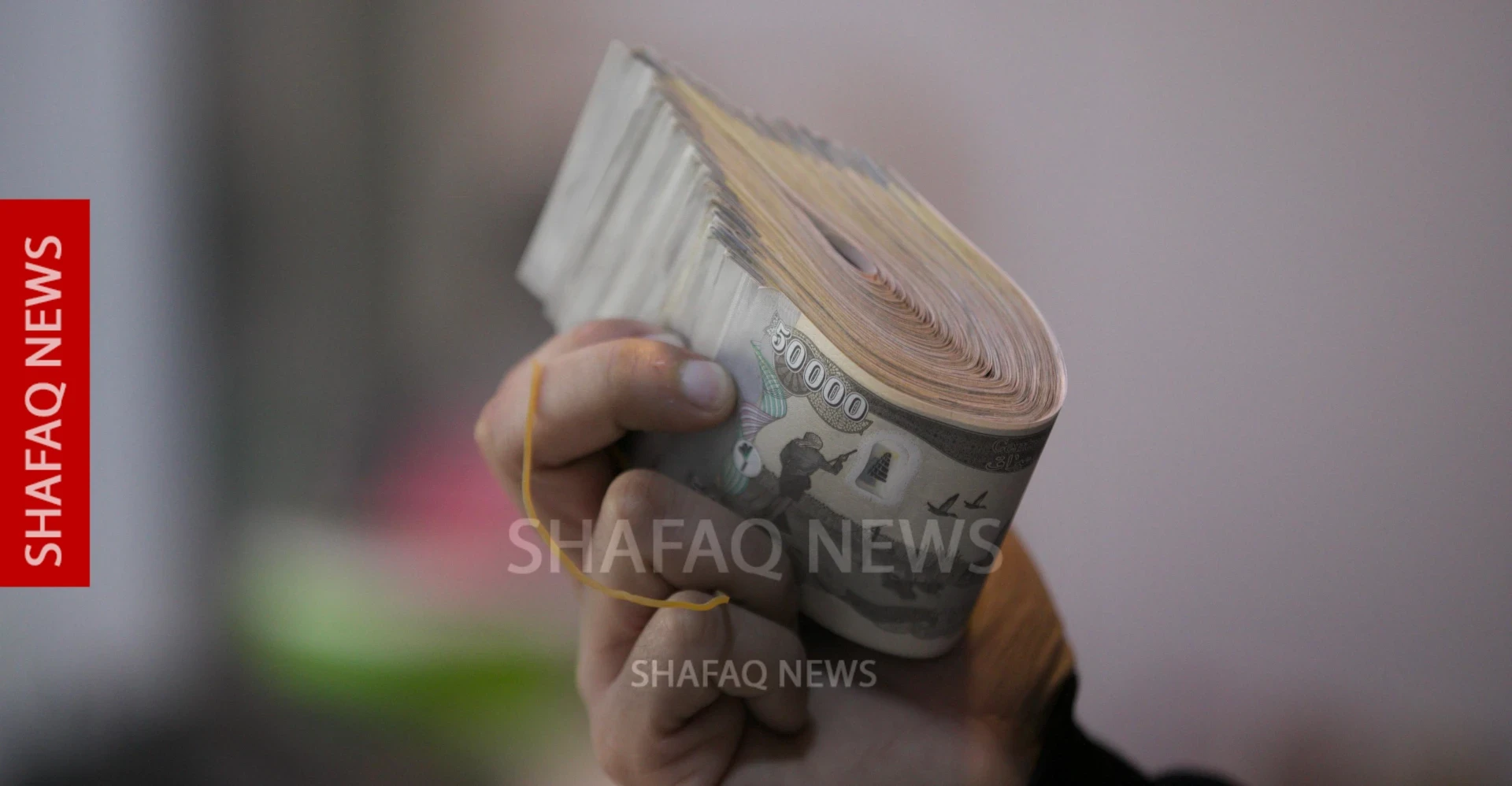
On Saturday, Mazhar Muhammad Salih, the financial and economic advisor to the Iraqi Prime Minister Ali Falih al-Zaydi, revealed the mechanisms for confronting the financial crisis and ensuring the payment of employee salaries during the coming period.
Saleh told Shafaq News Agency that “the continuation of the war until the beginning of next year, and the potential impact on oil exports that will accompany it, may push the government to continue to rely on a mix of financing tools, including internal and external borrowing, especially if the borrowing law currently before the House of Representatives is approved, given its importance in regulating the possibility of resorting to external borrowing.”
He added that “the current stage also requires rearranging public spending priorities, and utilizing foreign reserves as a guarantee tool to maintain the stability of financial flows, and to continue paying salaries and fulfilling the state’s basic obligations.”
Saleh explained that “the nature of the current crisis is not a lack of resources or a risk of bankruptcy, but rather, it is essentially a crisis of managing cash flows in an exceptional situation characterized by a high level of uncertainty, which means that the state still has the ability to contain the pressures, provided that it manages its financial and monetary tools efficiently and accurately.”
The government advisor continued, saying that “crises, no matter how severe, remain temporary phases, while the ability to manage wisely and plan strategically remains the decisive factor in overcoming their effects.”
Saleh pointed out that “the government’s success in combining wise management of the current crisis with accelerating the course of economic reforms will make Iraq more capable of overcoming the repercussions of regional crises and maintaining financial stability, thus ensuring the continued funding of the budget and the disbursement of employee salaries even under exceptional circumstances.”
Iraqi economic researcher Ziad al-Hashemi confirmed on Friday that Iraq has “officially” entered a phase of financial hardship, and that the government is going through its worst financial situation, while citizens are waiting to receive their dues.
This comes as Iraqi Health Minister Abdul Hussein Al-Moussawi acknowledged last Thursday that the government is facing a liquidity crisis that has made securing salaries its priority, stressing that the General Company for Marketing Drugs and Medical Supplies (Kimadia) has received only 15% of its budget, which has led to its bankruptcy, the disruption of new contracts, and a threat to drug supplies.
In this context, Finance Minister Faleh Al-Sari confirmed the existence of a real financial deficit that is hindering the completion of the disbursement of salaries for employees, retirees and social welfare beneficiaries, noting that the total monthly obligations for salaries amount to about 7.8 trillion dinars.
shafaq.com
