Iraq officially enters a state of financial hardship
Iraq officially enters a state of financial hardship
2026-08-01
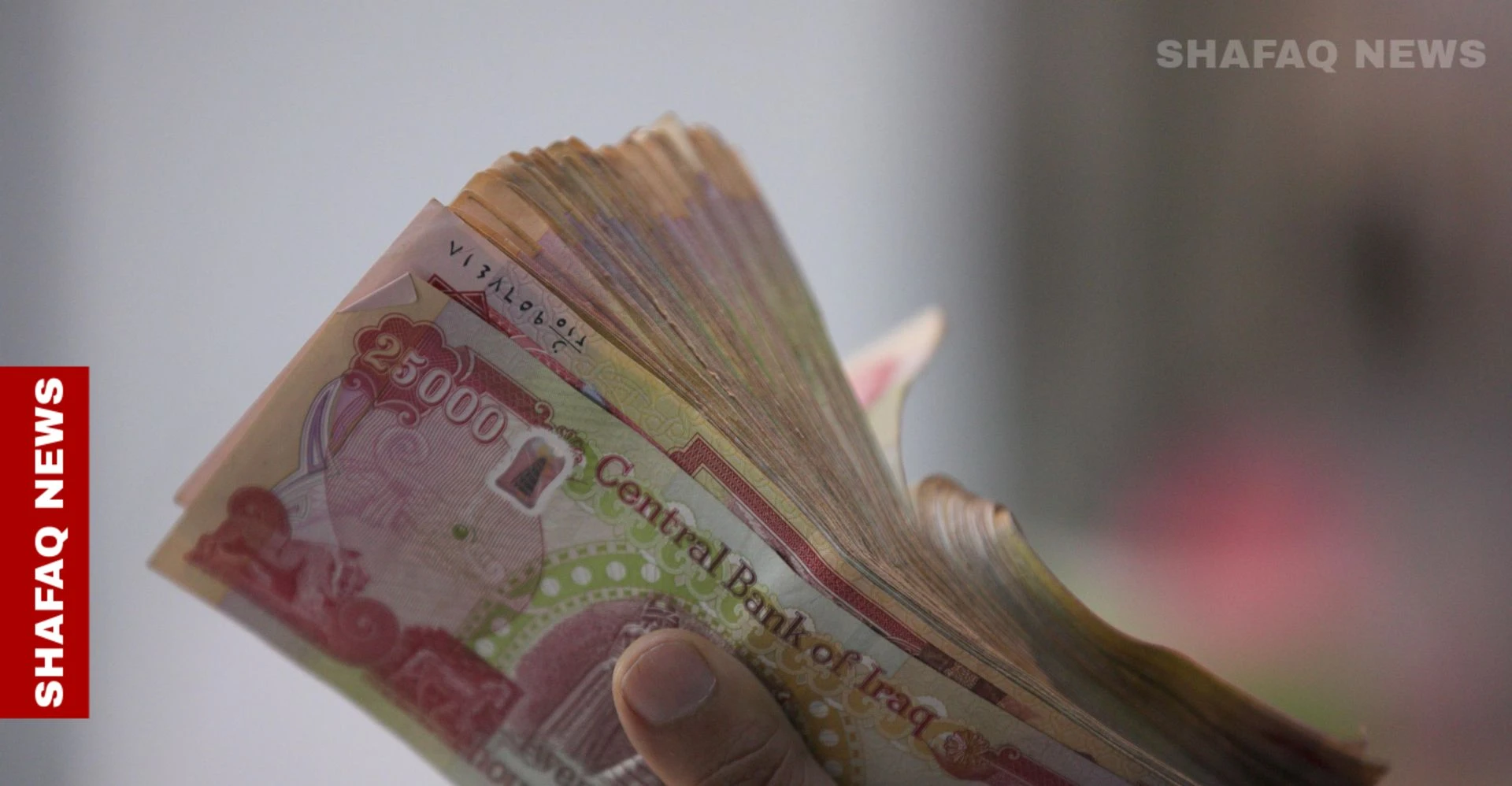 Shafaq News – Baghdad
Iraqi economic researcher Ziad al-Hashemi said on Friday that Iraq has “officially” entered a state of (financial hardship), the government is going through its worst period, and the people are waiting to receive their financial entitlements.
Al-Hashemi explained in a post on the “X” platform, which was followed by Shafaq News Agency, that “it is not surprising that the Iraqi government finally admits the shortage of liquidity in its treasury, after many months of stubbornness, denial and obstinacy, and after the continuous deterioration in revenues forced it to admit the bitter truth to the people.”
He noted that “what is truly surprising is that there were those who were reassured that everything was going well, and that there was nothing to worry about, as long as Iraq had dollar reserves that allowed it to pay salaries normally.”
The economist pointed out that “it is Iraq’s misfortune that its oil revenues are considered ‘drained revenues’ even before they reach the government treasury. The corrupt are waiting for their share, the party’s economic offices are waiting for their share, the armed groups are waiting for their share, the creditors are waiting for their share, and the ghost employees are waiting for their share, so that the real Iraqi employee comes last on the list.”
He added that “in such a lax and undisciplined financial model, the problem is not just the drop in oil prices or the decline in exports, but governments that have spent recklessly for years as if revenues would remain high forever.”
The expert diagnosed the current situation as follows: “Iraq does not suffer from a lack of resources, but rather from their mismanagement. Unless the government begins to reduce waste, control the payroll, stop fictitious employment, suppress corruption and recover looted funds, dismantle economic offices, and develop non-oil revenues, every new rise in oil prices will be nothing more than a temporary respite before another, more severe financial crisis.”
Al-Hashemi concluded that “the truth that must be stated clearly is that a state that is unable to protect its revenues and regulate its spending will not be saved by reserves forever, and the employee and the citizen will not be able to continue paying the price of corruption and mismanagement indefinitely.”
This economic analysis comes in conjunction with the admission by Iraqi Health Minister Abdul Hussein Al-Moussawi on Thursday that the government is facing a liquidity crisis that has made securing salaries its priority, while he confirmed that the General Company for Marketing Drugs and Medical Supplies (Kimadia) has received only 15% of its budget, which has led to its bankruptcy, the disruption of new contracts, and the threat to drug supplies.
Following the statements of the Minister of Health, the Minister of Finance, Faleh Al-Sari, made another shocking statement in which he confirmed the existence of a real financial deficit that hinders the completion of the disbursement of salaries for employees, retirees and social welfare beneficiaries, noting that the total monthly obligations for salaries amount to about 7 trillion and 800 billion dinars.
Iraqi government spokesman Haider al-Aboudi confirmed that Iraq is facing “severe” financial challenges, noting that the government needs about 10.8 trillion dinars monthly to cover employee salaries and public expenses, while the country’s oil revenues do not exceed 2.5 trillion dinars.
Al-Aboudi acknowledged in a televised statement that this financial crisis has directly affected the salary distribution schedule, leading to delays and irregularities in payment compared to previous months, stressing that this situation will continue until the government is able to cover the existing financial deficit.
He pointed out that “the Ministry of Finance is currently focusing on local solutions, including selling treasury bonds and relying on domestic loans, in order to avoid Iraq resorting to external borrowing, which could burden the state with international obligations.”
shafaq.com
