Washington’s approach to the al-Zaydi government: a “test period” for the security file and anticipation of energy and electricity deals.
Washington’s approach to the al-Zaydi government: a “test period” for the security file and anticipation of energy and electricity deals.
2026-06-19
 Shafaq News – Washington/ Mustafa Hashim
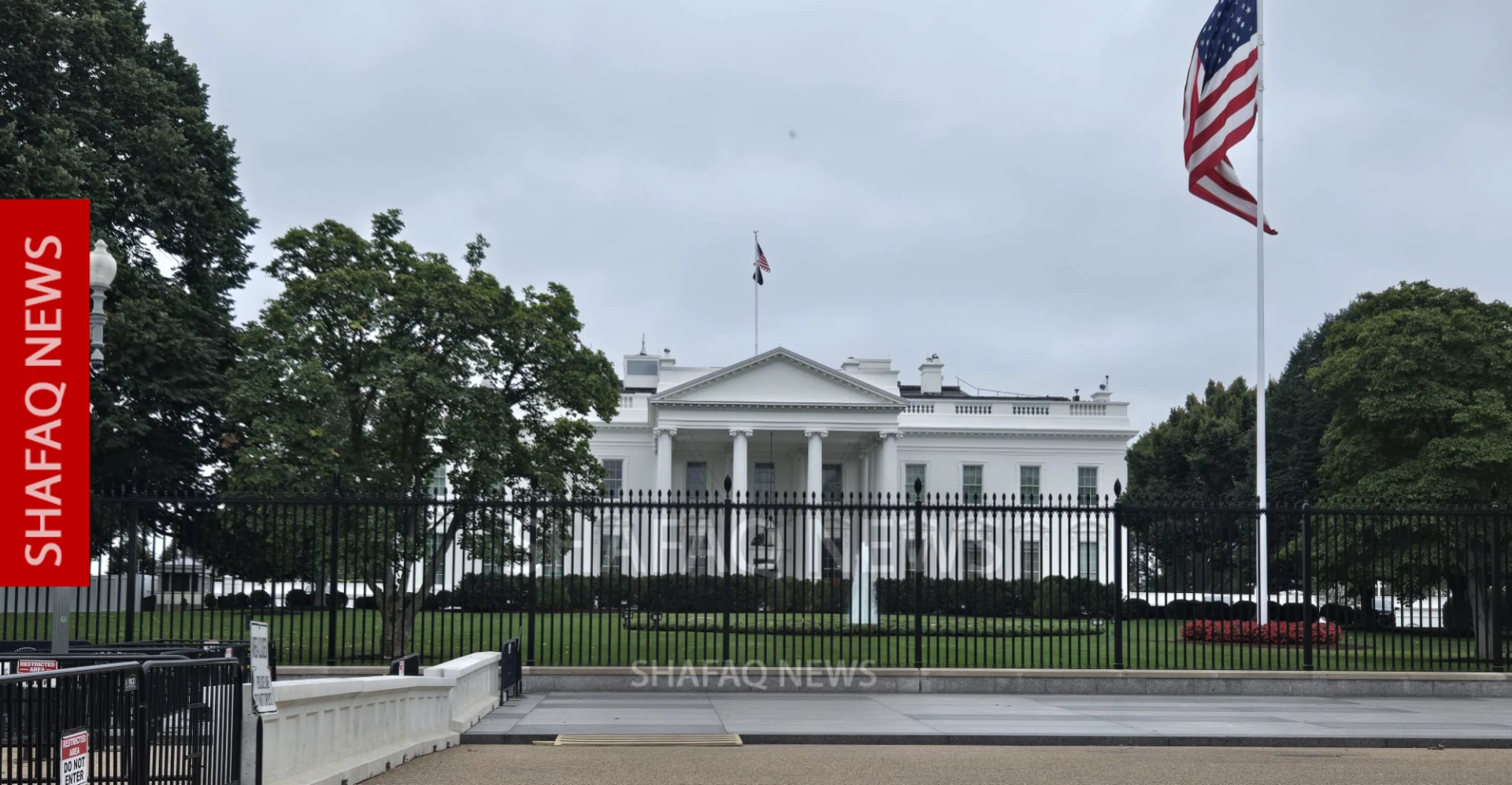
Attention in the US capital, Washington, is focused on formulating a new political approach towards the Iraqi government headed by Ali al-Zaidi, amid arrangements being made for an anticipated official visit he will make to the White House in mid-July to discuss security, investment, and regional stability.
“Compromise candidate” under American scrutiny
In this regard, former US diplomat and senior fellow at the National Council on US-Arab Relations, Professor William, stated that political circles in Washington view al-Zaidi with “cautious optimism” as he represents a “compromise candidate” who has gained acceptance from the Iraqi parties, and possesses an economic background and adopts a pragmatic approach that aligns with the style of President Donald Trump’s administration.
William pointed out that Washington is currently following a policy of “wait and see,” and intends to give him a few months to test his political behavior on the ground. He explained that the current American approach is similar in philosophy to its approach to Ahmed al-Sharaa in Syria, which is based on giving a “test period” to monitor the ability to impose regional stability related to the new regional deals, despite the radical difference between the circumstances and the two personalities.
President Nizar Amidi had tasked Al-Zidi with forming the government on April 27, based on a nomination from the Coordination Framework. Despite the ministerial program gaining confidence, the cabinet remains incomplete due to political disagreements and Washington’s “veto” regarding the inclusion of forces and elements close to armed factions in security and sensitive positions.
Trump’s priorities: Business deals first
Regarding the hierarchy of priorities in the White House, George Washington University political management professor Todd Bilt offered an analysis focusing on the philosophy of the current American leadership, arguing that Donald Trump is primarily interested in business and trade deals, and is keen to conclude new energy deals with Baghdad.
Bilt believes that de-escalation and disarmament of factions are complementary steps to securing economic partnerships, as Washington seeks to provide a stable environment that ensures the success of major investments.
This vision intersects with the economic analysis of Professor William, who pointed out that al-Zaidi’s own priorities are directed towards reviving the economy and operating vital projects, most notably the oil pipeline project extending to the Jordanian port of Aqaba, a file that Baghdad hopes will receive American support and facilitation, taking advantage of the atmosphere of regional calm and the indications of the end of the recent war with Iran.
A security warning and a real test of the state’s fragility
In contrast, research circles in Washington believe that the challenges facing Baghdad are deeper than mere political optimism. Middle East affairs researcher Heba Abdel Wahab confirmed that the US administration is actually viewing al-Zaidi’s government “very cautiously,” coinciding with an attempt to bring about a new shift in the way of dealing with Baghdad following the recent confrontation between Iran and Israel, and what it revealed about the fragility of the Iraqi state’s ability to restrain the factions.
Abdul Wahab explained to Shafaq News that the “factions file” represents the most prominent security obstacle, adding: “The issue is not only related to the existence of these factions as armed forces, but also to the political, economic and institutional networks that they have built within the state over the years, which makes dealing with them more complicated than simply dissolving or integrating the formations.”
Al-Zaidi’s economic agenda and the background of the visit
Prime Minister Ali al-Zaidi had previously announced the intention to include businessmen in the visit to expand mutual investment opportunities through the $10 billion private sector development fund, stressing the adoption of an open-door policy towards proposals submitted by businessmen.
These developments coincide with what an informed source recently revealed to the agency regarding the portfolio of files that al-Zaidi carries, foremost among them the mechanisms for withdrawing American forces after the expiration of the specified periods of their presence, in addition to the strategic proposal for the establishment of an Iraqi financial fund in the United States, financed by the revenues of Iraqi oil exported to the American market, to be allocated to support development projects, infrastructure development and strengthening the electricity sector in the country.
shafaq.com
