The future of the Iraqi economy in 2026: decisive reforms or a postponed crisis?
The future of the Iraqi economy in 2026: decisive reforms or a postponed crisis?
11-27-2025
 Researcher Shatha Khalil
Iraq enters 2026 at a critical economic crossroads. Despite continued oil revenues and ongoing reconstruction projects, the economic structure still suffers from deep structural imbalances that threaten long-term stability. Analyzing these challenges helps explain why 2026 will be a pivotal year for growth, financial stability, and the future livelihoods of its citizens.
Heavy Reliance on Oil Revenues:
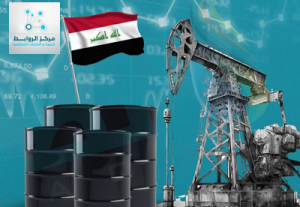
Oil remains the backbone of the Iraqi economy, accounting for more than 90 percent of state revenues. In 2025, oil prices fluctuated due to geopolitical tensions, production cuts within the OPEC+ alliance, and a slowdown in global demand. This highlights the fragility of the Iraqi economy, where national income rises or falls based on external factors beyond Iraq’s control.
In 2026, slow growth in global oil demand is expected, with prices remaining stable without significant increases. This means that Iraq cannot rely on sudden revenue surges, necessitating a review of public spending, deficit reduction, and accelerated economic diversification towards agriculture, industry, and renewable energy.
Currency stability and banking sector reform
have been key priorities since the tightening of international financial compliance rules during 2023–2025, which reduced dollar inflows and exposed the fragility of the banking sector. In 2025, the Central Bank strengthened its digital oversight, developed Know Your Customer (KYC) procedures, and began modernizing banking systems.
Monetary stability is expected to improve in 2026 as the shift toward digital payments continues and Iraqi banks become more widely integrated into global financial systems. However, significant challenges remain, as attracting foreign investment is impossible without increasing public confidence in banks and reducing reliance on cash transactions.
3. Private Sector Challenges
: The private sector suffers from unfair competition from the large public sector, which employs millions but delivers limited productivity. In 2026, Iraq will need to improve its business environment, streamline regulations, reduce bureaucracy, and offer tax incentives to attract investors.
Youth unemployment also remains a serious problem, as more than half of Iraq’s population is under 25, making job creation and support for entrepreneurship a socio-economic imperative.
Foreign investment and reconstruction
have seen a significant expansion in reconstruction projects in areas such as Baghdad, Basra, Nineveh, and Anbar. Economic partnerships with Gulf countries have also developed, particularly in the energy, gas, renewable energy, and logistics sectors.
Key opportunities expected in 2026 include:
developing gas fields and reducing reliance on imports
; expanding solar energy projects
; developing trade routes to Jordan, Saudi Arabia, and Turkey
; and housing and urban development projects.
However, corruption and administrative delays continue to limit investor confidence. If reforms succeed, Iraq could attract billions more in the next two years.
Water scarcity and agricultural decline:
Iraq faces a worsening water crisis due to declining levels of the Tigris and Euphrates rivers, directly impacting food production. The crisis stems from climate change, reduced rainfall, and dams in neighboring countries.
By 2026, it will be essential to:
modernize irrigation systems
, diversify crops
, adopt water-saving technologies
, and strengthen negotiations on transboundary water rights
. Neglect will lead to higher food prices, rural migration, and increased poverty in agricultural provinces.
6. Outlook for 2026: A year of economic transition
. The outlook for the Iraqi economy in 2026 appears moderate. Oil revenues will remain stable, while banking reforms will continue gradually. Reconstruction projects and Gulf partnerships will provide a significant boost, but political instability and bureaucratic delays could hinder progress.
Possible outlook for 2026:
• Economic growth between 2.5 and 3.2 percent
• Moderate inflation with stable exchange rate
• Steady oil production within OPEC+ agreements
• Gradual increase in foreign investment
• Unemployment will remain at high levels unless the private sector is stimulated.
Iraq has the potential to build a diversified, modern, and more resilient economy, but achieving this vision in 2026 requires political commitment, strong institutions, and ongoing reforms.
Economic Studies Unit / North America Office
rawabetcenter.com
