Oil expert: US “No Iranian Energy” law will put Iraq in a serious crisis
Oil expert: US “No Iranian Energy” law will put Iraq in a serious crisis
2025-08-07 01:03
 Shafaq News – Basra
Iraq faces serious energy challenges amid mounting US pressure and accusations of widespread smuggling, including of Qayyarah oil and black oil via seaports. This could directly impact the country’s energy stability and threaten its regional and international relations.
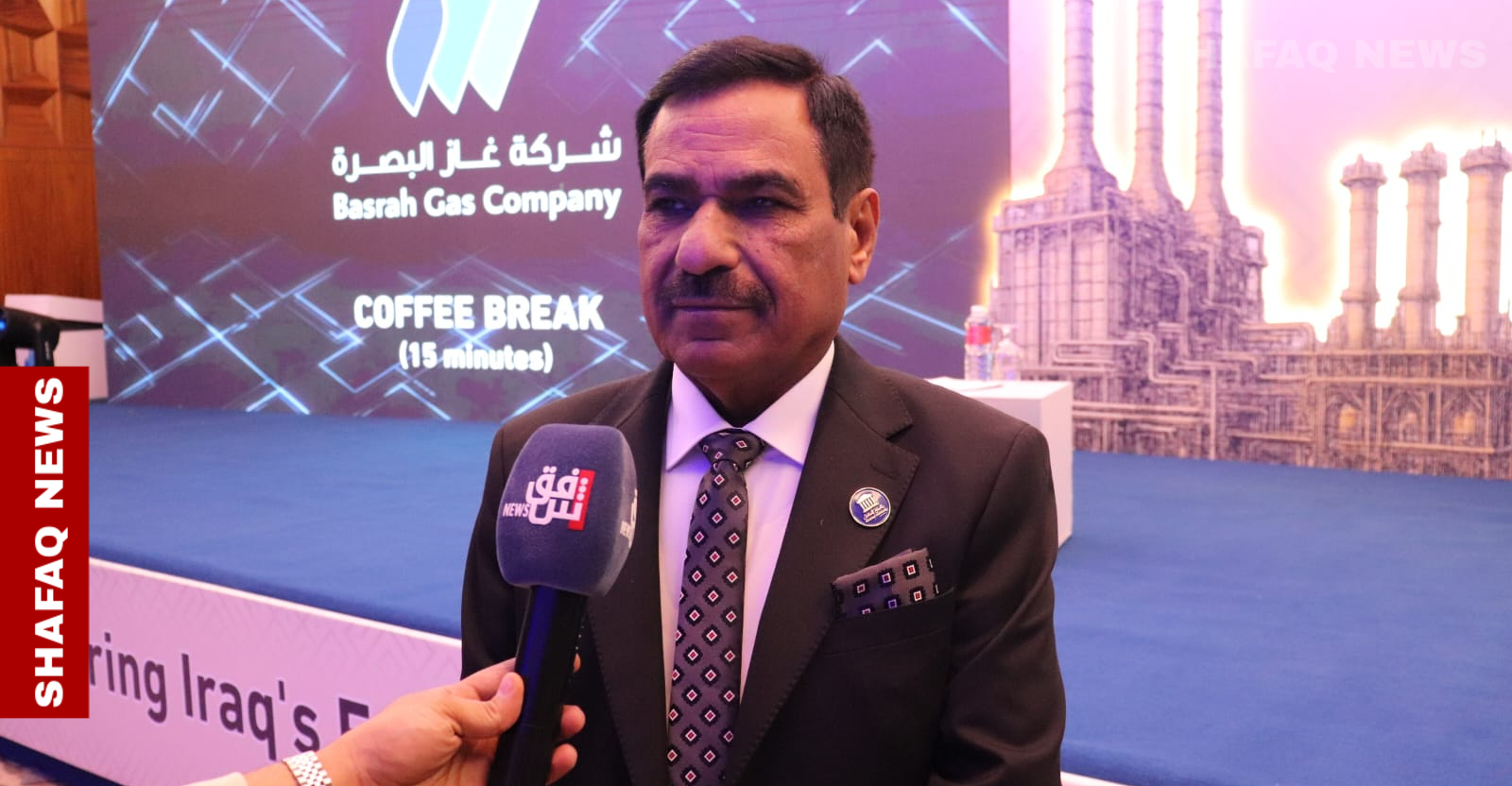
Oil expert Nabil Al-Marsoumi told Shafaq News Agency, “Iraq is under significant pressure as a result of a new US bill submitted to Congress known as ‘No Iranian Energy’. The bill directly aims to prevent the import of gas and electricity from Iran, which means an official targeting of Iraq, which relies primarily on these imports to meet its energy needs.”
He added, “Passing and approving this law will cause a real crisis in the Iraqi electricity sector, as it will lead to a 40% decrease in available energy, which threatens to have serious repercussions during peak periods and high temperatures, and will present Iraq with limited and difficult options.”
Al-Marsoumi explained that “the US Treasury Department accuses Iraq of smuggling oil by mixing its oil with Iranian oil, particularly in the Qayyarah oil field, which produces 30,000 barrels per day, while domestic consumption does not exceed 3,000 barrels. Approximately 27,000 barrels remain the subject of smuggling accusations. This is a heavy sour oil with a sulfur content of up to 8% and a very low density of 11%, which makes it undesirable in global markets and is mixed with Iranian oil to circumvent sanctions.”
He explained that “Belt 41 at Khor al-Zubair Port plays a pivotal role in these operations, both in relation to the smuggling of crude oil and black oil. The latter has been officially acknowledged by the State Oil Marketing Organization (SOMO) to be subject to leaks, particularly through the ports of Umm Qasr and Khor al-Zubair, which raises suspicions about the existence of organized smuggling networks.”
He explained that “a Liberian-flagged oil tanker was recently seized with 250,000 tons on board, a dangerous indicator of the scale of black oil smuggling operations. Some estimates indicate that 50,000 barrels are being smuggled daily, which may be exported abroad or sent to some Gulf refineries, specifically the Ruwais refinery in the UAE, which re-refines black oil into white derivatives.”
Al-Marsoumi explained that, “As of August 1, SOMO has relinquished its role in shipping oil from the fields to Khor al-Zubair. This role has become the responsibility of oil companies. SOMO’s work is now limited to selling oil only, in a move by the government aimed at distancing itself from the loading and unloading issue, which has long sparked controversy and accusations.”
It’s worth noting that the American website Oil Price revealed on Wednesday that Iraq has officially entered the targeted category within the escalating US sanctions strategy against Iran, through a new bill submitted to Congress aimed at banning its imports of Iranian gas and electricity, which constitute approximately 40% of its energy needs.
The website stated in a report translated by Shafaq News Agency that “the long-term sanctions imposed directly on Iran have recently expanded to include Iraq,” referring to “the (No Iranian Energy) bill that was submitted to the US Congress last April.”
The report explained that “Republican Study Committee Chairman Rep. August Pfluger viewed this legislation as part of US President Donald Trump’s maximum pressure campaign against the Iranian regime,” noting that “the leaders of the Iranian regime are not just a threat, but represent a genocidal cult.”
According to the report, “The proposed law would ban Iraq’s import of Iranian natural gas, which has for years been a mainstay of the domestic energy sector. Gas and electricity imports from Iran accounted for approximately 40% of Iraq’s total energy needs.”
shafaq.com
