Kurdistan’s oil exports to Turkey’s Ceyhan remain stable at 190,000 barrels per day.
Kurdistan’s oil exports to Turkey’s Ceyhan remain stable at 190,000 barrels per day.
2025-12-06 03:28
 Shafaq News – Erbil/Baghdad/Kirkuk
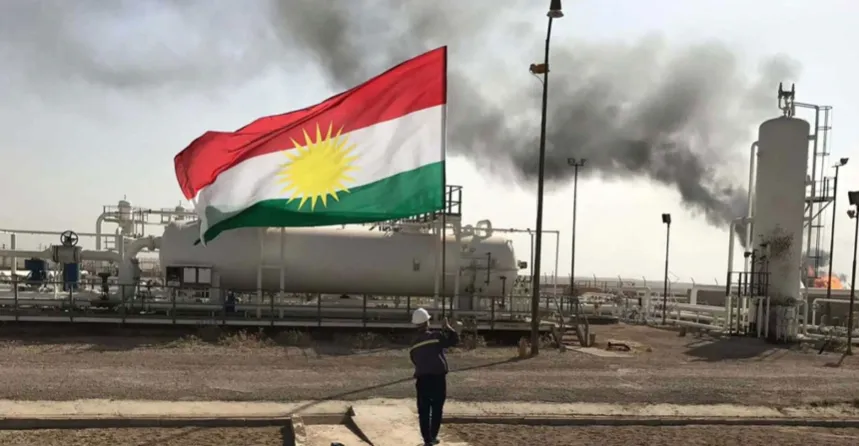
Kurdistan Region oil exports via the Ceyhan Turkish port pipeline remain steady at 190,000 barrels per day.
A source in the North Oil Company in Kirkuk Governorate told Shafaq News Agency that “the continued export of this quantity is a clear indication of the stability of operational processes and the improvement of pumping capabilities. The increase is expected to be achieved gradually as soon as all the necessary technical work and logistical maintenance are completed to ensure the continuity of pumping without interruption.”
Oil exports from the Kurdistan Region had been halted for more than two years as a result of legal disputes between the federal government and Erbil, as well as damage to infrastructure caused by previous shutdowns affecting pipelines and operational facilities.
The stabilization of current export operations is an important step towards the region’s return to normalcy in the oil sector, which will enhance the financial resources of both Kurdistan and the federal government.
In this context, oil expert Ali Khalil told Shafaq News Agency that “achieving an export level of 190,000 barrels per day represents significant progress in restoring oil activity in the region, but the most important thing is to ensure the sustainability of exports, given its direct impact on boosting revenues and improving the financial situation of the region and the state.”
He added that “the challenges are not limited to pumping oil, but also include ensuring the quality of logistics services and transporting crude oil according to international standards, and strict adherence to Iraqi and international laws, which creates a stable environment for the oil sector in the long term.”
Despite this improvement, the most prominent challenge remains ensuring that pipelines and operational facilities remain in a stable condition to avoid any sudden shutdowns, in addition to the need to address the issue of financial rights between the region and the federal government to avoid future disputes, while strengthening supply chains and logistics to ensure that oil reaches ports with high efficiency.
Expert Ali Khalil stressed the importance of enhancing transparency in oil contracts, ensuring clear payment mechanisms for companies, along with regular maintenance and continuous technical follow-up, in addition to marketing oil internationally more effectively to attract investors and enhance the added value of exports.
Observers confirm that the coming months will be crucial in determining the region’s and the country’s ability to stabilize this path and transform it into long-term stability, ensuring the sustainability of revenues and the development of the energy sector in a way that keeps pace with economic and political changes.
shafaq.com
