In lost time, “Al-Ettihad” tries again with Al-Sadr, and the latter is “difficult to predict.”
In lost time, “Al-Ettihad” tries again with Al-Sadr, and the latter is “difficult to predict.”
2025-09-28 04:49
 Shafaq News – Baghdad
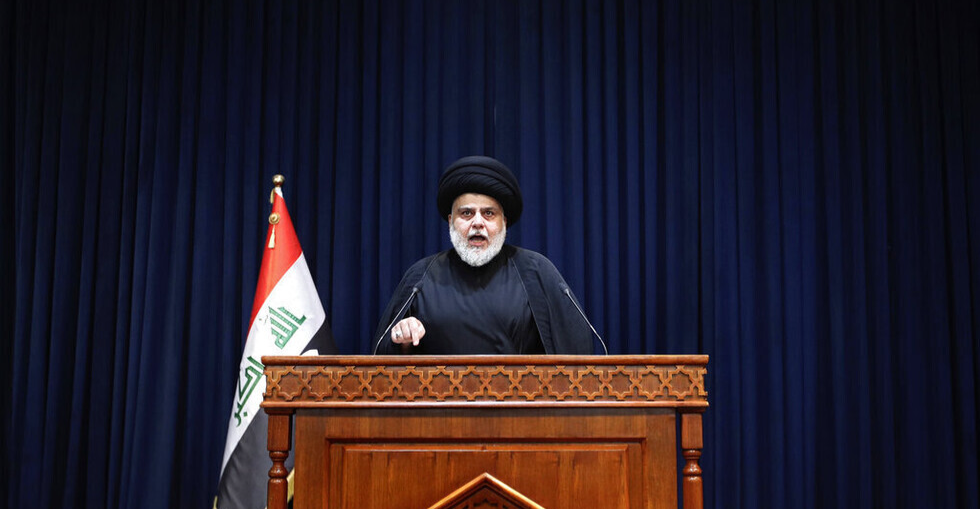
Informed sources revealed on Sunday that the Coordination Framework is working to open new channels of communication, using religious mediation from outside Iraq, with the leader of the Shiite National Movement, Muqtada al-Sadr, to persuade him to reverse his decision to boycott the elections. However, a source close to al-Sadr confirmed that the decision is “exclusively in al-Sadr’s hands” and is difficult to predict.
The sources told Shafaq News Agency, “Some forces within the Coordination Framework have begun their renewed mobilization in a final attempt before the elections to woo al-Sadr, persuade him to end the boycott, and instruct his followers to participate in the upcoming elections.”
She added that “these attempts came after information emerged regarding the possibility that Sadr’s followers might vote for a candidate outside the Coordination Framework,” indicating that “leaders and clerics from outside Iraq were enlisted to influence Sadr and persuade him to reverse his decision.”
She noted that “the framework forces are divided between those who support the move against al-Sadr and those who reject it, but the majority agreed to make this attempt.”
In March, al-Sadr announced his non-participation in the upcoming elections, citing “corruption and corrupt people,” while stating that Iraq was “experiencing its last gasps.”
Last week, Saleh Mohammed al-Iraqi, a close associate of Shiite National Movement leader Muqtada al-Sadr, revealed that al-Sadr was demanding comprehensive reform and the replacement of senior officials in power in exchange for ending his boycott of the upcoming parliamentary elections scheduled for November.
In June 2022, al-Sadr decided to withdraw from the political process in Iraq and not participate in any upcoming elections, so as not to associate himself with “corrupt” politicians. This followed his call for the resignation of all 73 of his members of parliament .
In contrast, an official in the Shiite National Movement confirmed to Shafaq News Agency that “Al-Sadr’s decision to boycott the elections is final, and its doors are still closed and will remain so.”
He added, “The matter remains solely dependent on al-Sadr’s decision, and no one can predict it. However, the rumors about the possibility that al-Sadr’s followers will give their votes to candidates outside the Coordination Framework are false and merely reflect personal analysis and interpretation.”
The Sadrist bloc won the highest number of votes in the early parliamentary elections held in October 2021, but the movement’s leader’s efforts to form a new federal government failed due to the Shiite Coordination Framework’s opposition to the bloc’s formation. The bloc obtained a fatwa from the Federal Court, using the so-called blocking third, to prevent the session to elect a president, paving the way for the appointment of a prime minister .
The tripartite alliance between the Kurdistan Democratic Party, led by Masoud Barzani, the Sovereignty Alliance, led by Khamis al-Khanjar, and the Sadrist movement, led by Muqtada al-Sadr, has unraveled following the resignation of Sadrist bloc representatives and the movement’s withdrawal from the political process at al-Sadr’s behest .
The political scene was at a critical juncture and dead end, unprecedented in Iraq’s history, as the government was formed a full year after the country’s early elections .
On October 10, 2021, Iraq held early parliamentary elections to resolve a political crisis that had gripped the country following massive demonstrations in central and southern regions in 2019. Protesters protested rampant unemployment, widespread financial and administrative corruption in government departments and institutions, and deteriorating services and living conditions. This prompted former Prime Minister Adel Abdul Mahdi to resign under popular pressure .
As soon as the preliminary election results were announced, voices rose from influential political forces and parties, rejecting the loss of numerous seats and accusing them of widespread voter fraud. This was denied by the executive and judicial authorities, while the United Nations and international organizations praised the integrity of the electoral process .
Sadr continues to insist on boycotting the upcoming parliamentary elections, despite persistent political attempts to dissuade him from the decision. He also stipulates, according to previous statements and positions, the dissolution of all armed factions, including Saraya al-Salam, the surrender of weapons to the state, and the fight against corruption as conditions for any potential return to the political process. This comes amid warnings of low turnout if the movement’s boycott continues.
shafaq.com
