How will the Iraqi economy be affected by the Iran-Israel war? Al-Sudani’s advisor answers.
How will the Iraqi economy be affected by the Iran-Israel war? Al-Sudani’s advisor answers.
2025-06-21 04:20
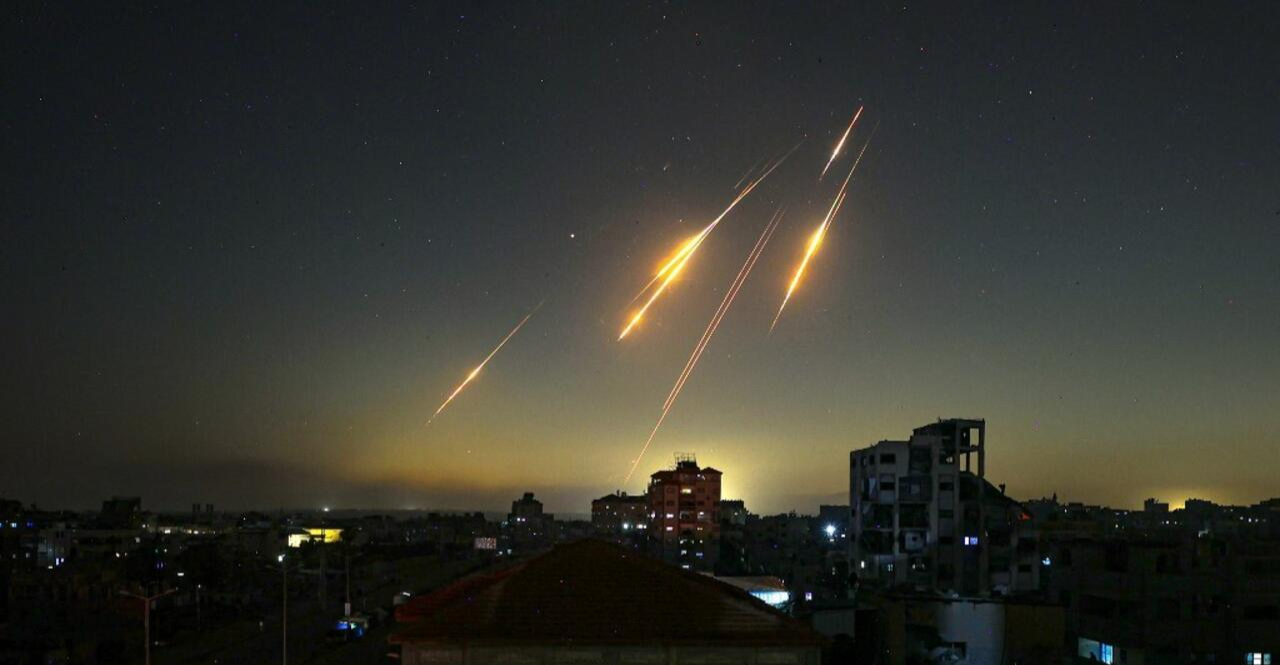 Shafaq News/ The financial and economic advisor to the Prime Minister, Mazhar Mohammed Salih, revealed on Saturday the impact of the war between Iran and Israel on the Iraqi economy.
“Iraq is currently on a sensitive geopolitical and economic frontier, and any further slide into the (Iranian-Israeli) conflict will put it in danger,” Saleh told Shafaq News Agency. “Despite that, the ongoing war has had an impact that has led to a positive oil shock represented by the rise in oil prices, which have returned to the levels of the beginning of the year, with an increase of more than $10 per barrel currently.”
The government advisor added, “The oil asset cycle witnessed a decline in global energy markets prior to the outbreak of the current war between Iran and Israel, due to the preceding trade war between the United States and China, which had a global impact on global production and value chains. This means that the country will suffer significant financial repercussions if the war remains limited and does not expand.”
Saleh continued, saying, “The energy sector has emerged as the most dangerous sector to impact in light of global crises, as it is at the forefront of global crises. This is also reflected in current events and the impact of oil prices on the markets, as oil is a strategic commodity. However, despite this, there is a negative external economic shock that has affected the transportation and shipping sector in general, and maritime in particular, in the Gulf region and the Middle East.”
The financial and economic advisor concluded by emphasizing: “As this shock leads to increased transportation and insurance costs, this will negatively impact prices and overall logistics across value chains. This is a worrying development, requiring a review of delivery methods, storage, and food security. Furthermore, the ongoing conflict and the risks of tension and war are likely to exacerbate the climate of financial caution among investors.”
It’s worth noting that officials and aviation sources indicated yesterday that Iraq is losing millions of dollars daily due to the complete closure of its airspace, in addition to the significant losses suffered by local airlines and airports.
Before the closure, Iraq recorded approximately 700 flights crossing daily, including passenger and cargo flights. Transit fees for each aircraft are approximately $450, rising to $700 for cargo aircraft, according to navigation data reviewed by Shafaq News Agency.
Separately, Iraqi Foreign Minister Fuad Hussein warned on Friday that global markets could lose 5 million barrels of oil per day due to the Iranian closure of the Strait of Hormuz due to Israeli bombing.
The Middle East is witnessing a dangerous military escalation, with Iran and Israel exchanging missile and drone attacks since dawn on Friday, June 13, 2025, and continuing until today.
Despite repeated calls from the international community to halt the war between the two sides, missile strikes continue. Separately, Iraqi Foreign Minister Fuad Hussein warned on Friday that global markets could lose 5 million barrels of oil per day if Iran closes the Strait of Hormuz due to Israeli shelling.
The Middle East is witnessing a dangerous military escalation, with Iran and Israel exchanging missile and drone attacks since dawn on Friday, June 13, 2025, and continuing until today.
Despite repeated calls from the international community to halt the war between the two sides, the missile strikes continue.
shafaq.com
