Hebrew report: Kurdistan Region moves to strengthen cooperation with the US and achieve balance with Türkiye and Iran.
Hebrew report: Kurdistan Region moves to strengthen cooperation with the US and achieve balance with Türkiye and Iran.
2025-05-21 05:15
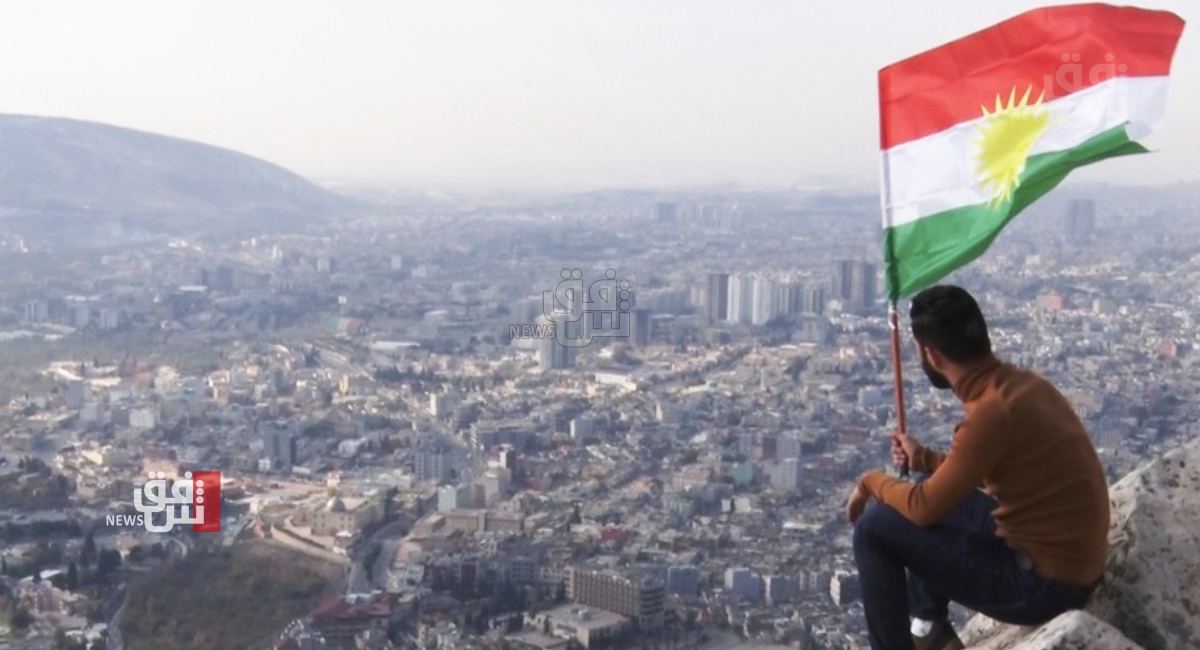 Shafaq News/ The Israeli newspaper “Jerusalem Post” reported in a report published on Wednesday that the Kurdistan Region of Iraq seeks to strengthen cooperation with the United States and achieve balance in its foreign relations with Iran and Turkey .
The report, translated by Shafaq News Agency, stated that “the Kurdistan Region hopes to pave the way for closer cooperation with the United States and the Trump administration,” noting that “the region enjoys historical and warm relations with the United States .”
The report explained that “the Kurdistan Region has enjoyed support from the United States since the 1990s and after the 2003 invasion of Iraq, and also received American support during the war against ISIS,” adding that “the region has suffered setbacks, such as the federal government in Baghdad’s control of Kirkuk in 2017 following the independence referendum .”
He pointed out that “the regional government faces additional challenges, as it is forced to balance its relations with Iran and Turkey,” noting that “Tehran opposes the presence of opposition groups on northern Iraqi soil, particularly Iranian Kurdish groups that fled to Iraq and are opposed to the Iranian regime .”
The report noted that “Turkey is establishing military bases, which it is using to fight the Kurdistan Workers’ Party (PKK), which recently announced it will dissolve itself. However, Ankara remains skeptical of this move. Therefore, the Kurds find themselves between a rock and a hard place, as they live at the crossroads of civilizations, each of which poses challenges to their independence.” It explained that “the Iraqi government is trying to undermine energy deals and consolidate its federal authority at the expense of the Kurdistan Region .”
He explained that “Masrour Barzani is currently visiting Washington, while the President of the Kurdistan Region, Nechirvan Barzani, visited Tehran for talks, and Deputy Prime Minister Qubad Talabani held talks on Turkish-Kurdish relations during the Sulaymaniyah Forum .”
The report quoted Masrour Barzani’s post on Twitter, in which he said, “We are building on the already strong relationship between Kurdistan and the United States, based on economic prosperity and shared values.” He also expressed his gratitude to “President Trump, the US government, this administration, and the American people for their continued support of our people and the Peshmerga who fought alongside Americans against terrorism .”
He added, “I strongly believe in President Trump’s policy of achieving peace, stability, and economic development,” noting that “our goal in this visit is to seek American support to achieve these goals in our region .”
After referring to Masrour Barzani’s meeting with US Congressman Abraham Hamadeh, who is of Kurdish origin, the report stated that “the region signed energy agreements with American companies during his visit.” The National, an English-language newspaper published in Abu Dhabi, reported that the region unilaterally signed two agreements with American companies to develop natural gas resources, which angered Baghdad, which is trying to impose its control over the region’s oil and gas sector, describing these agreements as “invalid .”
He considered that “the stakes in the Kurdistan Region are high, at a time when the Iraqi government’s regional policy is not clear, and it is suffering from the influence of Iranian-backed militias that enjoy wide influence in Iraq.” He expected that “the Kurdistan Regional Government will closely monitor developments in Syria, as in the event of the withdrawal of US forces from Syria, some of them may be temporarily stationed in the Kurdistan Region,” adding that “in the event of Washington’s withdrawal from Syria, the role of the region may change .”
The report stated that “the Kurdistan Region will remain a pro-US island in a region where Washington faces challenges in dealing with Iran and sometimes the Iraqi government,” adding that “the Barzani leadership, whether through the prime ministership or the presidency of the region, is trying to position the region in a strategic future .”
shafaq.com
