Half of it is for salaries… Iraq’s revenues exceed 65 trillion during the first half of 2025.
Half of it is for salaries… Iraq’s revenues exceed 65 trillion during the first half of 2025.
2025-08-13 01:43
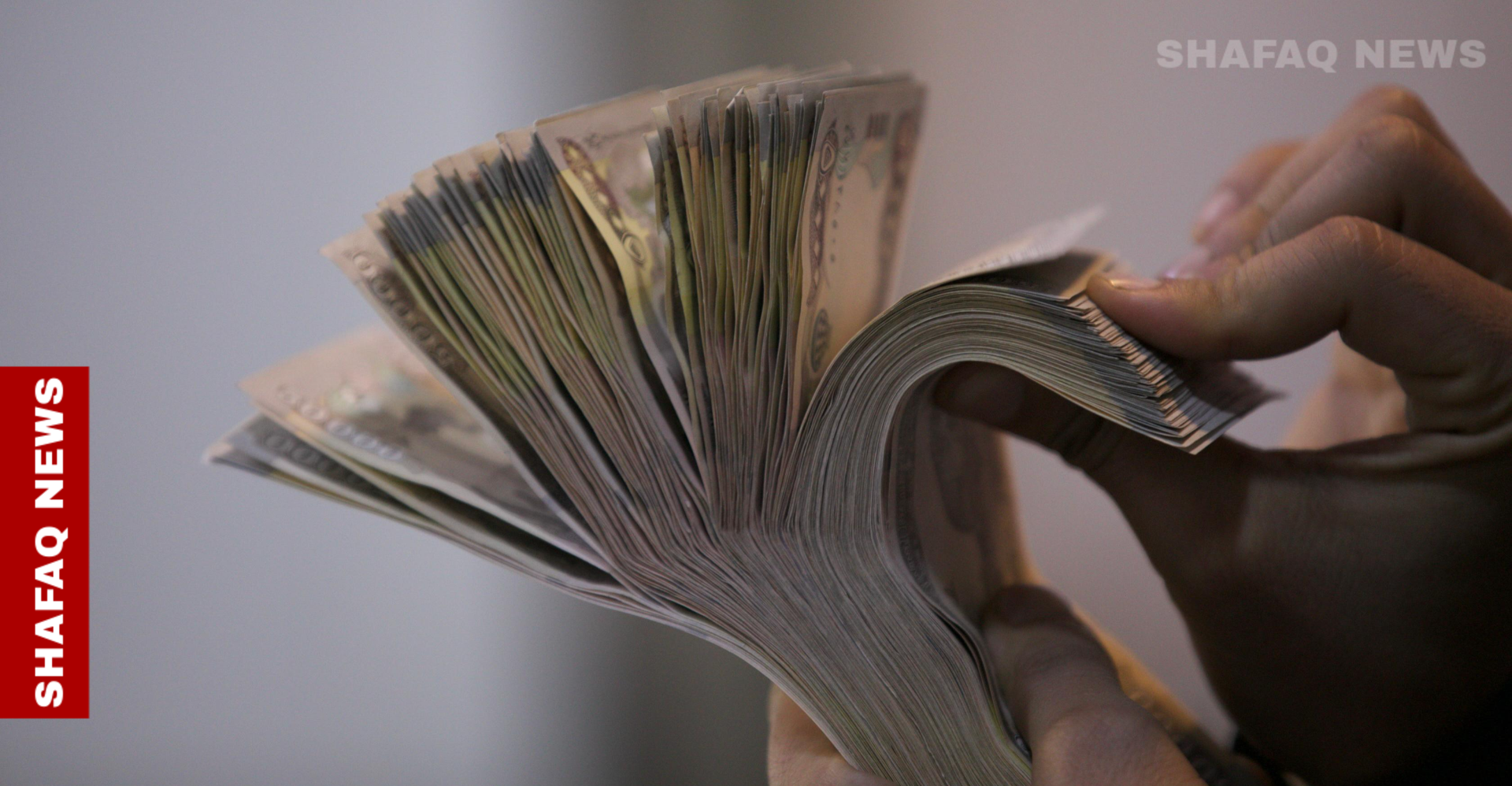 Shafaq News – Baghdad
The Ministry of Finance revealed on Wednesday that Iraq’s federal budget revenues from January to June 2025 exceeded 65 trillion dinars, indicating that oil’s contribution to the budget declined slightly to 89%.
This is according to data and tables issued by the Ministry of Finance in August regarding the fiscal year accounts for the first half of the current year, which showed that, despite the decline in oil’s contribution to the general budget, it remains the primary resource for Iraq’s general budget, reaching 89%. This indicates that the rentier economy is the foundation of the country’s general budget.
The financial tables indicated that the total revenues amounted to 65 trillion, 921 billion, 601 million, 657 thousand, and 850 dinars.
According to the financial tables, oil revenues amounted to 58 trillion, 802 billion, 897 million, and 993 thousand dinars, which constitutes 89% of the general budget, while non-oil revenues amounted to 7 trillion, 118 billion, 703 million, and 664 thousand dinars.
She indicated that the total salaries of employees amounted to 28 trillion, 189 billion, 760 million and 179 thousand dinars, and social welfare salaries amounted to 2 trillion, 244 billion, 228 million and 233 thousand dinars.
According to the budget, total expenditures for current expenses amounted to 47 trillion, 910 billion, 48 million, and 144 thousand dinars.
In March 2021, the Prime Minister’s financial advisor, Mazhar Mohammed Salih, told Shafaq News Agency that the reasons for the economy remaining rentier are due to wars and the economic blockade imposed on Iraq during the past era, as well as the political conflicts we are witnessing today, which have led to the dispersion of economic resources.
The Iraqi state’s continued reliance on oil as the sole source of its public budget places it at risk from the global crises that occur from time to time due to the impact of oil. This forces the country to resort each time to covering the deficit through borrowing from abroad or domestically. This indicates an inability to manage the state’s finances effectively and an inability to find alternative financing solutions.
shafaq.com
