Exclusive: Nine government criteria for filling special-grade positions in Iraq
Exclusive: Nine government criteria for filling special-grade positions in Iraq
2026-07-04
 Shafaq News – Baghdad
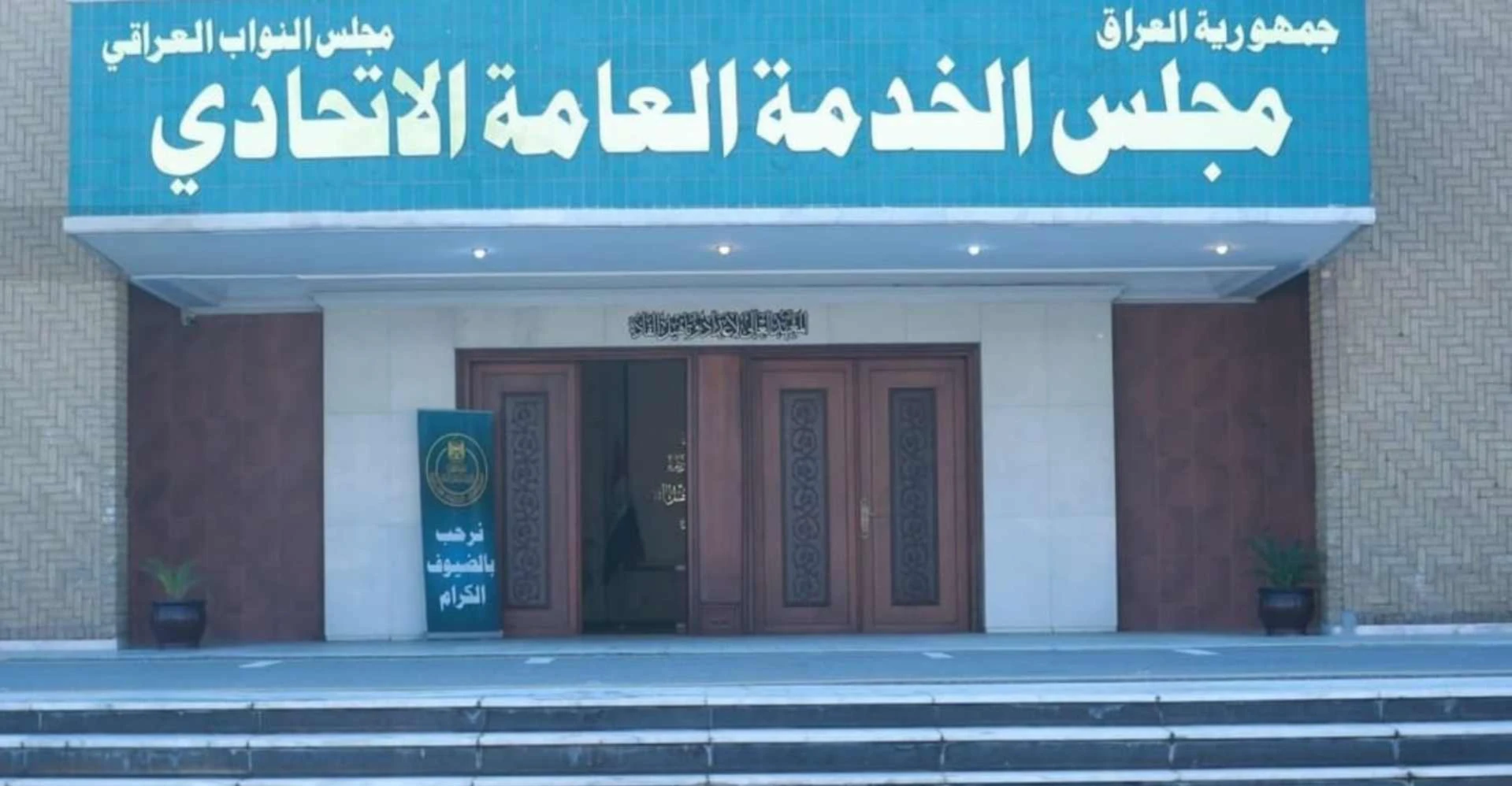
The Federal Public Service Council in Iraq confirmed on Saturday that the government is moving towards adopting “professional and national” standards in selecting those who occupy special grades, in order to enhance the efficiency of state institutions and consolidate the principles of good governance, at a time when the debate is renewed regarding the management of thousands of senior positions by proxy and the mechanisms for filling them.
Council spokesman Fadel al-Gharawi told Shafaq News Agency that the government is “keen to select special grades, away from political quotas, in order to enhance the efficiency of state institutions and enshrine the principles of good governance.”
He explained that the most prominent selection criteria are: professional competence, integrity and good conduct, specialized and administrative experience, academic qualifications appropriate to the nature of the position, ability to lead and make decisions, independence and impartiality in performing duties, efficiency in managing resources and achieving results, having a clear vision for developing the institution, and prioritizing the public interest over any political or personal considerations.
Al-Gharawi added that adopting these standards “reflects the government’s direction towards consolidating the principle of selecting the most competent and capable people to manage state institutions, away from political quotas, and in a way that ensures strengthening citizens’ confidence in government institutions and raising the efficiency of public performance.”
This trend comes amid continued controversy over the special grades file, which is one of the most complex administrative files in Iraq, with a number of senior positions still being run by acting officials for years, amid repeated political and parliamentary calls to end acting appointments and adopt proper appointments according to the standards of competence and merit.
Political figures and activists have called in recent months for a comprehensive review of this file, while media statements have spoken of the existence of more than six thousand special grades, and that a large percentage of them are managed by an acting official, but these figures have not been issued within official government statistics published.
The talk about reforming the mechanism for filling special grades comes at a time when Ali al-Zidi’s government is asserting that administrative reform is part of its efforts to improve institutional performance and combat corruption, in parallel with measures implemented within the framework of what was described in the media as the “Dawn Raid” that took place last Sunday, which included arrest warrants and summonses against officials and dozens of seizures in corruption cases within state institutions.
This coincides with broader discussions about the structure of public spending, as salaries and compensation represent one of the largest areas of government spending, while economists continue to call for restructuring public administration and rationalizing spending, with varying estimates regarding the actual size of the salaries item depending on the items included in its calculation, and whether they include retirees, social protection, self-financing and other allocations.
shafaq.com
