Exclusive: Baghdad restricts Khamenei’s funeral procession, and controversy surrounds Qaani’s entry into Iraq.
Exclusive: Baghdad restricts Khamenei’s funeral procession, and controversy surrounds Qaani’s entry into Iraq.
2026-07-05
 Shafaq News – Baghdad
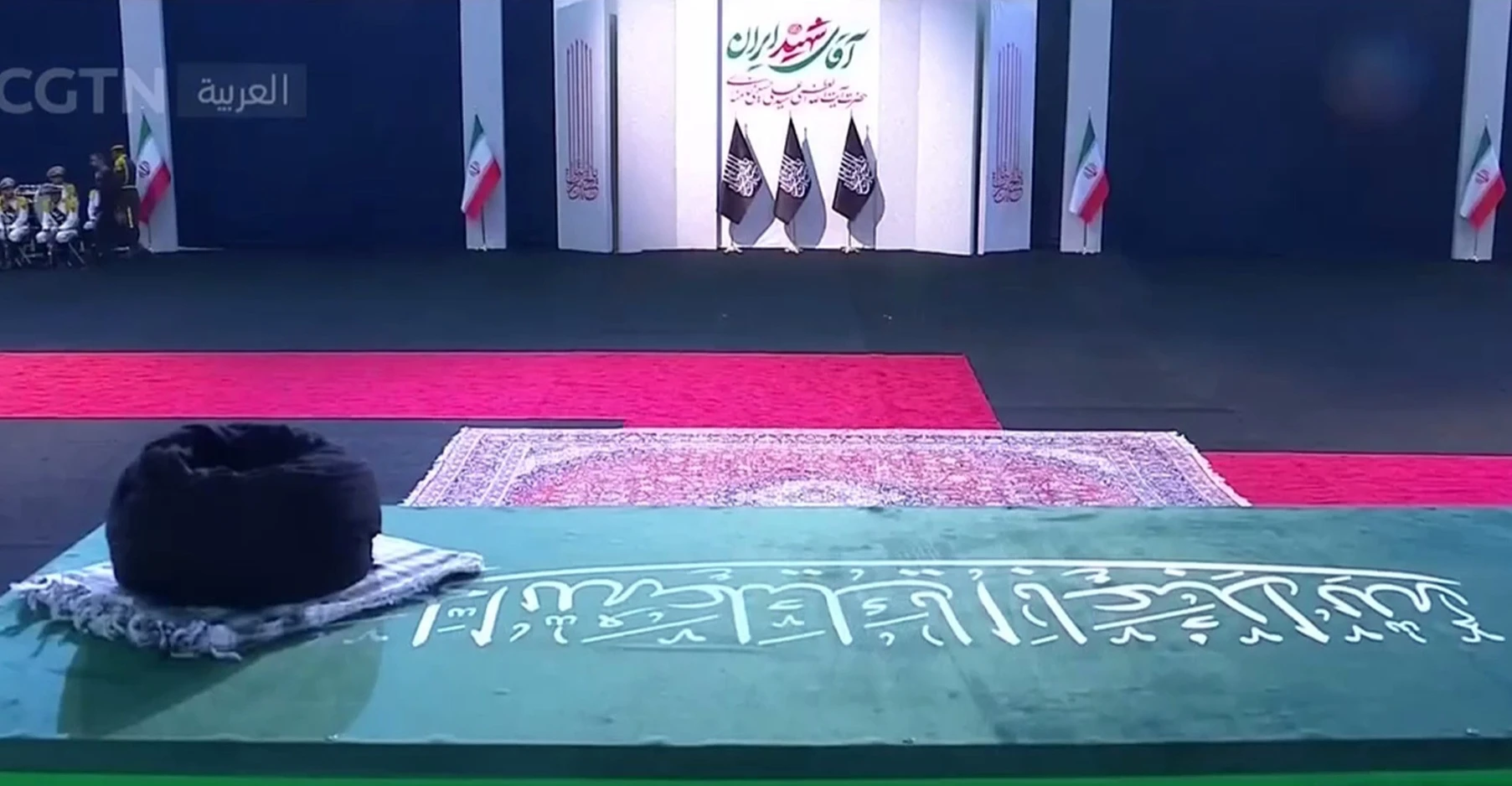
On Sunday, informed Iraqi sources revealed restrictions imposed by the Iraqi government on the funeral ceremonies for former Iranian Supreme Leader Ali Khamenei inside Iraq, for security and political reasons, including the refusal to allow the participation of leaders of the Iranian Revolutionary Guard, most notably the commander of the Quds Force, Ismail Qaani. However, a senior leader in the coordination framework refuted the information related to Qaani.
One source told Shafaq News Agency that the government of Prime Minister Ali Faleh al-Zaidi had expressed reservations from the outset about the proposal to hold a funeral procession for Khamenei in Iraq, particularly in the capital, Baghdad, based on security assessments and political calculations that were communicated to Tehran through official channels.
He added that subsequent contacts and Iranian pressure resulted in Baghdad agreeing to hold limited ceremonies only within the governorates of Najaf and Karbala, while refusing to organize any events in the capital, Baghdad.
Another source explained that the Iraqi government informed the Iranian side of the need for no Iranian military leaders to participate in the ceremonies, especially the leaders of the Revolutionary Guard and the commander of the Quds Force, Ismail Qaani, in order to avoid any security repercussions or political messages that might accompany the event.
According to the two sources, Baghdad views the funeral ceremonies as going beyond their religious or protocol dimension, and believes they may be used to convey political messages related to the continuation of Iranian influence within Iraq, at a time when the government is trying to maintain a balance in its regional and international relations.
In this context, a third source told Shafaq News Agency that this issue puts al-Zaidi in front of a sensitive diplomatic test, coinciding with preparations for his anticipated visit to Washington in the middle of this month, and his meeting with US President Donald Trump, which pushes the government to avoid any steps that may be interpreted as siding with a regional axis at the expense of the path of openness with the United States.
For its part, the Coordination Framework denied the information indicating that Baghdad had refused to allow the commander of the Iranian Revolutionary Guard, Ismail Qaani, to attend the funeral ceremonies for Khamenei in Iraq, in the governorates of Karbala and Najaf next Wednesday.
The head of the parliamentary Design Alliance bloc, Amer Al-Fayez, told Shafaq News Agency that “the information indicating that Baghdad informed the Iranian side that Qaani is an (undesirable) person is not true, and whoever is promoting this information wants to create some kind of confusion or hurt the relationship between Baghdad and Tehran, and this is not possible between two neighboring countries that have common interests.”
According to Al-Fayez, Qaani did not do anything that would warrant a decision not to welcome him in Iraq.
These developments come at a time when Iraqi-American relations are witnessing rapid political activity, while Baghdad seeks to manage its foreign affairs according to a delicate balance equation, far from any escalation that may affect its relations with its international partners.
Qani’s last visit to Baghdad took place last May, days before the formation of the new Iraqi government. During the visit, he stressed that the selection of the new prime minister was an “Iraqi matter” and that no external party had the right to interfere in it, in reference to the role of the United States at the time in shaping the profile of the person who was supposed to lead the Iraqi government.
shafaq.com
