American perspective: No guarantees for energy companies in Iraq as long as factions retain their weapons.
American perspective: No guarantees for energy companies in Iraq as long as factions retain their weapons.
2026-06-20
 Shafaq News – Special Translation
The American ” Foundation for Defense of Democracies ” institute expressed doubt about the ability of the Iraqi government to achieve what it called “the difficult balancing act” between dealing with the issue of the factions’ weapons and providing guarantees to American energy companies for their work in Iraq, in light of the tense regional situation, considering that any guarantees are meaningless as long as the factions retain their weapons.
The American Institute said in a report entitled “Washington wants a business-focused relationship with Iraq, but security cannot be ignored,” translated by Shafaq News Agency, that unfortunately for Iraq, Tehran’s influence is not limited to its security sector, but also extends to the government and the economy.
The US report suggested that Washington and Baghdad could begin working to reduce this widespread “malign” influence by expanding the ban on members of factions in the government to include the positions of deputy minister and director general in government ministries.
In addition, the report suggested that the US Treasury Department could use anti-corruption tools, such as the Global Magnitsky Sanctions Act, to target Iraqis who exploit their government positions for the benefit of factions and Iran.
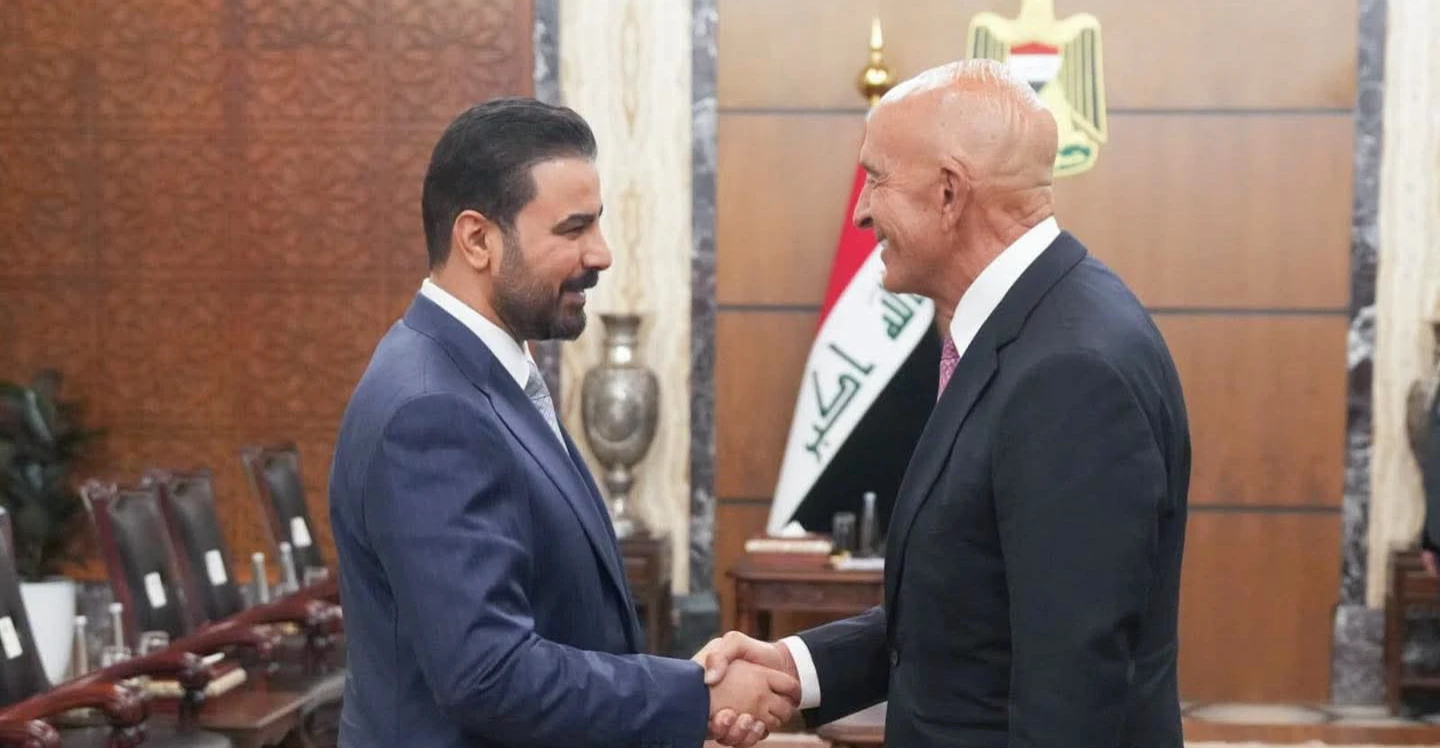
The report recalled the meeting between US envoy Tom Barrack and Iraqi Prime Minister Ali al-Zaidi in Baghdad on June 15, which focused on security issues, particularly the disarmament of Iranian-backed factions. The meeting also resulted in a statement addressing the progress made in energy deals with US companies.
According to the report, al-Zaidi received enthusiastic support from the administration of President Donald Trump, which considers him the right choice to support American priorities in Iraq, including countering Iranian influence, noting that he is scheduled to visit Washington next month.
Nevertheless, the report noted that al-Zaidi, a businessman, lacked a political record that supported his commitment to Washington’s priorities, and that his mandate came from a coordinating framework that includes parties allied with Iran.
However, the report noted that one month is not enough to judge al-Zaidi’s commitment or his ability to counter Iranian influence, but given his backers, Washington should not rely on al-Zaidi’s government and will remain an enthusiastic partner.
The report also noted the decision by the Asaib Ahl al-Haq and Kataib al-Imam Ali factions to prepare to give up their weapons, in addition to the Saraya al-Salam, which is linked to the leader of the Shiite national movement, Muqtada al-Sadr. It stated that despite the welcome issued by Baghdad and Washington, there are major questions about the fate of the fighters and weapons, recalling that the leader of Asaib, Qais al-Khazali, had defended the necessity and legitimacy of the Popular Mobilization Forces.
Meanwhile, the report said the letter from the US Embassy in Iraq praised Iraq’s efforts “to enable US companies HKN Energy, Western Zagros and Hunt to resume operations with full security guarantees.”
However, the report argued that any guarantees would be meaningless as long as the Iranian-backed groups, which targeted all of these and other American companies during the recent conflict with Iran, retained their weapons.
Although the report noted that the Iraqi government condemns such attacks, it said that it has demonstrated its inability to counter them.
The report indicated that Tom Barrack is believed to have asked al-Zaidi to put forward a timetable for disarming the factions, adding that this represents “a crucial start, but Washington also needs details about where the weapons will go and what will happen to the faction fighters.”
He concluded by saying that, in addition to the various Iranian-backed factions, Washington should ask Baghdad to take steps to dismantle the Popular Mobilization Forces, which constitute a financial and security burden on Iraq.
shafaq.com
