After a Shafaq News investigation, Iraq moves toward its “forgotten treasure.”
After a Shafaq News investigation, Iraq moves toward its “forgotten treasure.”
2025-06-07
 Shafaq News/ The Parliamentary Foreign Relations Committee called on the Iraqi Ministry of Foreign Affairs on Friday to demand that ambassadors and chargés d’affaires at embassies and consulates abroad take serious action to inventory Iraqi property and officially return it to state ownership.
$90 billion in the shadows: Iraq searches for a map of its forgotten treasure
Committee member Mukhtar al-Moussawi told Shafaq News Agency, “Iraq has many assets and real estate properties in various countries around the world, and all their original and documentary belongings are available, but they require intensive efforts to inventory them and take the necessary measures to recover them from those who are responsible for them or from those in whose names they were registered during the time of the former regime.”
Al-Moussawi called on the Iraqi Ministry of Foreign Affairs to “demand that Iraqi consuls and ambassadors take the necessary action and make genuine efforts to recover these numerous Iraqi assets, valued at millions of dollars, including a large mosque in Australia, large tea plantations in Sri Lanka, and farms in Yemen.”
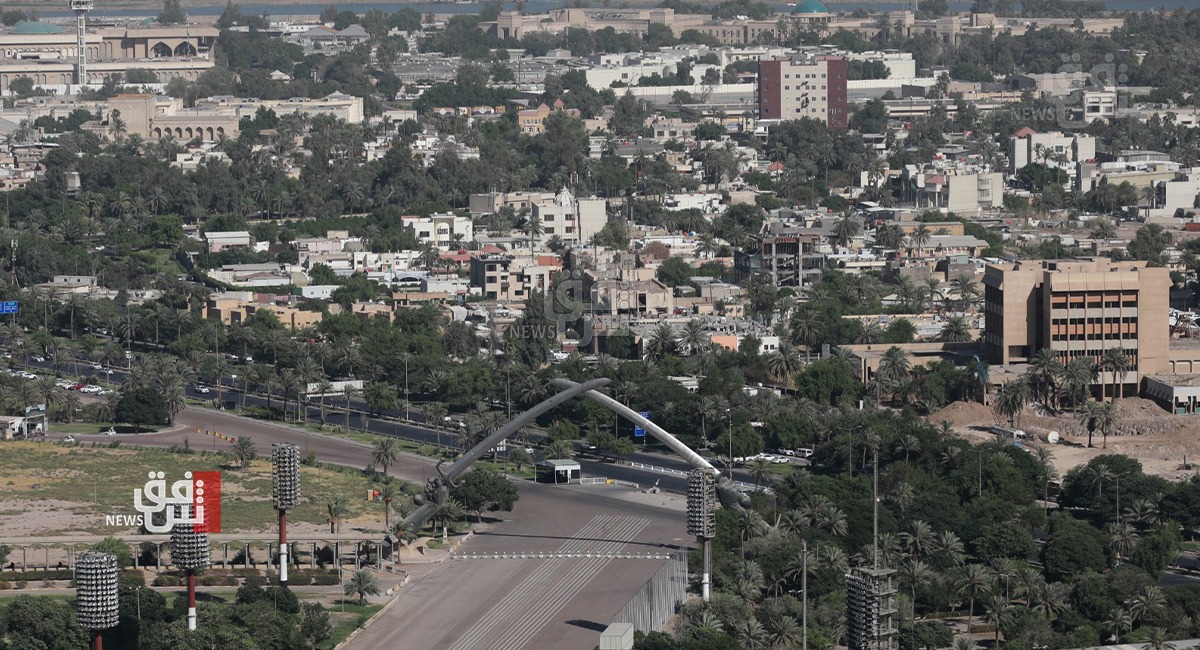
Regarding the lifting of the seizure of some properties belonging to the former regime within the Green Zone, Al-Moussawi confirmed that “some properties will be sold to their occupants at a price estimated at four million Iraqi dinars per square meter, a price that does not match the importance and location of these properties.”
Shafaq News Agency revealed in an investigation, citing senior diplomatic sources, that Iraq has at least 50 real estate and investment projects spread across Europe, Asia, and Africa, including luxurious palaces, farms, banks, commercial offices, and strategic factories.
These assets were part of Iraq’s expansionist economic policy during the 1970s and 1980s, when it used oil revenues to purchase strategic assets around the world to bolster its economic and diplomatic standing.
However, after the fall of the regime in 2003, this issue entered a cycle of neglect and loss. The Parliamentary Integrity Committee revealed to Shafaq News that essential ownership documents had been stolen or destroyed, and that some properties had been transferred to the names of individuals or fictitious companies affiliated with the former regime or networks linked to it, while others remained without any significant follow-up.
Initial estimates put the value of these assets at between $80 and $90 billion. Economists believe that recovering even a small portion of them or investing them properly could generate sustainable revenues for a country whose budgets depend almost exclusively on crude oil exports.
However, according to legal experts, some of these assets may have been subject to statutes of limitations in host countries, or were subject to legal actions that legalized ownership by third parties after Iraq’s absence from the scene for two decades.
In addition, there is a fear that internal political interference could hinder recovery efforts, especially if current properties are tied to powerful interests or old contracts that are difficult to cancel without engaging in complex legal disputes.
shafaq.com
