A Crisis Above the Clouds: Iraq Loses Millions of Dollars Daily Due to the Iran-Israel Conflict
A Crisis Above the Clouds: Iraq Loses Millions of Dollars Daily Due to the Iran-Israel Conflict
2025-06-20 04:52
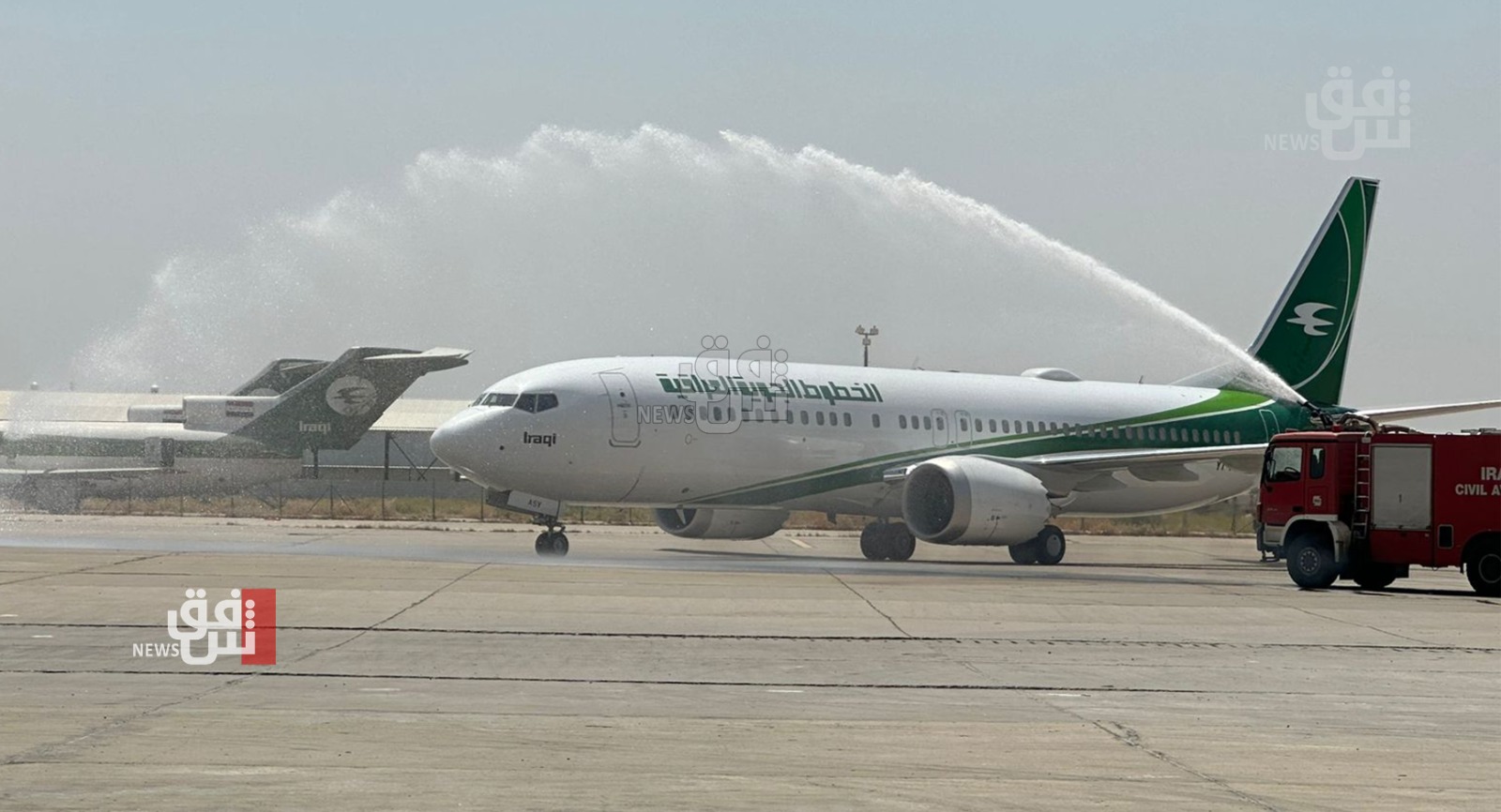 Shafaq News/ Officials and aviation sources said that Iraq is losing millions of dollars daily due to the complete closure of its airspace since June 13. This comes as the conflict between Iran and Israel escalated, halting transit air traffic and incurring significant losses for local airlines and airports.
Before the closure, Iraq recorded approximately 700 flights crossing daily, including passenger and cargo flights. Transit fees for each aircraft are approximately $450, rising to $700 for cargo aircraft, according to navigation data reviewed by Shafaq News Agency.
During May, the General Company for Air Navigation Services recorded 19,841 transit flights over Iraqi airspace, a number the company described as “excellent,” indicating the growing vital role of Iraqi airspace as a regional air corridor, according to Abbas Sabbar Al-Baydani, the company’s general manager.
With the start of the lockdown in mid-June, these numbers have almost completely ground to a halt, resulting in massive financial losses. Amer Abdul Jabbar, a member of the Iraqi Parliament’s Transport Committee, told Shafaq News Agency, “The direct losses from the suspension of airspace are estimated at more than $250,000 per day,” adding, “This does not include the indirect losses borne by airlines, airports, and ground services.”
In the south, Basra Airport has operated only 13 flights since the beginning of the crisis, while operations at Baghdad, Najaf, and Erbil airports have been completely or partially halted.
Local airlines, such as Iraqi Airways and Fly Baghdad, which rely on self-financing, are also facing mounting financial difficulties.
Parliamentary and government sources stated that the salaries and bonuses of these companies’ employees are funded by revenues from transit and operational services, which puts them at risk of shutting down if the crisis persists.
According to an analysis by Flightradar24, the closure of Iraqi and Iranian airspace has doubled the number of flights over Saudi Arabia from 700 to 1,400 per day, while flights over Afghanistan have increased by 500%.
The report indicated that the two airlines most affected by the closure were Qatar Airways and flydubai, with the latter forced to divert its routes eastward via Pakistan and Afghanistan, increasing some flight times by approximately two hours.
Overall, Iraq’s civil aviation network includes several major airports, most notably Baghdad, Erbil, Najaf, and Basra, which constitute a major hub for regional and international air traffic.
These airports are an important source of non-oil revenue through overflight fees, ground services, and air cargo. Despite experiencing significant growth in air traffic in recent months, they still face challenges related to modernization and expanding air connectivity, amid the security and political crises that are impacting the stability of the sector.
Analysts believe that a prolonged shutdown could impose an additional burden on the Iraqi economy and weaken the national aviation sector, especially given the lack of clear alternatives and the companies’ inability to absorb the financial shock.
shafaq.com
