A British vision: Iraq faces four scenarios amid the fragile regional calm.
A British vision: Iraq faces four scenarios amid the fragile regional calm.
2025-06-26 05:36
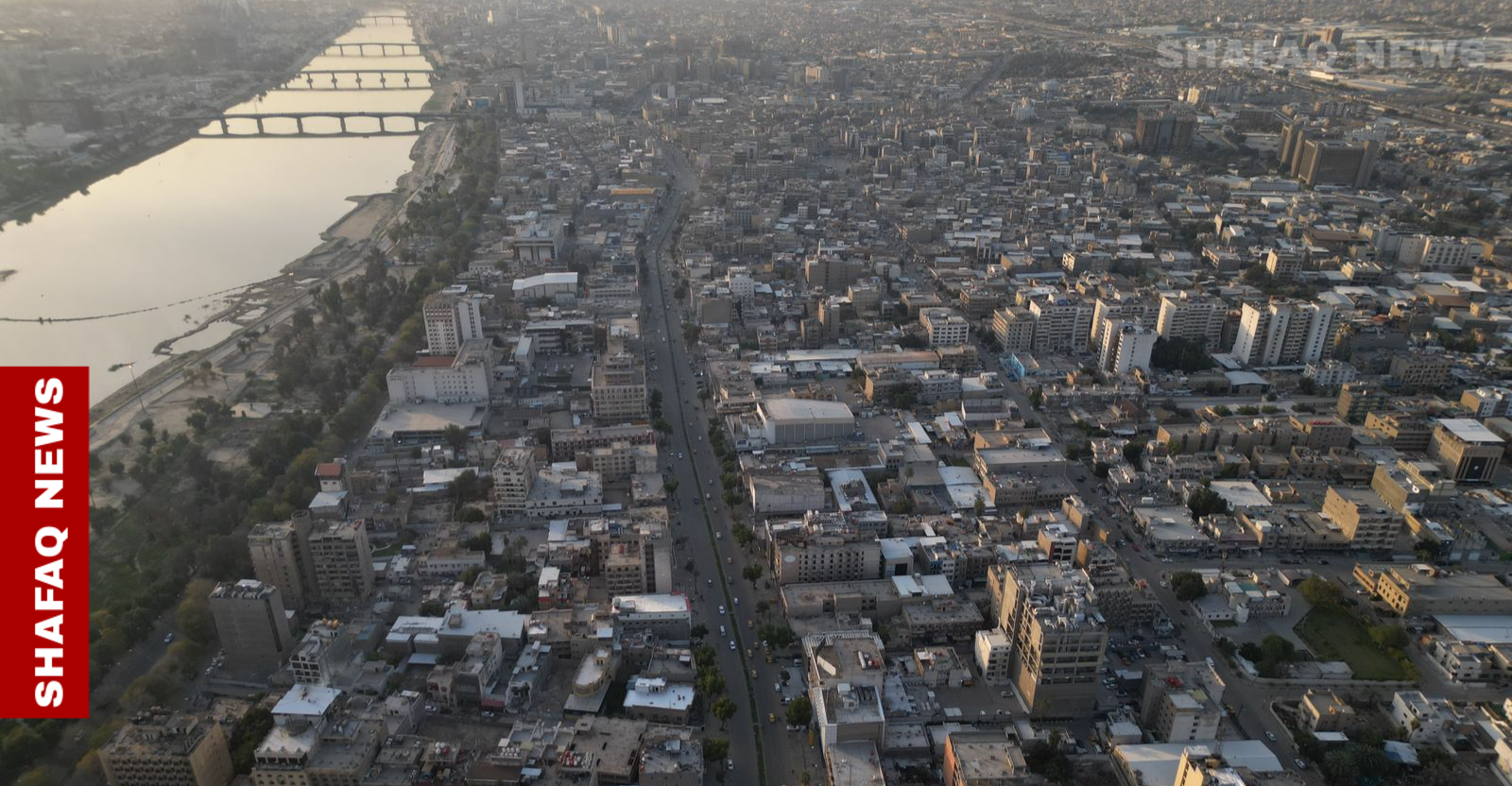 The British Chatham House Institute ruled out the continuation of the current “fragile calm” in the region, which is facing a “coming storm.” It also believed that Iraq faces multiple scenarios that threaten its stability and could drag it into them.
After the British report, translated by Shafaq News Agency, stated that it would be difficult for Iraq to avoid being drawn into the volatile Middle East turmoil, it explained that Iraq is experiencing a fragile stability, and that the balance of power in the region is being turned upside down. Meanwhile, for the first time in modern history, Iraq finds itself on the margins of a major Middle Eastern conflict, rather than at its center.
The report noted that the conflict between Iran and Israel occurred during a rare period of relative stability and development progress in Iraq, suggesting that this fragile calm is unlikely to last, as Iraq may be on the verge of being dragged into radical shifts in the regional order.
After stating that the US-led invasion in 2003 reshaped the geopolitical landscape, with Iran emerging as the dominant regional power, the report explained that the foundations of this order are currently being shaken by the Hamas attacks of October 7, 2023, the Israeli assault on Gaza, and the subsequent regional conflict. It noted that the full path of this transformation remains unclear, but it will almost certainly be marked by turmoil and violence.
The report continued, saying that this shift is taking place at a time when Iraq is emerging from years of conflict, which highlights the fragility felt across all Iraqi political spectrums. However, political elites, regardless of their ideological, ethnic, or sectarian affiliations, remain cautious about being drawn into a regional conflict. This includes factions with close ties to Iran, such as the Popular Mobilization Forces, which have largely exercised restraint since October 7, reflecting a “significant shift” from their previous positions, including their attacks on US forces, Saudi Arabia, and the UAE.
While the report noted that such incidents demonstrated the real risk that Iraq could become a launching pad for broader regional escalation, it continued, saying that restraint had prevailed since then, as key factions of the PMF, such as Badr and Asaib Ahl al-Haq, strengthened their presence within the Iraqi state, occupying ministerial portfolios, senior administrative positions, and influencing government institutions that generate significant revenues. The incentive to access these resources has encouraged them to adopt a more pragmatic and less confrontational approach, it added, noting that these groups are not simply “proxies” of Iran, and for them, unrest is bad for their business.
After the report found that these groups realize that their influence on the changing regional order is limited, it explained that they therefore prioritize survival and focus on maintaining their local power.
drawn into conflict
However, the report considered that ongoing regional unrest could soon pose a challenge to Iraq’s strategic position of self-restraint, pointing to the possibility of several paths that could force Baghdad to reshape its calculations.
The report explained that the first scenario is a prolonged war between Iran and Israel, with US support, in which Iraq could gradually drift under pressure from Iran on its allied armed groups to launch attacks against Americans in the region or in Israel. It added that given the fragility of the situation since October 7 and the current level of regional turmoil, this scenario seems likely.
In addition, the report noted that Iran has long suspected the possibility of Mossad agents infiltrating its territory via Iraq, which could exacerbate tensions between the two countries and lead to further cross-border attacks, particularly in the Kurdistan Region, which Iran has previously targeted under the pretext of dismantling alleged Mossad sites.
The report continued that the second scenario might involve a managed de-escalation, through a reassessment of US diplomacy and Israeli strategy, which could allow Iraq to isolate itself from direct involvement and focus on regional coordination.
He added, “Under such a situation, Iraq may ally with its Gulf partners to develop a more robust regional security system aimed at reducing exposure to future external shocks.” He noted that a key element of this integration with the Gulf would be a sustained diplomatic effort to resolve the maritime border dispute with Kuwait.
The third scenario, according to the report, is the most destabilizing: a succession crisis occurs in Iran and the regime disintegrates. This collapse could lead to the fragmentation of the Axis of Resistance network, the expulsion of refugees across Iraq’s borders, and the creation of a security vacuum. The report explains that such a scenario could prompt Iraqi groups allied with Iran to intervene in Iranian or regional affairs, fighting to preserve the existing regime.
Furthermore, the report stated that this situation may provide a rare opportunity for Iraqi leaders to assert greater independence, as Iraq may be freed from the ongoing Iranian influence over its politics for two decades.
regional nuclear proliferation
The fourth scenario is nuclear escalation, as the report indicated that Iran may announce its intention to pursue nuclear weapons and consolidate its regime.
The report continued, “If Tehran reasserts its control and internal stability, the most likely scenario is for Iraq to continue on its current path, which means managing relations cautiously, prioritizing internal recovery, and striving to preserve its sovereignty.”
The report continued, saying that such a scenario would mean that the specter of regional nuclear proliferation would loom on the horizon.
At the same time, the report stated that the Iraqi leadership may prefer to focus on economic development and internal stability, but shifting regional dynamics may be largely beyond Iraq’s control.
The report concluded that prolonged instability could undermine vital energy and trade relations, hindering the fragile economic recovery and jeopardizing the power that Iraqi elites have recently begun to consolidate.
The report warned that these security threats could reignite internal conflict or lead to Iraq’s involvement in external wars, while political shocks emanating from Tehran could disrupt the fragile balance in Baghdad.
The British report concluded by stating that regardless of the ceasefire between Iran and Israel, what is certain is that the regional order is in a state of flux, and that clinging to the status quo is no longer feasible. Strategic foresight, adaptability, and a redefinition of Iraq’s role in the region will be essential if Baghdad is to weather the coming storm.
shafaq.com
