To make Iraq attractive for investment and comparable to Saudi Arabia… Energy and security partnerships with the US
To make Iraq attractive for investment and comparable to Saudi Arabia… Energy and security partnerships with the US
2025-06-28 05:56
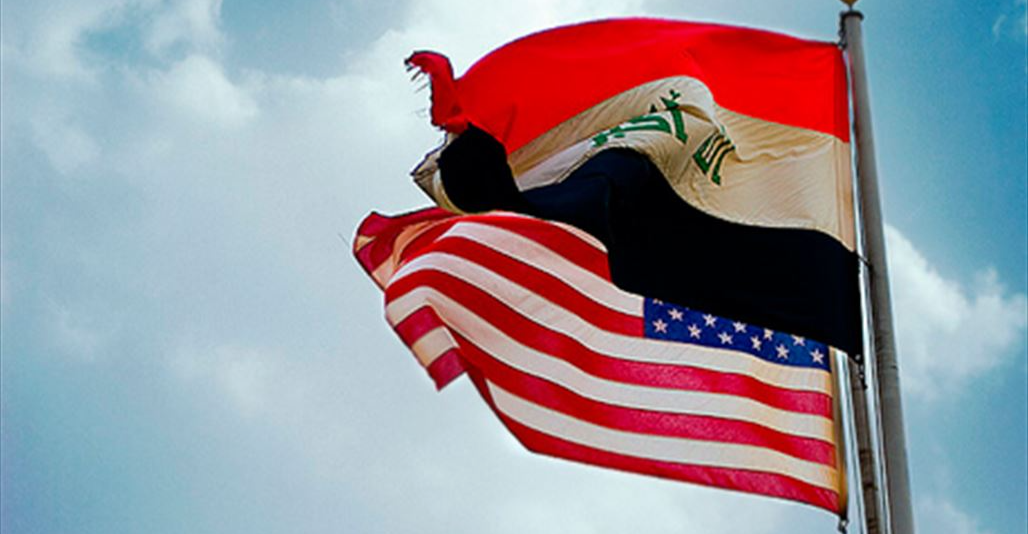 The Washington Institute linked the success of Iraq’s energy aspirations and independence to strengthening and restructuring security relations with the United States, warning that Iraq, while more stable than it has been in decades, still faces challenges, including the risk of expanding hostility between Iran and Israel.
The American Institute stated in a report, translated by Shafaq News Agency, that Iraq continues to face enormous security and economic challenges, including the hostility between Iran and Israel, reliance on unreliable Iranian gas amid untapped domestic opportunities, the new regime in Syria, and the ongoing threat from ISIS.
While the report noted that while Baghdad seeks to disengage from the international coalition mission against ISIS and restructure its relationship with the United States, it considered that partnership with the United States in the areas of energy and security would not only advance Iraqi goals, but would also serve the policy objectives of US President Donald Trump, counter Iranian and Chinese influence in Iraq, secure additional economic opportunities, and contribute to facilitating efforts to achieve broader stability in the Middle East.
The report explained that enhancing energy cooperation between the United States and Iraq requires not only a positive investment environment, but also sustainable security. Therefore, if Iraq wants to attract investors, it must demonstrate its stability by resolving the chronic problems of foreign interference and internal conflicts. From Washington’s perspective, this means that Baghdad must continue to focus on confronting ISIS and, secondly, on reducing the threat of Iranian-backed militias, which could expand if confrontations between Iran and Israel resume.
Recommendations on energy and security
The US report stated that the Israeli strikes on Iran’s domestic gas production reinforce the need for Iraq to expand its energy cooperation with the United States and explore untapped economic opportunities in the gas sector.
The report called for a focus on bilateral efforts to reduce gas flaring and develop gas fields, such as the Akkas field, Iraq’s largest non-associated gas field, where the American oil services company SLB is reportedly currently involved.
The report suggested that Baghdad learn from Saudi Arabia’s successes in addressing gas flaring, which has contributed to the advancement of industrialization in Saudi Arabia. This system has been in operation since the 1980s and utilizes technologies from leading US-based companies, as well as other countries.
The report noted that the gas associated with Iraqi oil is rich in methane, a gaseous liquid that can be used to produce ethylene, a key ingredient for any future petrochemical industry. This is an area Baghdad could seriously explore with American companies.
The report also suggested that Iraq’s cooperation with the US private sector in the near term could include leasing floating storage and regasification units at sea to import natural gas, as Iraq accelerates the establishment of the necessary infrastructure in the south. The report noted that the United States is a global leader in the natural gas sector.
The report continued, “The recent visit of a US trade delegation to Baghdad demonstrated the potential for expanding bilateral cooperation in the energy sector. However, for this cooperation to succeed, Iraq’s security and stability are of paramount importance, particularly in light of the geopolitical risks posed by the Iran-Israel conflict.”
Therefore, on the security front, Washington and Baghdad must continue to confront the multifaceted threat posed by ISIS, counter the threats posed by Iranian-backed militias, and ensure that no governmental or non-governmental entity is able to destabilize the internal security situation.
In addition, the report called on US and Iraqi officials to continue planning and implementing the transition to the post-coalition phase, including through the signing of a status of forces agreement or other bilateral understandings to establish the legal status of the continued presence of US forces in Iraq.
The US report considered that such an agreement could enable Washington to continue supporting Iraq in its war against ISIS. It would also demonstrate to Iran and its allied factions that Baghdad prioritizes its relationship with Washington. It would also demonstrate to private sector investors that both governments prioritize Iraq’s security, making the country attractive for investment.
The report concluded by stating that, as Baghdad seeks to redefine its relationship with Washington, emphasizing cooperation in energy and security areas can directly serve the United States’ goals of countering Iranian and Chinese influence, providing new economic opportunities, achieving stability in the broader Middle East, and reducing ungoverned spaces exploited by hostile actors.
shafaq.com
