40 billion dinars will restore the Kirkuk railway line to the Iraqi railway network.
40 billion dinars will restore the Kirkuk railway line to the Iraqi railway network.
2026-10-23
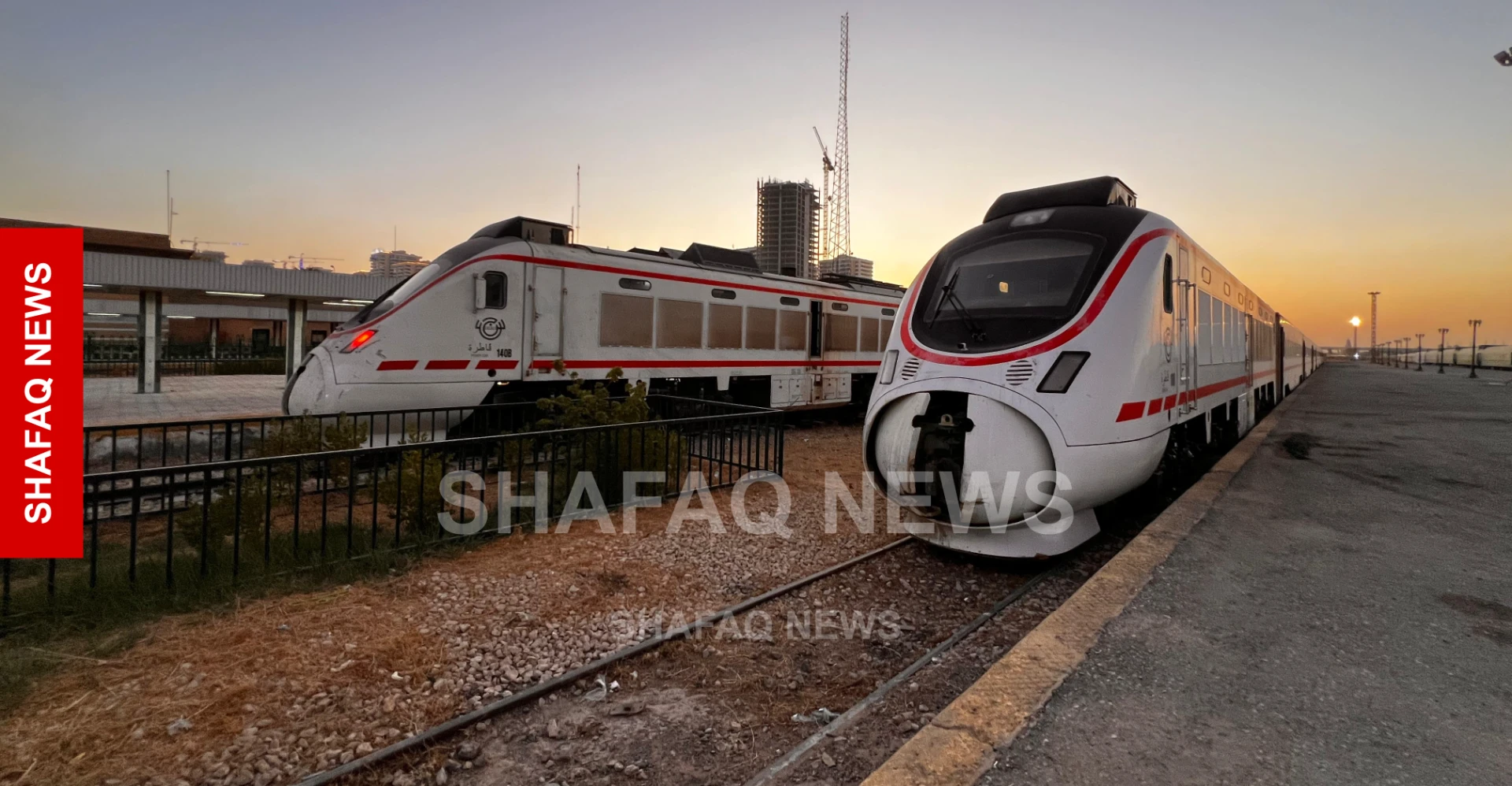 Shafaq News – Kirkuk
Ali Hamadi, the advisor to the governor of Kirkuk for investment and reconstruction affairs, revealed on Friday that the railway line linking the governorate with Salah al-Din needs about 40 billion Iraqi dinars to rehabilitate it so that it can be used to transport goods and oil derivatives.
Hamadi told Shafaq News Agency that “Kirkuk is one of the important oil-producing governorates on the production and export map, and that restoring the railway line between it and Salah al-Din will reconnect the governorate to the railway network throughout Iraq, which will contribute to reviving rail transport and enhancing its economic role.”
He added that “the Kirkuk Governorate administration has officially requested on several occasions that the project be referred and its implementation begin, and the Ministry of Construction and Housing has included the project in its plans and cost estimates, as it needs about 40 billion dinars to rehabilitate it, especially the Al-Fatha Bridge, which was damaged during the previous years of war.”
He explained that “the governorate administration has asked the coordination committee between the governorates and relevant authorities to include the project in the projects schedule, given its strategic importance in linking Kirkuk to the Iraqi governorates, reaching Basra via the railway network.”
Hamadi pointed out that “the rehabilitation of the line will allow it to be used for transporting goods, as well as the possibility of using it to transport oil and petroleum products, which would support economic activity and reduce pressure on land routes.”
For his part, Hussein Jalil, a former employee of the Kirkuk railway line, told Shafaq News Agency that the Kirkuk railway line represents an important part of the railway transport network map in Iraq, due to its economic and strategic importance in linking the governorate to the southern ports and the rest of the governorates. However, its suspension for many years and the absence of serious steps to restart it have deprived Kirkuk of benefiting from its great potential.
Jalil added that “there is a clear neglect in restoring life to this vital artery, despite the economic and service benefits it could bring to the province and Iraq in general, especially since Kirkuk is one of the important areas in oil production, and needs advanced and low-cost means of transport to and from it.”
He explained that the rehabilitation of the line will contribute to the development of commercial transport, especially the transport of goods and commodities coming from the ports of Basra to Kirkuk and the northern governorates, as well as the possibility of using it to transport crude oil, oil derivatives, raw materials and various commercial and industrial needs.
He pointed out that reactivating the line will alleviate pressure on land routes, reduce transportation costs and fuel consumption, and could open up new economic opportunities and provide a better environment for trade between governorates. He called on the relevant government agencies to expedite the inclusion of the project among reconstruction priorities and allocate the necessary funds for its implementation, in order to ensure the restoration of its role in supporting the national economy.
The Kirkuk-Salah al-Din line is one of the important routes that could enhance the province’s connection to the Iraqi railway network, but parts of it were damaged during the years of war, including the Fatha Bridge, which led to the cessation of traffic on it.
Before 2003, the railway line linking Kirkuk to Salah al-Din extended along the transport and trade routes towards Syria and Turkey, and contributed to the transport of goods and passengers, before traffic on it stopped as a result of disputes and political circumstances that prevented its continued operation, according to information circulating about the history of the line.
The history of railways in Kirkuk is linked to the 1940s, when rail transport was one of the important routes for the movement of goods and passengers. The governorate administration is currently seeking to include the rehabilitation project within the reconstruction plans and the development of transport infrastructure, which will allow it to regain its role in the future in the movement of trade and the transport of oil products between the Iraqi governorates.
shafaq.com
