Kirkuk-Banias pipeline: A Syrian agreement with Iraq to replace the dilapidated oil pipeline
Kirkuk-Banias pipeline: A Syrian agreement with Iraq to replace the dilapidated oil pipeline
2026-09-20
 Shafaq News – Damascus
During a hearing before the People’s Assembly, Syrian Energy Minister Mohammed al-Bashir reviewed the field and financial situation of the energy sector in the country, revealing the existence of major operational challenges and strategic projects in cooperation with the Iraqi side.
During the session, which was followed by Shafaq News Agency, the minister confirmed that the Ministry of Energy includes the electricity, water, oil and mineral resources sectors, noting that the ministry’s vision is based on supporting economic development and reducing the gap between supply and demand.
He explained that creating holding companies does not mean privatization, stressing that all companies affiliated with the ministry are state-owned.
Regarding personnel and automation, Al-Bashir revealed that about 10,000 dismissed employees have been reinstated after submitting return requests, noting that the ministry is working on automating transactions and digital linking, in addition to creating a committee to study the reality of the stock and prepare a new map of oil and gas, while temporarily closing many wells for rehabilitation.
Regarding the challenges and the oil derivatives crisis, he added that Syria needs about 24 million cubic meters of gas per day to operate the ready-made power generation plants, noting that meeting these needs faces obstacles related to the absence of databases and securing foreign currency through the Central Bank.
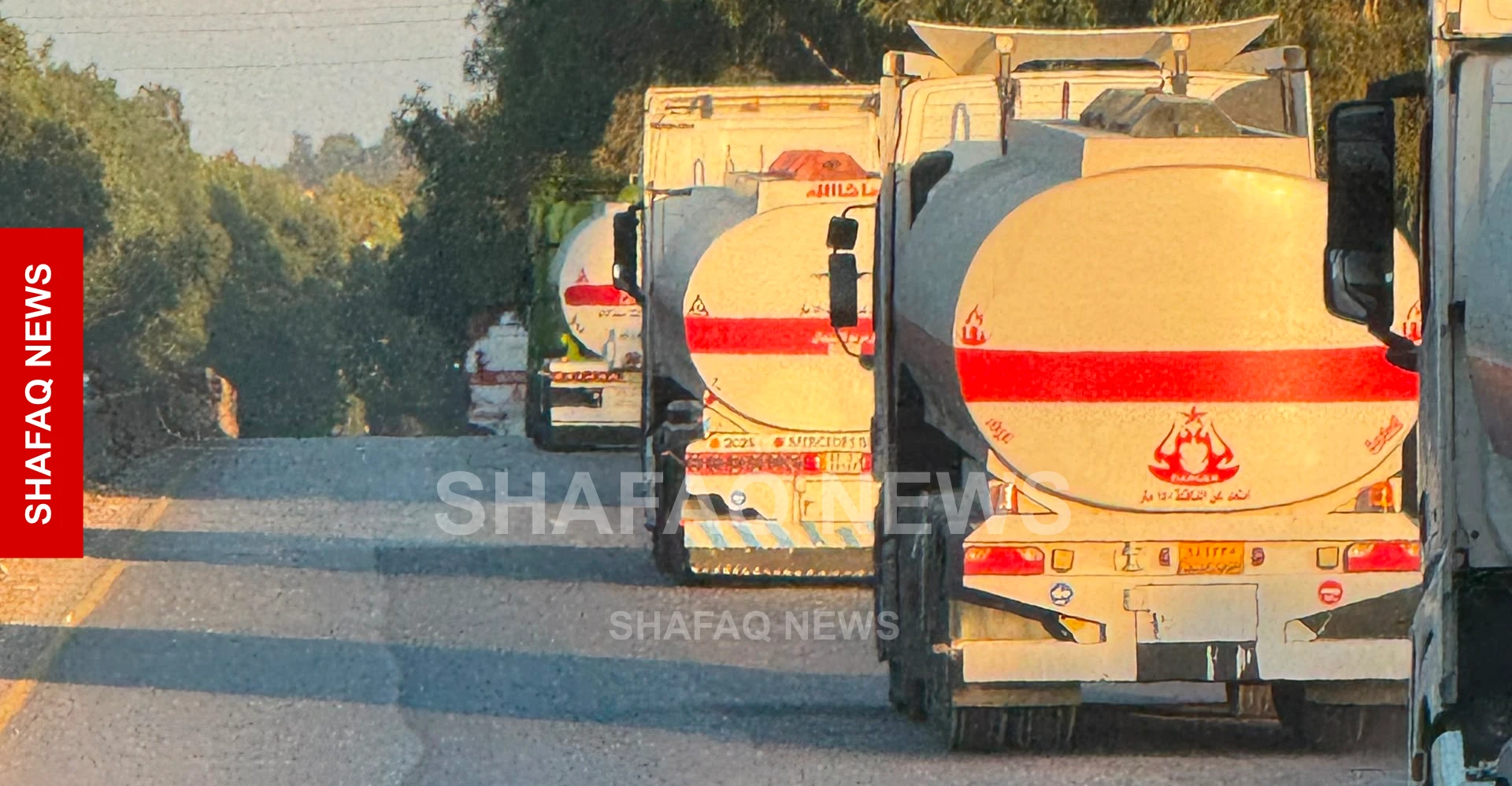
He pointed out that the current capacity of the two refineries is about 150,000 barrels per day, while the gap between local production and refining needs is estimated at about 200,000 barrels per day, which is imported as derivatives, noting that a decision was made to start a comprehensive overhaul of the dilapidated Banias refinery.
Regarding regional cooperation, Al-Bashir pointed to the signing of a memorandum of understanding with a consortium of companies to implement the replacement of the dilapidated (Kirkuk-Banias) pipeline in cooperation with the Iraqi side, stressing that Syria can obtain transit fees and priority in purchasing oil through this pipeline, in addition to benefiting from the Arab Gas Pipeline and internal networks.
On the financial side, the Syrian minister continued, saying that the cost of imported gas for electricity generation amounts to about $140 million per month, noting that industrial and commercial cities consume more than 40% of the electricity, and that the ministry incurs a loss of about 31 Syrian pounds per liter of diesel after adjusting prices.
The Minister of Energy concluded by noting that Syria has entered into negotiations with major international companies to explore for oil and gas and develop offshore fields, expressing his expectation that self-sufficiency in oil will be achieved during 2028 if the plans proceed without emergencies, while achieving self-sufficiency in gas will require a longer period.
The summoning of the Syrian Minister of Energy, Muhammad al-Bashir, before the People’s Assembly comes amid a state of popular and field tension that included several governorates, following the decision to raise the prices of petroleum products by percentages ranging between 25% and 40%.
This increase has led to a wave of protests and demonstrations in several Syrian cities in protest against its direct repercussions on transportation costs and the prices of basic commodities.
shafaq.com
