American newspaper: Iraq agreed to block dollars from reaching Iran and factions in order to resume currency shipments.
American newspaper: Iraq agreed to block dollars from reaching Iran and factions in order to resume currency shipments.
2026-07-09
 Shafaq News – Washington
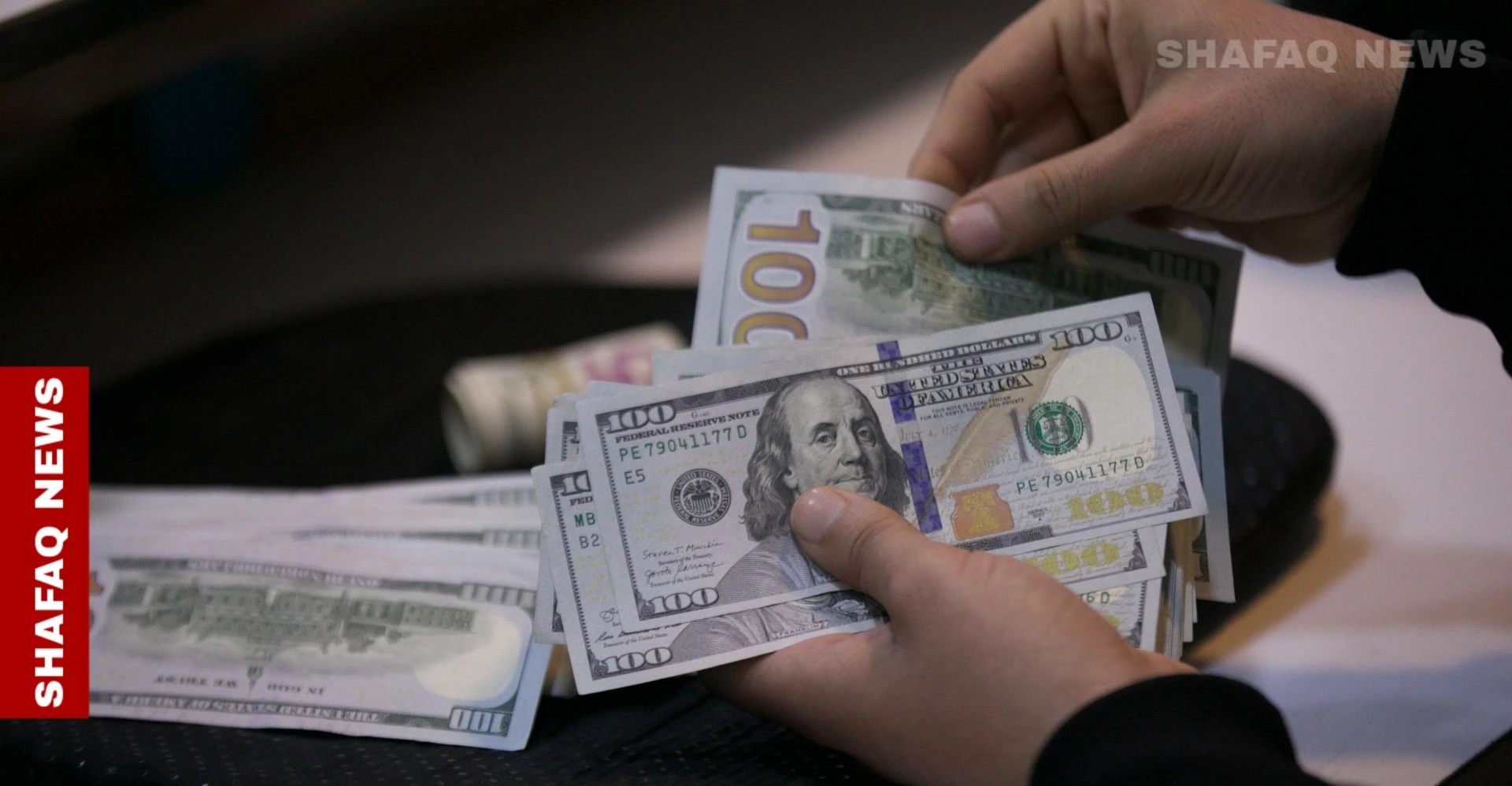
The Wall Street Journal reported Wednesday evening that Iraq has agreed to new controls aimed at preventing the flow of dollars to Iran and its militia allies, in exchange for the Trump administration lifting a four-month suspension on shipments of US currency to Baghdad, according to what it quoted from US and Iraqi officials.
According to the newspaper report , which was followed by Shafaq News Agency, the US Treasury Department had stopped delivering banknotes in late February with the start of the war on Iran, depriving the government of Iraqi Prime Minister Ali al-Zaidi of much-needed cash liquidity from oil sales revenues deposited with the Federal Reserve Bank of New York.
With Iraqi oil exports almost completely halted due to the war, the US government exerted what the newspaper described as “enormous” pressure on Baghdad to reduce its ties with Tehran, which had used its neighbor as a major source of dollars in violation of US sanctions, according to the report.
The newspaper considered this move part of a broader effort by the US administration to urge Baghdad to move closer to Washington in the aftermath of the conflict.
Officials, as quoted by the newspaper, said that the Federal Reserve canceled at least two cash shipments on the instructions of the Treasury Department, one of which was worth nearly $500 million.
Deliveries of US dollars, aboard cargo planes chartered by the Iraqi government, resumed late last month, according to Iraqi officials.
In return, Baghdad promised to take measures to prevent Iran and its allies from obtaining dollars from Iraqi exchange companies and from paying the salaries of members of pro-Iranian “militias,” according to the report.
A U.S. Treasury official said that shipments of U.S. dollars to Iraq have resumed after Baghdad committed to additional safeguards to prevent armed groups from exploiting the country’s financial system.
The newspaper also quoted Iraqi government spokesman Haider al-Abudi as saying that financial transfers had resumed, but he declined to comment on the measures that Baghdad had agreed to restrict the dollar.
The terms agreed upon by Iraq were not previously disclosed. The New York Times had previously reported on the resumption of dollar shipments.
The Wall Street Journal noted that al-Zaidi, a little-known political figure who has never held office, is expected to meet with President Trump later this month in Washington.
She added that al-Zaidi was chosen by the elected Iraqi parliament as prime minister last May, after a long standoff between the United States and Iran over the selection of the country’s next leader.
The report confirmed that al-Zaidi received Trump’s endorsement despite owning a bank that the US Treasury Department had banned from dealing in dollars due to suspected dealings with an Iranian-linked militia leader. Iranian officials also publicly supported al-Zaidi’s selection, according to the report.
He added that the White House’s support came with a demand from al-Zaidi to exclude Iranian-backed militias from the next Iraqi government and reduce Tehran’s influence in Baghdad. Al-Zaidi also ordered these militias to disarm and place their members under state control, according to the newspaper.
But the American demands, according to the report, involve serious political risks for al-Zaydi, and progress in reducing the influence of the “militias” is slow, according to analysts.
According to the report, previous Iraqi prime ministers have had little success in challenging the “militias,” which enjoy strong support in parliament.
shafaq.com
