A human rights center calls for the protection of “whistleblowers” to ensure the success of “Operation Dawn”.
A human rights center calls for the protection of “whistleblowers” to ensure the success of “Operation Dawn”.
2026-07-06
 Shafaq News – Baghdad
The Strategic Center for Human Rights confirmed on Monday that about 43% of cross-border corruption cases uncovered globally began through reports submitted by individuals or through internal reporting systems, which confirms that whistleblowers represent the first line of defense in protecting public funds and establishing the principles of integrity and transparency.
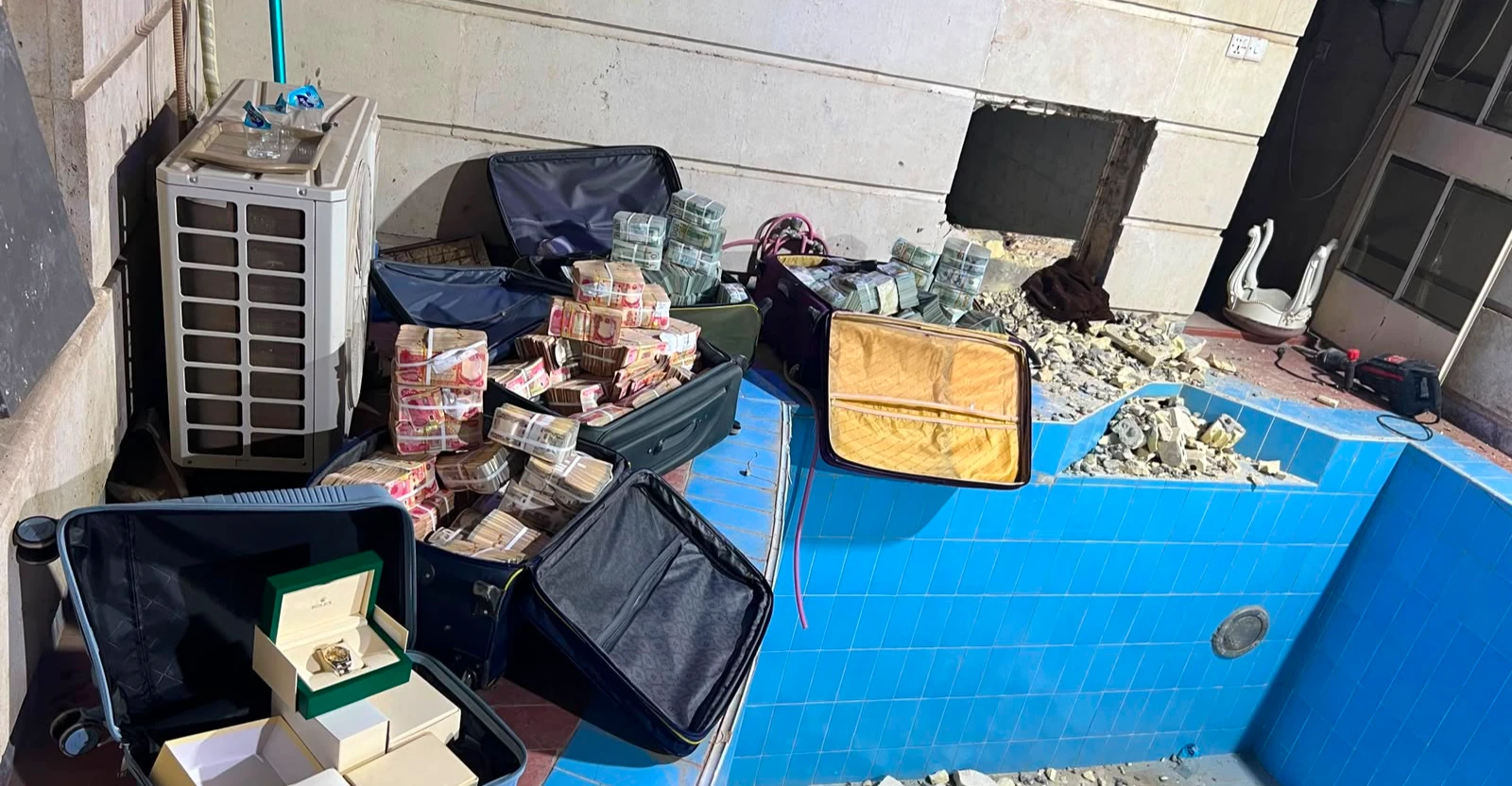
The center stated in a statement received by Shafaq News Agency that the national campaign to combat corruption in Iraq (Operation Dawn) represents an important step towards strengthening the rule of law, recovering public funds, and holding those involved accountable. However, its sustainable success remains dependent on providing a legal and safe environment that encourages citizens and employees to report corruption crimes without fear of retaliation, threats, or losing their jobs, considering that reporting corruption is an exercise of a constitutional right and a national contribution to protecting public funds and enhancing society’s trust in state institutions.
The center added that international experiences have proven that whistleblowers have contributed to uncovering thousands of cases related to bribery, embezzlement and abuse of power. Estimates from the Organisation for Economic Co-operation and Development (OECD) indicate that about 43% of cross-border corruption cases uncovered globally began through reports submitted by individuals or through internal reporting systems. Transparency International also confirms that providing legal protection for whistleblowers is one of the most effective tools in reducing corruption and promoting accountability and good governance.
The center noted that Iraq is currently witnessing escalating governmental efforts to combat corruption, recover public funds, and prosecute those involved, which necessitates, in parallel, strengthening the system for protecting whistleblowers, witnesses, and experts.
According to data from the Federal Integrity Commission, in recent years the Commission has received thousands of reports and complaints related to corruption cases, and has referred large numbers of accused persons to the judiciary, in addition to carrying out operations to seize and recover public funds inside and outside Iraq, which reflects the importance of the role played by citizens and whistleblowers in uncovering corruption crimes and supporting the efforts of law enforcement agencies.
The center emphasized that many whistleblowers may face pressure, threats, or retaliatory measures, which could discourage citizens from reporting corruption cases and negatively impact the state’s efforts to combat this scourge. Therefore, providing effective legal and administrative safeguards for whistleblowers is a national obligation consistent with the provisions of the United Nations Convention against Corruption, which calls upon states to take appropriate measures to protect individuals who report corruption crimes in good faith from any retaliatory or discriminatory treatment.
The Strategic Center for Human Rights called on the House of Representatives, the government, the judicial authorities and oversight bodies to expedite the completion and development of the legislative framework for the protection of whistleblowers, witnesses and experts, to provide safe and confidential reporting channels, and to ensure that the whistleblower is not subjected to any form of professional, social or legal retaliation, while promoting a culture of reporting corruption as a national duty and a societal responsibility that contributes to protecting public funds and consolidating the principles of integrity and transparency.
shafaq.com
