The Iranian currency continues its collapse against the dollar, and there are 7 reasons behind this.
The Iranian currency continues its collapse against the dollar, and there are 7 reasons behind this.
2025-12-02 00:22
 Shafaq News – Baghdad
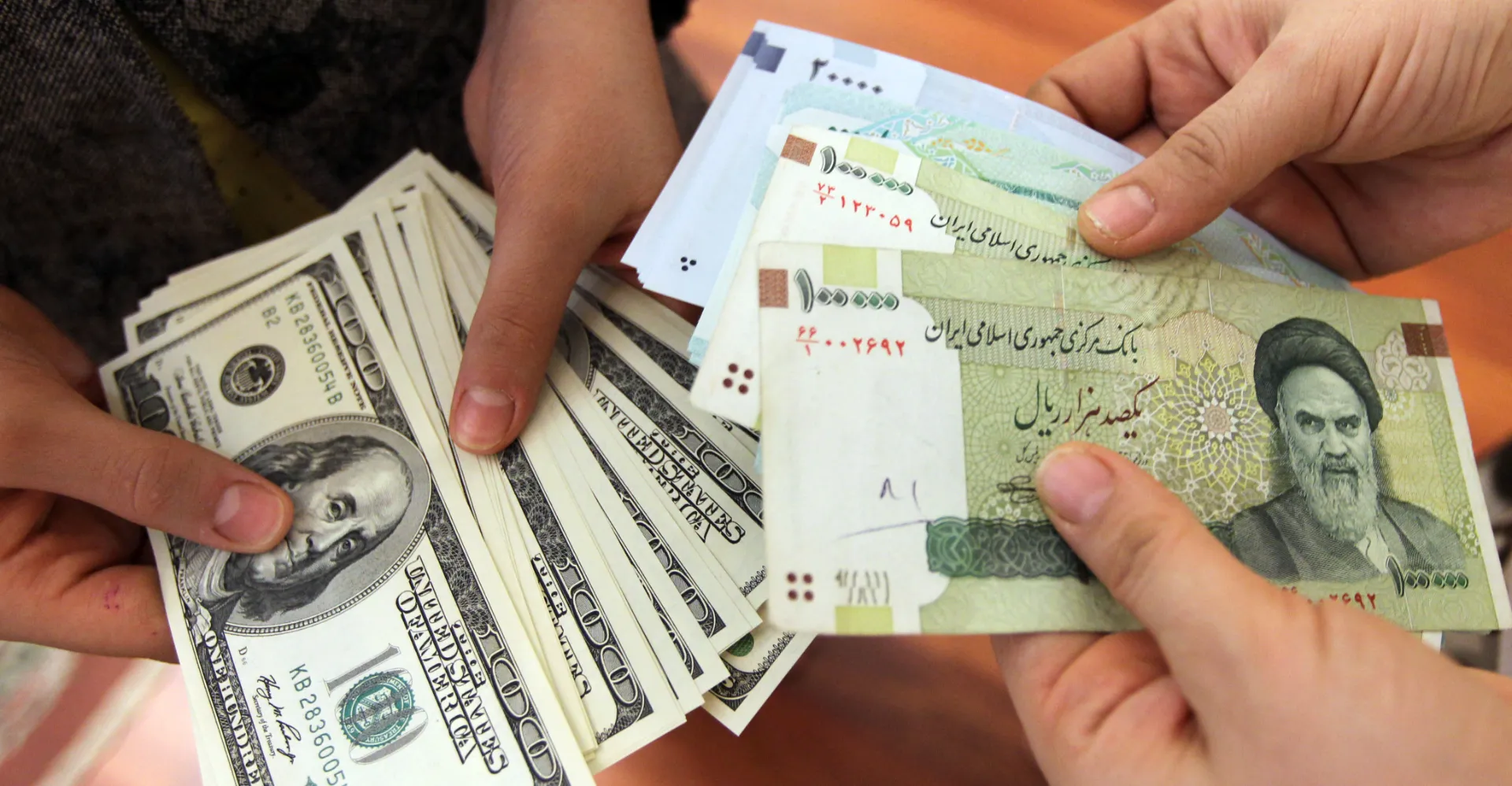
The Iranian currency has fallen again against the US dollar, exceeding a price of 119,000 tomans.
According to reports from currency price tracking websites, the British pound was trading at more than 156,000 tomans, and the price of the euro reached 137,500 tomans.
Since the beginning of the week, a surge in dollar prices has swept through the country, setting successive record highs and charting a new course for rising prices.
The price of the dollar against the toman rose to more than 115,000 tomans last Saturday.
Over the past year, food prices in Iran have risen by more than 66 percent.
These fluctuations come at a time when the exchange rate has been rising rapidly since the beginning of the week. On November 8, the dollar was trading at 108,000 tomans, meaning it has risen by more than 5,000 tomans, or about 5.2 percent.
In recent weeks, a surge in inflation and rising foreign currency prices has increased citizens’ concerns about the deteriorating economic situation in the country, a surge that intensified after the activation of the mechanism and the return of UN Security Council sanctions.
Meanwhile, the semi-official Iranian news agency Tasnim attributed the recent rise in foreign exchange rates to seven main reasons, most notably raising expectations about the extent of inflation in the country, stressing that the Iranian government is required to return to a policy of fixing the exchange rate.
The agency said that the country’s foreign exchange market is witnessing an unprecedented rise these days, with the “Tatar” currency recording a record high when it exceeded 119,000 Tomans, and the price of the dollar also exceeded 119,000 Tomans.
Tasnim attributed these recent increases to several reasons, including: the failure of foreign currencies to return to the system due to the sending of signals to raise the official exchange rates, the establishment of a consensus market and raising the official exchange rate from 40,000 to 70,000 tomans, the extension of the decision to partially release currencies (90-10), and the launch of the “second hall” with the aim of unifying exchange rates.
She went on to list the reasons, including imports without currency conversion, which increased pressure on the informal currency market, the erosion of preferred currency allocations and the reduction of allocation inclusiveness for different commodity groups, the negative media environment and the stirring of inflationary expectations.
The agency concluded that this series of policies has only led to higher exchange rates and a decline in the effectiveness of the country’s economic policymaker, and it appears that the government should return to the exchange rate peg policy that was successful in the past.
shafaq.com
