Maliki’s coalition sounds the alarm: Iraq’s financial situation is dangerous and salaries are threatened.
Maliki’s coalition sounds the alarm: Iraq’s financial situation is dangerous and salaries are threatened.
2025-05-03 03:50
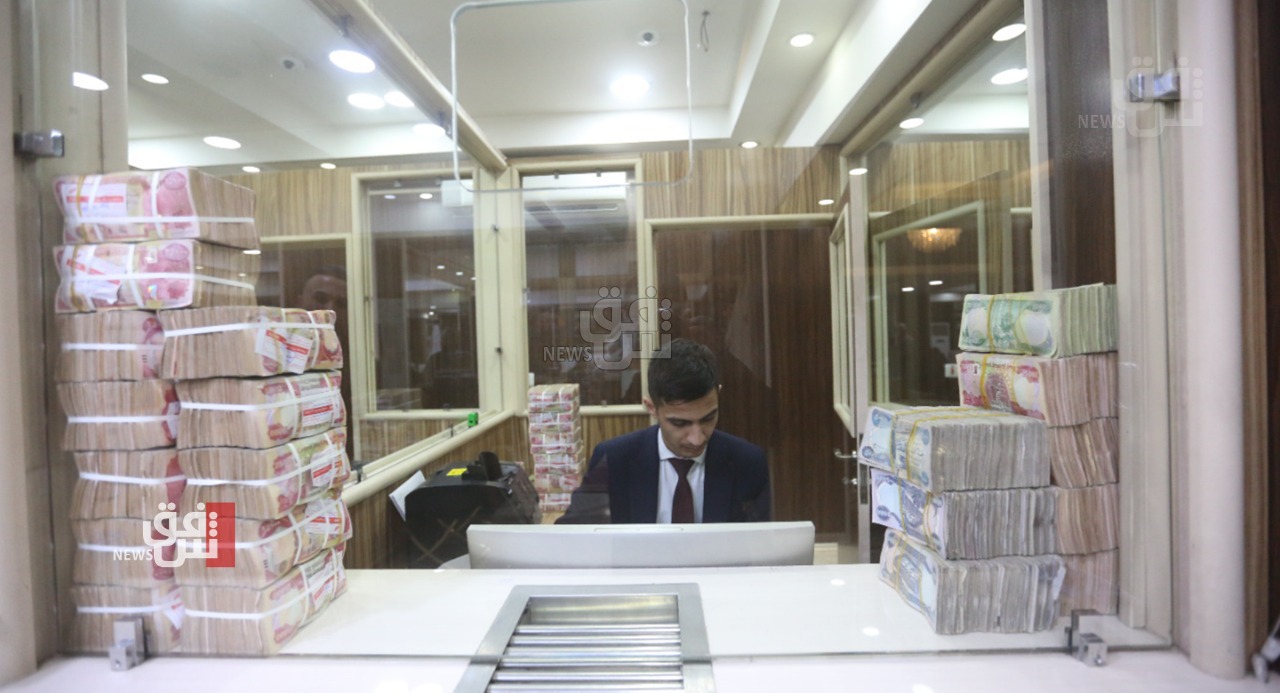 Shafaq News/ The State of Law Coalition, led by Nouri al-Maliki, described the current financial situation in Iraq as “very dangerous” on Saturday, warning that the salaries of public sector workers are now threatened by this situation.
Thaer Makhif, a member of the coalition, told Shafaq News Agency, “There is a real financial crisis that Mohammed Shia al-Sudani’s government is currently experiencing,” indicating that “this crisis is a real threat to employee salaries, as well as the funding of some important projects that directly affect the lives of citizens.”
He added, “This crisis has prompted the government to withdraw some tax deposits. These are standard government procedures aimed at paying salaries. Delaying these salaries and not providing them could cause major and dangerous disasters, including street explosions. That’s why the government has resorted to this option.”
Makhif continued, “There is no fear of a repeat of the theft of the century by withdrawing funds from tax deposits,” noting that “the withdrawal process is governmental and is carried out within legal frameworks. We in the House of Representatives are certainly following up and monitoring this through specialized executive and oversight bodies.”
An Iraqi cabinet source reported at the end of April that the government was considering canceling the 2025 budget due to the drop in oil prices, which has increased the country’s fiscal deficit.
The source told Shafaq News Agency, “The Council of Ministers did not formally discuss the budget schedules in its previous sessions, and Finance Minister Taif Sami informed the Council of Ministers that there is a large deficit in the budget schedules.”
He added, “Under current conditions, there will be no budget this year due to the decline in oil prices, which has directly impacted financial revenues and increased the deficit in the 2025 budget.”
The source explained that “if the budget is cancelled, Finance Minister Taif Sami may issue a decision to release bonuses and promotions for state employees that were halted and delayed due to the budget.”
On April 16, the Parliamentary Finance Committee warned against adjusting the price of a barrel of oil in the Iraqi federal budget due to the decline in global oil prices.
Committee member Jamal Kocher told Shafaq News Agency, “The price of a barrel of oil was set in the general budget law at $70 per barrel. At the time, the price of a barrel of oil was more than $70. It is not yet known whether the government has adjusted the price of a barrel of oil in the budget or not.”
Kocher pointed out that “the Iraqi state’s operating budget is only 90 trillion dinars, and if the price of a barrel of oil falls below $60 and is not addressed, this will plunge the country into a financial crisis, and the government will spend oil revenues on employee salaries only.”
The Iraqi Ministry of Finance emphasized earlier Saturday morning that the funds withdrawn from the government-owned Rafidain and Rashid banks do not represent citizen deposits or the banks’ insurance balances. Rather, they belong to the ministry’s sovereign accounts, were reserved as a temporary operating tool, and were redeployed in accordance with financial and administrative instructions for allocation within the general budget.
In an official statement, the ministry confirmed that some media outlets, social media platforms, and a number of MPs had circulated false information, as part of what it described as the promotion of lies and rumors for political and electoral motives. It considered this a form of electoral rhetoric that lacks moral responsibility.
The statement added that comparing these measures to experiences of banking collapses in other countries is inaccurate, ignoring the unique legal and regulatory structure of the Iraqi banking sector, which is subject to the Central Bank’s oversight and strict compliance and governance regulations.
The statement indicated that Rafidain and Rashid Banks maintain high liquidity and cash reserves that exceed the established ratios, and that they regularly perform their duties in disbursing salaries, financing projects, and fulfilling obligations to customers. It also indicated that Rafidain Bank’s legal reserve at the Central Bank amounts to approximately 9 trillion Iraqi dinars.
The ministry noted that the latest letter issued by the Central Bank, dated April 24, confirmed that Rafidain Bank’s unused reserves amounted to 4 trillion and 277 billion dinars, while its used reserves amounted to 4 trillion and 263 billion dinars, for a total of more than 8 trillion and 540 billion dinars, without any harm to them.
The statement explained that the thefts that previously affected some trust accounts were due to funds remaining idle for extended periods, allowing corrupt networks to exploit loopholes. It confirmed that new oversight measures have been implemented in coordination between banks and the Ministry of Finance to mitigate risks.
shafaq.com
