Is the Zaidi government afraid of being honest?
Is the Zaidi government afraid of being honest?
2026-05-23
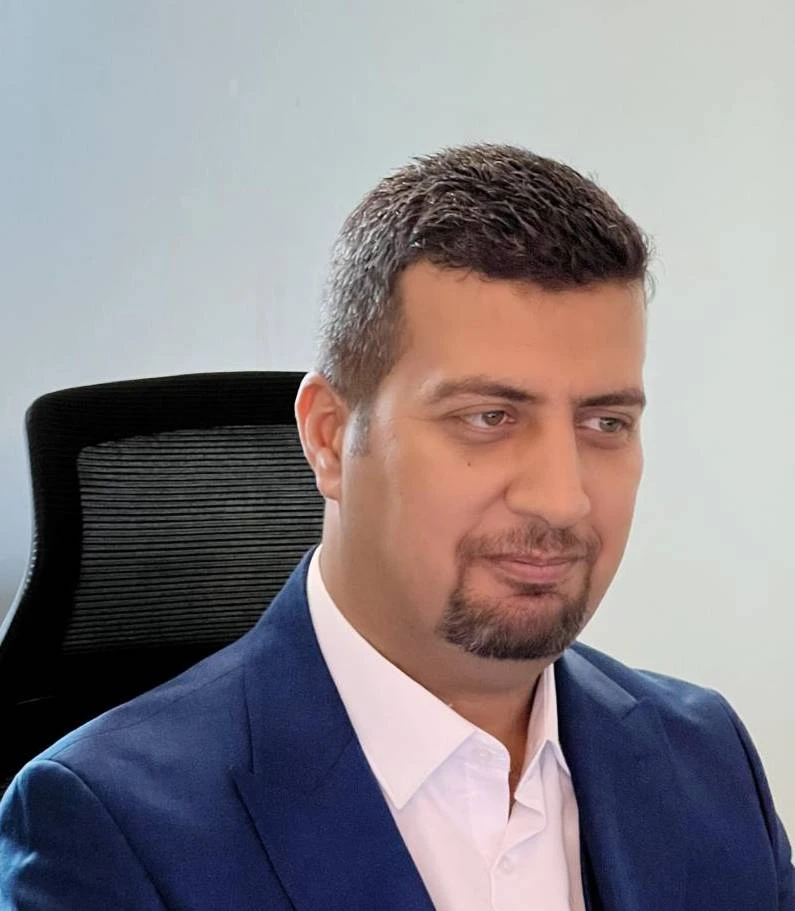 Ali Al-Hayani
It is clear that every new government that comes to Iraq seeks from its first days to achieve media successes and to present itself in a different light from previous governments. This behavior is no longer new to Iraqis, who are used to seeing propaganda campaigns and showy movements with every change of government. It seems that some governments realize that part of public opinion is influenced by the image and first impression more than the complex details related to running the state.
But behind this picture lie real challenges that cannot be ignored. Iraq still faces recurring financial crises and suffers from chronic problems in the energy and electricity sector, in addition to numerous economic and service-related issues that require radical solutions, not temporary fixes or media campaigns.
One of the most notable observations that can be made about successive Iraqi governments is that they often avoid direct transparency with citizens. Instead of speaking frankly about the extent of the existing problems and the available resources to address them, the focus is on highlighting the positive aspects and presenting an optimistic picture, even when the facts indicate the existence of significant difficulties.
It seems that Ali al-Zaidi’s government is not far from this approach. It is well aware of the extent of the financial pressures facing the state, and knows that the electricity file may be one of the most embarrassing files during the coming months, but it is still avoiding clear talk about these challenges in the way that the citizen expects.
When the government resorts to providing additional funds or borrowing early in order to secure employee salaries before the holiday, this raises questions about the true financial situation of the state. If there are financial pressures, citizens have the right to know their nature and causes, because transparency does not mean weakening the government, but rather strengthening trust between it and the people.
The same applies to the electricity file. Iraqis are not waiting for new promises from officials as much as they are waiting for accurate and honest information about what they might face during the summer. Therefore, talk of a difficult summer or a possible shortage in electricity supply should be seen as a description of reality and not a departure from official discourse. It seems that the dismissal of the official spokesman for the Ministry of Electricity, Ahmed Moussa, was due to his speaking frankly!
The problem is that many Iraqi governments still view acknowledging the problem as an admission of failure, while the truth is that denial or downplaying the magnitude of the crisis only leads to increased distrust when the results appear on the ground. The citizen is well aware that Iraq faces major challenges and does not expect magical solutions, but he wants to hear the truth as it is.
Experience has shown that transparency does not weaken governments but rather enhances their credibility. When citizens feel that officials are speaking honestly about both successes and failures, they are more willing to give the government the time and support it needs to implement its programs.
The success of any government is not measured by the number of press conferences, media campaigns, or high-profile decisions, but rather by its ability to confront crises with transparency and realism. Governments that merely create an image of success may achieve temporary gains, but they risk losing the people’s trust at the first real test.
Therefore, the question remains today: Will the Al-Zaidi government choose the path of candor and transparency with the citizens, or will it follow the traditional approach that previous governments were accustomed to, where managing the image is more important than facing reality?
shafaq.com
