Analysis of the Central Bank of Iraq’s instructions regulating the use of bank cards and their expected impact on the national economy.
Analysis of the Central Bank of Iraq’s instructions regulating the use of bank cards and their expected impact on the national economy.
4-26-2025
 Researcher Shaza Khalil*
The Central Bank of Iraq recently issued new instructions regarding updating employee and retiree data and regulating the use of bank cards outside Iraq. These measures aim to enhance transparency and compliance with international banking regulations, in addition to achieving monetary stability and supporting the national economy.
First: An overview of the Central Bank of Iraq
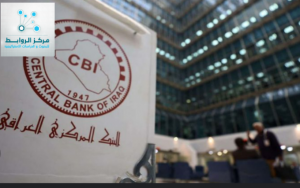
The Central Bank of Iraq was established under Law No. (43) of 1947 and officially began its operations in 1947, succeeding the National Bank of Jordan branch in Baghdad. Since its establishment, the Bank has played a pivotal role in managing monetary policy, regulating the banking sector, and ensuring the stability of the Iraqi dinar.
The Bank has witnessed several stages of development, especially after 2003, as it worked to modernize its institutional structure in line with international banking standards, with a focus on combating money laundering, supporting economic growth, and rebuilding its hard currency reserves.
Second: The content of the new instructions
Updating personal data for beneficiaries:
The instructions require financial institutions to update the files of employees and retirees, including official documents such as civil status IDs and residence cards, in addition to fully adhering to identity verification (KYC) procedures.
Regulating the use of bank cards outside Iraq.
The instructions specify the use of bank cards outside Iraq for travel and medical purposes only, with a monthly limit not exceeding $2,000 per person, and linking payment transactions to the commercial classification (MCC) to ensure that spending is directed towards authorized sectors.
Regulating and monitoring banking operations.
The instructions emphasized the need to link banking operations conducted via automated teller machines (ATMs) or points of sale (POS) to specific classifications, and to prevent the use of cards for any illegal activities.
Third: The expected economic impact
Enhancing exchange rate stability
by restricting the use of the dollar abroad and ensuring its use for genuine purposes only. These measures will help reduce demand for the dollar in the parallel market, positively impacting the stability of the Iraqi dinar.
Reducing money laundering:
The instructions place strict restrictions on illegal transactions that used to be carried out using bank cards, which will reduce money laundering outside the country.
Increasing confidence in the banking sector
: Strict adherence to Know Your Customer (KYC) procedures and new controls will contribute to raising the level of transparency and credibility within the Iraqi banking system, enhancing citizens’ confidence in the financial sector.
Supporting the balance of payments
by rationalizing external spending, Iraq’s external accounts are expected to gradually improve, strengthening the balance of payments position and limiting the depletion of foreign reserves.
Stimulating the local economy:
With the decline in speculation and the curtailment of foreign spending, financial liquidity may be directed towards productive sectors within Iraq, supporting opportunities for sustainable economic growth.
Fourth: Expected challenges
Despite the significant benefits expected, these policies may face resistance from some parties that benefited from the previous system. Furthermore, public awareness of the importance of these measures is needed to ensure their smooth and effective implementation.
Fifth: The Central Bank of Iraq and its vision for the future
Building on its extensive experience, the Central Bank of Iraq continues to implement a series of fundamental reforms aimed at making the Iraqi banking system more transparent and efficient. These instructions are part of a broader plan to support financial and monetary stability and achieve economic development goals within a more disciplined financial environment and modern international banking standards.
In conclusion, the recent instructions issued by the Central Bank of Iraq represent a strategic step toward regulating the banking environment and enhancing monetary stability, establishing a new phase of financial and administrative discipline that supports sustainable economic development in Iraq.
Economic Studies Unit / North America Office /
rawabetcenter.com
