An American institute expresses reservations about al-Zaidi: Iraq needs a reformer, not an administrator.
An American institute expresses reservations about al-Zaidi: Iraq needs a reformer, not an administrator.
2026-05-12
 Shafaq News – Special Translation
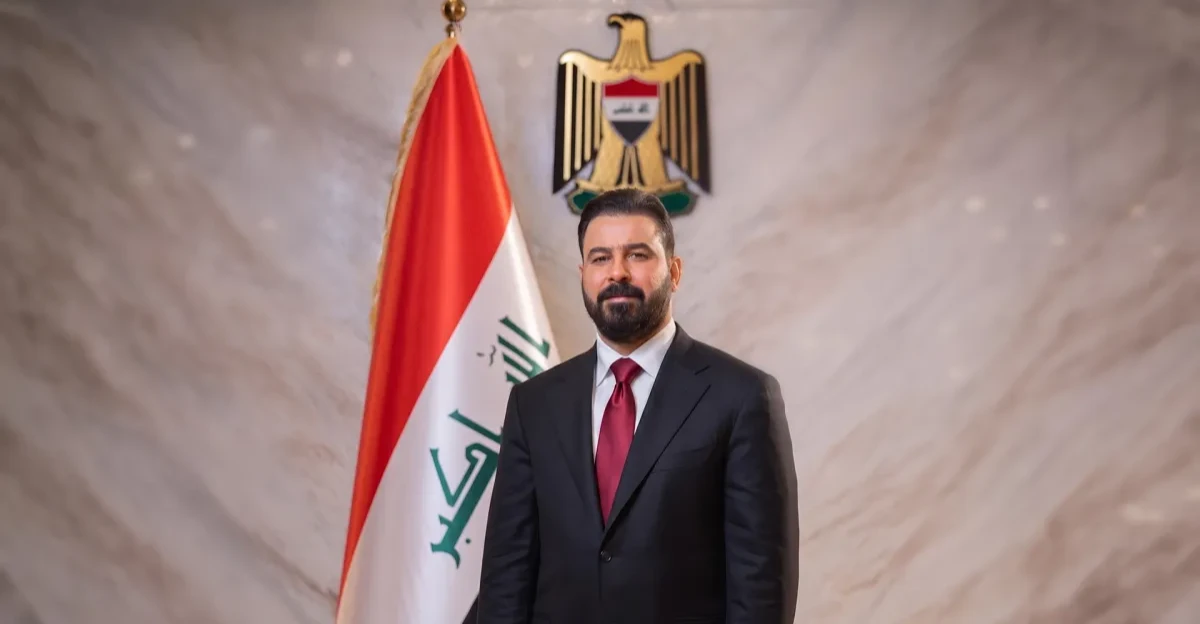
The American “Gulf International Forum” Institute presented a “pessimistic” picture of Ali al-Zaidi’s supposed term even before his government was formed, considering that the problems and challenges that Iraq suffers from require “reform, not administration,” including confronting the interests and influence of the elites.
After the American Institute indicated in a report entitled “ What Al-Zaidi Will Not Bring to Iraq, ” translated by Shafaq News Agency, that dropping Nouri Al-Maliki’s nomination and assigning Ali Al-Zaidi might be a “breakthrough” for those who are “strangers to Iraq,” it pointed out that Al-Zaidi’s nomination is for Iraqis another part of a “dysfunctional political system.”
The report reviewed the crises and problems facing Iraq, including chronic corruption, unruly armed groups, and the serious repercussions of the Gulf War, adding that Iraq urgently needs a “reformer,” but through al-Zaidi, it will get a “manager.”
In addition, the report addressed al-Zaydi’s lack of a political party, political base, or a real agenda of his own, noting that he represents “the ideal consensus candidate,” and his nomination reflects the continued “deterioration of the fragile political system in Iraq.”
He added that if he fails to form a government, the coordinating framework will have bought extra time, but if he succeeds in forming it, he will introduce a new phenomenon of non-political businessmen taking the reins of leadership.
After the report pointed out al-Zaidi’s lack of political experience and that his nomination came as a surprise, it noted that some of al-Zaidi’s supporters describe him as a technocrat, but the reality is quite different, as he is “part of the network of favored businessmen who secure state contracts through political connections.”
The report argued that if al-Zaidi succeeds in forming a government, he will be “subject” to pressure from the United States and Iran, noting that as the American-Israeli war on Iran reaches a boiling point, Iraq will bear the brunt of the consequences.
He explained that Washington pressured Baghdad to rein in the armed groups allied with Iran that launched attacks on the Gulf states, Jordan, and the Kurdistan Region, while Tehran used these same militias to raise the costs of the war for the United States and its Gulf partners, while the Iraqi government remained largely inactive towards these groups, for reasons including fear of an outbreak of conflict among Shiites and the elite’s interest in maintaining the status quo.
The report went on to say that, given his background, it is unlikely that al-Zaidi will change this dynamic.
In addition, the report also addressed the idea that al-Zaidi is inheriting a country facing major economic challenges, having suffered greatly from the current war, with oil production, the backbone of the economy, falling from 4.3 million to just 1.3 million barrels per day since the start of the war due to the government’s lack of a viable contingency plan.
The report argued that the core issue was not whether al-Zaydi would be able to form a government, but rather that the Shiite elite, after years of Nouri al-Maliki’s rule, concluded that a strong prime minister could threaten their interests, and therefore it was better to bring in an “unimportant” figure. For this reason, the prime minister’s office has, over the years, transformed from a truly leading role into an administrative position designed to preserve the interests of the elite.
Therefore, the report pointed out that the essence of what Iraq means is that the country’s major decisions are made almost entirely outside of state institutions, adding that the Iraqi elites have succeeded in tightening their grip on the country by preventing any possibility of reform.
Nevertheless, the report indicated that time may be running out for what it described as the “comfortable arrangement of the elites”.
The report went on to say that Iraq’s current position in the Middle East is unsustainable, as it constantly faces pressure from the United States to curb Iranian influence. It added that while some armed groups have been absorbed into the government and share the spoils with the rest, other groups refuse to engage and dedicate themselves to listening to orders.
The report added that another contradiction is Iraq’s excessive dependence on oil revenues, which represents the “Achilles’ heel” of the Iraqi economy, and that with the increasing population and the continued decline in oil revenues, the Iraqi government will face a huge crisis.
The Gulf International Forum concluded by saying: “These are two contradictions among many, and solving such problems is structural and not in the hands of al-Zaidi, nor any future Iraqi prime minister, but rather in the hands of an elite that has put its own interests before the interests of the state, with disastrous results.”
shafaq.com
