An American institute calls for stricter oversight of Basra’s oil exports.
An American institute calls for stricter oversight of Basra’s oil exports.
2026-08-28 06:41
 Shafaq News – Special Translation
The conservative American think tank , the Foundation for Defense of Democracies , has called for stricter monitoring and scrutiny of Iraqi oil exports from the port of Basra to ensure that Iran is not benefiting from them.
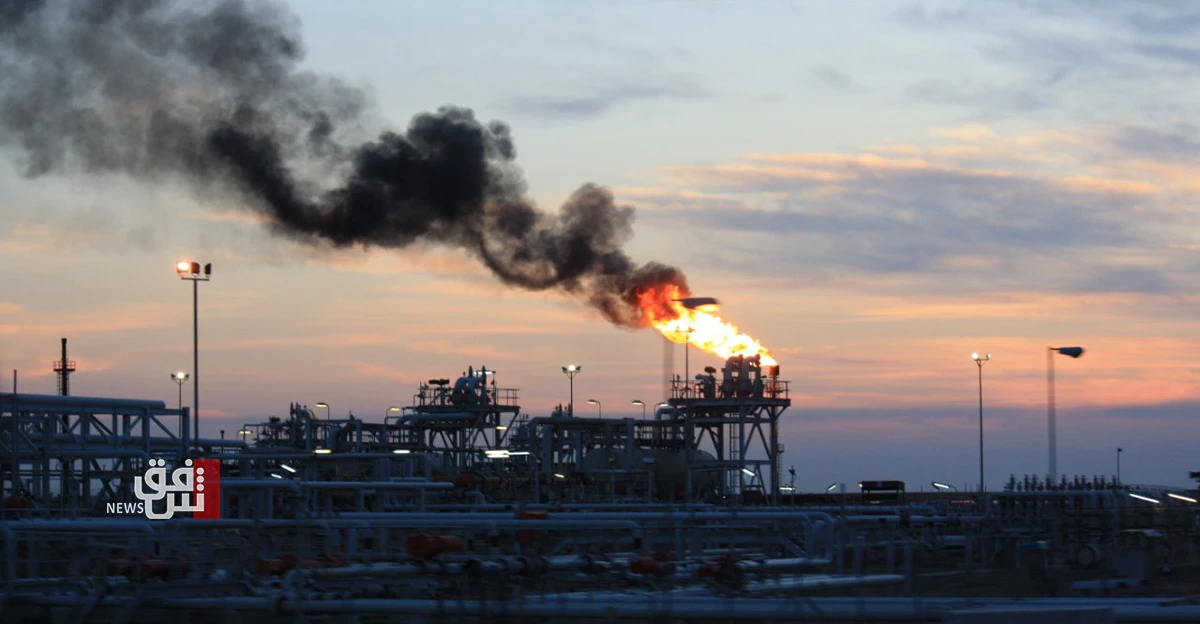
According to the American Institute, in a report translated by Shafaq News Agency, Basra, as a center for exporting Iraqi oil to the Gulf, now appears busier than it has been since the start of the war between the United States and Iran last February.
He recalled a report by the American website “Bloomberg” that included satellite images of seven tankers capable of loading about 13 million barrels of oil four days earlier, whereas in the weeks prior to that, only one or two tankers could be seen in satellite images at the port docks.
The report spoke of increased confidence from the Iraqi company SOMO in its ability to transport oil across the Gulf by selling and transporting it to be loaded from outside the Strait of Hormuz, while the Abu Dhabi National Oil Company had offered to transport Iraqi oil via the Omani coast.
After the report noted that Iraqi President Nizar Amidi said on August 22 that Iran had facilitated the passage of some Iraqi ships through the Strait of Hormuz, indicating the possibility of using the Iranian route, the report said that despite Iraq’s urgent need to restore its exports through Basra, the Iranian regime could benefit by smuggling illicit Iranian oil, or by imposing fees on Iraqi exports passing through the strait.
The report addressed the importance of Basra as a key outlet for Iraq’s exports, as about 90% of the production is in Iraq’s southern oil fields, which must be exported through Basra, because the country lacks pipeline infrastructure to transport oil north.
He pointed out that before the last war, Basra accounted for 94% of Iraq’s oil exports, which provided more than 90% of the country’s budget.
However, the report noted that the southern export terminal was not used solely for Iraqi products, pointing out that the US Treasury Department had repeatedly identified Iranian plans to smuggle oil through Iraq, particularly from Basra.
He explained that the method involves mixing Iranian and Iraqi oil and then taking the product to the market as if it were solely Iraqi, which helps to evade US sanctions imposed on Iranian oil and allows Tehran to sell its oil at market prices.
The report noted that Washington should not allow legitimate Iraqi exports to generate profits for Iran, explaining that Basra is indispensable for Iraq, but this does not mean that every ship must obtain a free permit.
Specifically, the report said that Washington must monitor the loading of ships in Basra and communicate with trusted Iraqi officials to ensure that the oil is a fully legal Iraqi product.
The report went on to say that if the US Central Command (CENTCOM) or US intelligence organizations have doubts about a ship, it should not be allowed to violate the embargo until it can confirm that its cargo is Iraqi.
The administration of US President Donald Trump must also obtain clarifications regarding Iran’s permission for Iraq to facilitate the passage of its oil through the Gulf waters and its export via Hormuz, noting that neither Baghdad nor Tehran has provided details of this agreement.
The report explained that if the agreement included Iraq paying fees to Iran in response to Tehran’s demands, that would be a violation of US sanctions.
The report concluded by saying that this would contradict the “economic pariah” process announced by Washington a few days ago with the aim of isolating Tehran financially, and that Iraq cannot be exempted from the repercussions of financial support for Iran.
shafaq.com
