Al-Sudani’s advisor to Shafaq News: Three factors behind the dollar’s decline in Iraq
Al-Sudani’s advisor to Shafaq News: Three factors behind the dollar’s decline in Iraq
2025-05-08 02:35
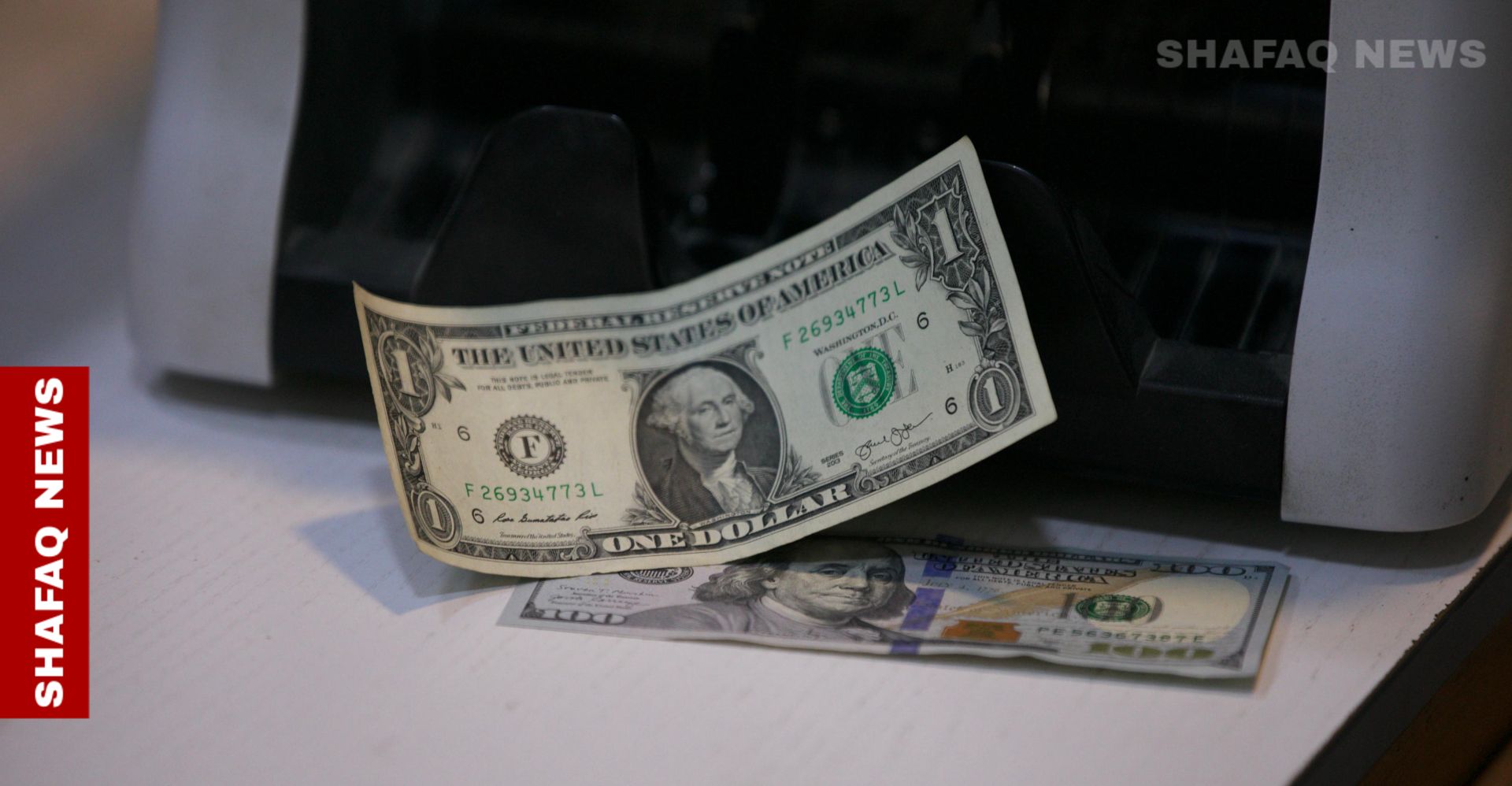 Shafaq News/ The financial and economic advisor to the Prime Minister, Mazhar Mohammed Salih, revealed on Thursday the reasons for the rise in the value of the dinar in the parallel exchange market against the dollar.
Saleh told Shafaq News Agency, “There are three main factors that have led to weak demand in the parallel market for the dollar, causing its price to decline toward the official exchange rate, with an average change in favor of the dinar of about 15% over the past few weeks or months.”
Regarding the first factor, Saleh explained that it is represented by “the success of the Central Bank of Iraq in financing foreign trade for the private sector and major traders by rapidly strengthening the dollar with correspondents of national banks abroad, rated AAA.”
He continued, “In addition to the commencement of direct financing for foreign banking operations in euros, Emirati dirhams, and Chinese yuan through banking correspondents for Iraqi banks with the highest credit ratings, this has encouraged the speed of payments and transfers in trade with the UAE, Turkey, and China, which are among Iraq’s largest commercial shopping centers.”
Al-Sudani’s advisor added, “The second factor is encouraging the financing of small businesses without costly intermediaries. This business represents approximately 60% of private sector trade, after many of the restrictions previously imposed were lifted and transactions were conducted through the same reputable correspondent banks and directly through Iraqi banks.”
The third and most important factor, according to Saleh, is that “the success of the traveler segment has been that they have quickly become accustomed to collecting their dues in foreign currency through payment cards in large amounts at a reduced cost and at an exchange rate of 1,320 dinars per dollar. This is in addition to the hassle-free collection of cash dollars through Iraqi airports, at an amount of 3,000 dollars at the official exchange rate for each traveler per month, provided they carry an electronic payment card, whether credit, debit, or prepaid, as we mentioned earlier.”
He continued, “In addition to the legal accountability that exists for dealing in dollars on the black market, which citizens do not need, and finally the risks of the dollar’s extreme fluctuations against gold, individuals tend to keep their financial surpluses in gold and sovereign government bonds, which are guaranteed to pay and pay attractive semi-annual interest under a successful government program offered to the public, and in debt instruments that can be discounted or traded on the local secondary market.”
Saleh emphasized that “all these factors helped reduce demand for the dollar in parallel local markets, without overlooking the role played by hypermarkets in maintaining a defensive and price-stabilizing policy that undermined the role of the parallel market and its price impact on consumer prices and the stability of the competitive market across the country.”
Al-Sudani’s advisor considered the hypermarket experiment a success, as it absorbed the fluctuations of the black market to stabilize living conditions, as was the case in the past. This is a successful aspect of the trade policy in our country today.
Saleh concluded by pointing out that “the rush to buy gold at high costs at the peak of the gold asset cycle, or at its highest price levels, is replacing the purchase of local dollars amid unconfirmed, veiled threats circulating in the public that the Federal Reserve will write off generations of cash dollars for reasons that conflict with US political interests.”
shafaq.com
