Al-Zaydi: American concerns about dollars reaching the factions have affected cash supplies.
Al-Zaydi: American concerns about dollars reaching the factions have affected cash supplies.
2026-10-24
 Shafaq News – Baghdad
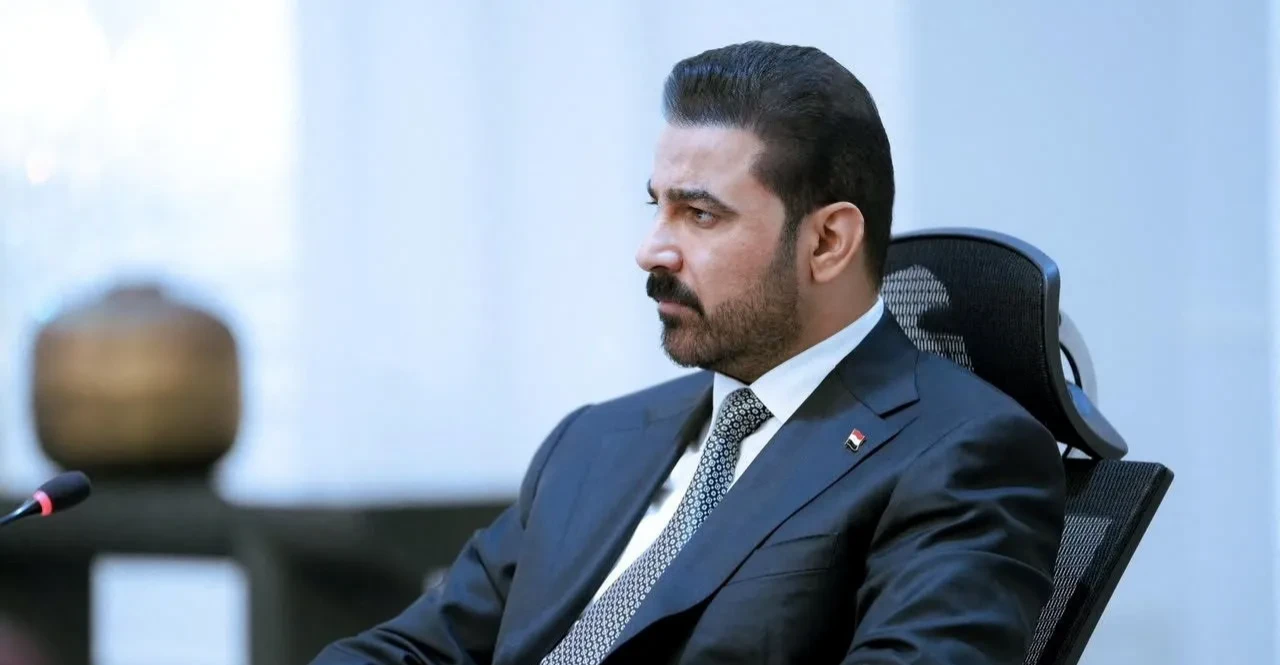
Iraqi Prime Minister Ali al-Zaidi said on Friday evening that American concerns about dollars reaching the factions have affected the volume of cash supplies, while noting that the Iraqi government aims to obtain payments of up to $2.5 billion to address the exchange rate gap.
Al-Zaydi added in an interview with Al-Iraqiya channel, which was monitored by Shafaq News Agency, that “the Iraqi government has increased the supply of cash dollars from 140 million to half a billion dollars per month, and is working to increase shipments of American cash dollars to more than one billion dollars per month.”
He stressed that “the government is working to bring the dollar exchange rate back to 155,000 dinars or less,” noting that “previous reductions in the dollar exchange rate did not benefit the citizen, and the differences went to speculators.”
The Prime Minister explained that “the high exchange rate supports the industrial and agricultural sectors and enhances the competitiveness of Iraqi products,” noting that “some neighboring countries are flooding the Iraqi market with their surplus production, which weakens the ability of local products to compete.”
In the oil file, he said that “there was one million barrels being sold to the Ministry of Oil at a price of 5,000 dinars per barrel, and this matter contributed to creating loopholes for corruption. The price of locally supplied oil was re-evaluated, which provides the treasury with about 20 trillion dinars annually.”
He added that “80 trillion dinars in revenues are expected within four years of changing the pricing of local oil,” noting that “the government has imprisoned those involved in corruption in the Ministry of Oil contracts and subjected the contracts to auditing.”
He explained that “oil exports fluctuate between halting and exporting due to regional conditions, and we are working on a pipeline network to export oil so that Iraq does not remain hostage to the Strait of Hormuz. We also seek to reactivate the Ceyhan route and diversify oil export outlets.”
The Prime Minister stressed that “the Hormuz crisis deprived Iraq of benefiting from the rise in oil prices.”
Regarding fees and taxes, Al-Zaydi pointed out that “the government waived revenues from fees and taxes to bring in basic goods at lower prices,” explaining that “the exemption decisions included fruits and vegetables, most food items, medicines, and solar energy equipment and systems.”
The Prime Minister concluded that “the government is thinking about the citizen’s interest and is seeking to alleviate the economic pressure on him.”
Regarding the relationship with Washington, Al-Zaydi confirmed that “American companies have begun working with Iraq and have started implementing projects within the areas of joint cooperation,” noting that “the United States was chosen as a strategic partner based on its technological and economic capabilities.”
He added that “the partnership with Washington and the development of the energy sector will make Iraq’s influence in the region and the world different from previous years,” stressing that “increasing oil production will enhance Iraq’s position as one of the influential countries in the global energy market.”
Al-Zaydi stressed the continuation of visits to other countries to strengthen political, economic and investment relations, explaining that “developing Iraq’s foreign relations is an essential part of the state-building project.”
On the other hand, Al-Zaydi said that “the four deputy prime ministers do not receive salaries and we have not appointed new employees for them,” adding: “I asked my deputies to be field-oriented and to visit the governorates, ministries and departments to find out the needs of the people.”
He revealed that “the government terminated the work of 72 advisors and created four positions for deputy prime ministers without additional costs,” noting that “the three new ministries did not add any job burdens to the budget.”
Regarding the challenges facing the government, Al-Zaydi revealed that he had been exposed to “threats and dangers during the past five months,” stressing, “I will not back down, we will not abandon our responsibilities, and we will continue to perform our duties until the last moment of the government’s term.”
Al-Zaydi also revealed that he had refused to take over the position twice before, adding: “I am confident that whoever comes after me will complete the project of building the state and the nation.”
He believes that “building national identity is the responsibility of the government, political forces, and community institutions,” stressing that “the government is working on a project to build a strong and stable Iraqi state.”
He added that “the government faces a great national responsibility concerning the fate of about 50 million people,” noting that “demonstrating is a constitutional right and we will listen to all the demands of the protesters.”
shafaq.com
