“Full nominal salary then half of it”… Parliament to vote on employee leave law tomorrow
“Full nominal salary then half of it”… Parliament to vote on employee leave law tomorrow
2026-10-24
 Shafaq News – Baghdad
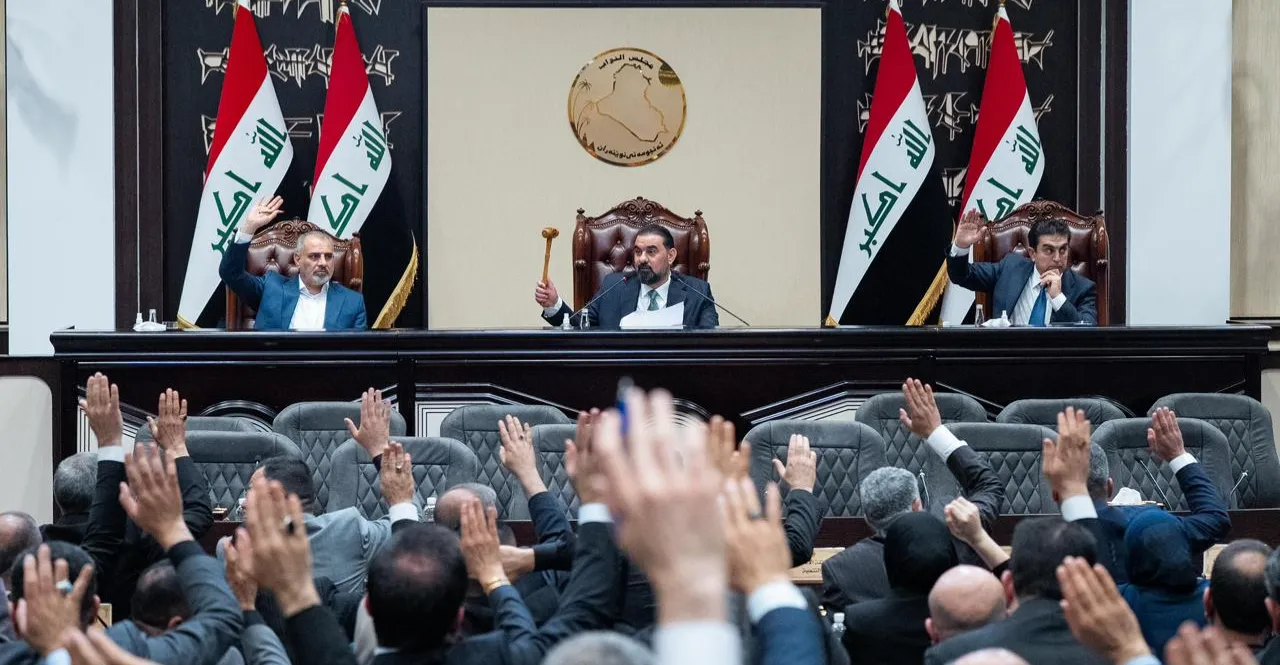
On Saturday, Ibtisam Al-Hilali, a member of the parliamentary legal committee, announced that the House of Representatives will vote on Sunday on a proposed law to grant employees long regular leave, stressing that the law is considered one of the important pieces of legislation and has been separated from the draft federal budget law.
Al-Hilali told Shafaq News Agency that the law grants the competent minister, or the head of the entity not affiliated with a ministry, or the governor, or whoever he authorizes, the authority to grant an employee who is confirmed on the permanent staff, and whose actual service in the job is not less than two years, a regular leave for a period of five years that is renewable once.
She added that the leave is granted with a full nominal salary during the first five years, and with half the nominal salary during the second five years, noting that the authorities authorized by law are also entitled to grant the employee, at his request, a regular leave for a period of six months without pay.
Al-Hilali added that the leave period is counted as service for retirement purposes, provided that the employee pays the retirement deductions, while the educational certificate obtained by the employee during his leave is not counted for the purposes of applying the law.
The Iraqi parliament announced last Thursday that the agenda for its next session includes voting on a proposed law to grant employees a long regular leave.
The proposal sparked a debate earlier regarding its financial and administrative implications, particularly concerning nominal salary, job grade, and the calculation of leave periods for service and retirement purposes, amid calls for clear controls to balance the employee’s rights with the state’s need to manage its staff and protect public funds.
shafaq.com
