Towards a new vision of economic sovereignty
Towards a new vision of economic sovereignty
2026-09-30
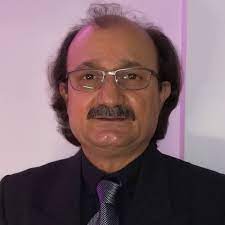 Jalal Baqir
In light of the rapid international transformations, Iraq finds itself at a critical juncture that requires a reassessment of its economic tools, particularly those related to the oil sector, which forms the backbone of its national economy. With increasing external pressures and the growing need to protect national decision-making from indirect influences, a fundamental question arises: How can Iraq strengthen its economic independence without entering into international conflicts?
This question is no longer theoretical but has become part of the public debate within political and economic circles, especially after a series of events that brought back to the forefront the issue of financial sovereignty and the need to diversify the state’s tools for managing its resources.
For decades, Iraq has relied on a single financial model for managing its oil exports, a model that proved effective at certain stages, but today it places the national economy in a position of direct vulnerability to international decisions, whether they are sanctions, financial restrictions, or changes in global monetary policies.
Current geopolitical shifts, the rise of new economic powers, and the expansion of international blocs are all factors that are pushing oil-producing countries to reconsider their financial mechanisms to ensure that their resources are protected from external fluctuations.
It is clear that Iraq is not seeking to confront any country or axis, but rather to build self-reliance that allows it to make independent economic decisions. This requires a gradual vision that begins with symbolic measures with political significance, then develops into calculated practical steps implemented with trusted partners and evaluated periodically to ensure that no economic disruption occurs.
Adopting a gradual approach allows Iraq to test new tools and expand its financial options without exposing its economy to unforeseen shocks.
No country can strengthen its economic independence without developing its financial and banking infrastructure. This includes diversifying monetary reserves, enhancing cooperation with international financial institutions, developing payment systems, and strengthening the banking sector.
These steps are not merely technical procedures, but rather part of a long-term sovereign project aimed at making the Iraqi economy more resilient and better able to withstand external pressures. Iraq possesses a strategic location that makes it a pivotal player in the region, and it is capable of building balanced relationships with various international powers without bias or subservience. Adopting a more independent economic policy does not mean withdrawing from the global financial system, but rather reformulating the relationship with it in a way that prioritizes Iraq’s interests. This vision requires a calm political discourse and clear diplomatic messages that emphasize that Iraq seeks to protect its economy, not to challenge anyone.
Strengthening economic sovereignty is not a slogan but a national project, one that begins with small steps but culminates in building genuine national capacity, enabling Iraq to be a respected partner in its international relations, not a subordinate to any power. Under the current circumstances, it seems the time has come to open this discussion at the national level and to search for new mechanisms that guarantee Iraq’s economic independence and protect the interests of its people in a rapidly changing world.
shafaq.com
