The Federal Court issues a ruling overturning a previous decision that prohibited non-Iraqis from owning and investing in property.
The Federal Court issues a ruling overturning a previous decision that prohibited non-Iraqis from owning and investing in property.
2026-10-27
 Shafaq News – Baghdad
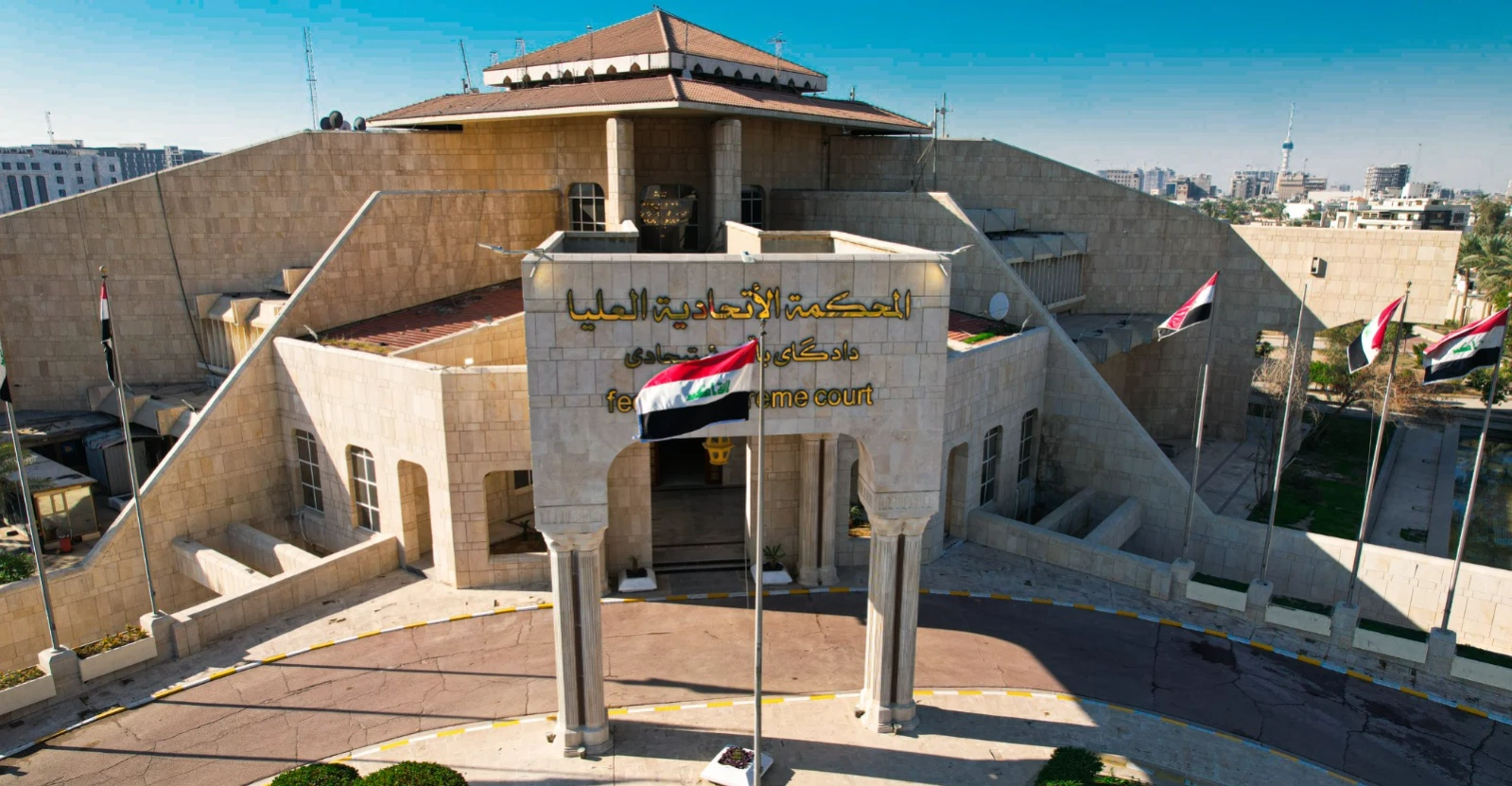
The Federal Supreme Court (the highest judicial authority in Iraq) ruled on Tuesday that a decision by the (dissolved) Revolutionary Command Council to suspend the implementation of laws and decisions that prevent non-Iraqis from owning and investing their money in companies within Iraq was unconstitutional.
A statement issued by the court said that “The Supreme Federal Court held a session chaired by Judge Munther Ibrahim Hussein and attended by all the member judges, and considered a lawsuit filed by the Prime Minister, in addition to his position, against the Speaker of Parliament, in addition to his position.”
He pointed out that “the lawsuit focused on requesting a ruling that the dissolved Revolutionary Command Council Resolution No. (23) of 1994, as amended by the dissolved Revolutionary Command Council Resolution No. (33) of 1997, is unconstitutional.”
The statement explained that “the contested decision included suspending the work under the laws and decisions that permit non-Iraqis to own and invest their money in companies within Iraq and everything that would lead to ownership or investment in any way whatsoever, and punishing the violator of the provisions of this decision with imprisonment for a period of not less than one year and not more than three years. If the violator of the provisions of this decision is an Iraqi, the punishment shall be imprisonment for a period of not less than two years, with the confiscation of the money that was owned or invested in violation of the provisions of this decision.”
The court noted that “the court ruled that the contested decision was unconstitutional because it violated the provisions of Articles (23/Third/A), (25) and (26) of the Constitution of the Republic of Iraq of 2005,” noting that “the ruling decision was issued unanimously and is binding on all authorities based on the provisions of Article (94) of the Constitution, and was publicly announced.”
shafaq.com
