“The end of the world”: A specter haunting Americans and driving them to stockpile supplies
“The end of the world”: A specter haunting Americans and driving them to stockpile supplies
2026-11-20
 Shafaq News – Follow-up
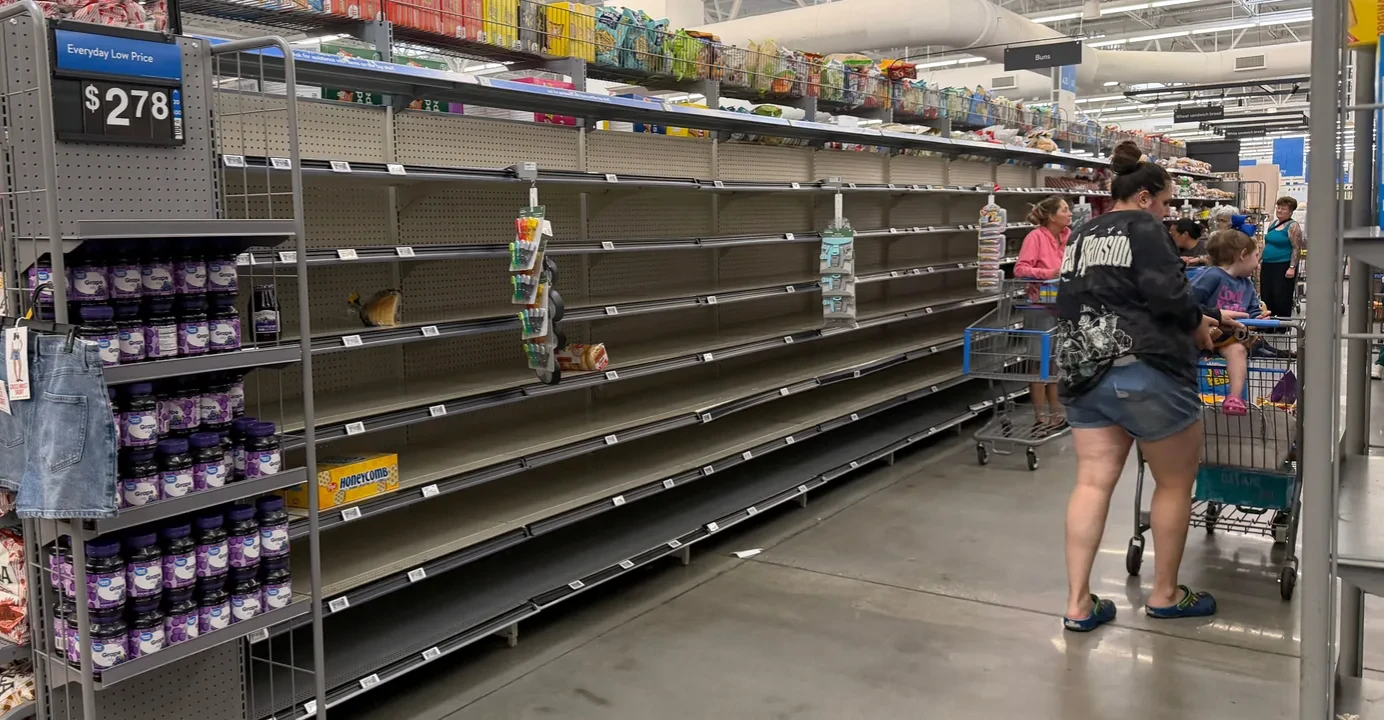
Amid rising fears of technical malfunctions and cyberattacks, and growing concern about the implications of artificial intelligence, Americans have begun to act as if the world is preparing for a catastrophic scenario, rushing to stockpile food, water, and emergency supplies to confront what is known as “doomsday preparedness.”
Bloomberg News reported that major retailers have already begun to clearly see this shift in consumer behavior.
Walmart, the largest retailer in the United States, said demand has risen for propane cylinders, bottled water, and camping equipment, while Costco noted a growing interest among shoppers in purchasing rice, canned goods, and other items that can be stored for extended periods.
Tractor Supply, for its part, confirmed that sales of generators, liquid storage tanks and propane accessories are registering remarkable growth this year, noting that these categories are growing at a faster pace than most other product groups for the first time, according to Bloomberg.
According to the agency, Nick Moody, an analyst at RBC Capital Markets, believes that a combination of government messaging and widespread anxiety on social media has contributed to moving the phenomenon of emergency preparedness from the margins to the mainstream of American consumption.
Modi explained that one of the main sparks was a directive issued by the US Department of Defense in late September regarding military readiness, which was misinterpreted on social media platforms, particularly TikTok, as an indication of a possible widespread power outage lasting 90 days.
Emergency preparedness campaigns in several countries, including Britain, Germany, Japan and Norway, have contributed to increased consumer anxiety.
This wave of concern came in conjunction with a series of technical glitches that have preoccupied public opinion in recent weeks.
Microsoft’s Outlook email service and several productivity tools suffered a sudden outage due to a technical glitch, the US aviation sector experienced disruptions that led to flight cancellations, and JPMorgan Chase bank customers faced difficulties in transferring funds.
Apple was not far from the list, as it too faced operational problems, and a secret internal communications network used by the US National Security Agency suffered a sudden outage, increasing concerns about the reliability of the digital systems on which modern economies depend.
In addition to technical glitches, there are growing concerns about the role artificial intelligence may play in the future, whether by enabling hostile actors to carry out more sophisticated cyberattacks or by accelerating the discovery of security vulnerabilities.
A Quinnipiac University poll reflects this anxious mood, showing that 73 percent of Americans are worried that future artificial intelligence systems could pose an existential threat to humanity.
But warnings are mounting that any new geopolitical shock, cyberattack on critical infrastructure, or escalation in official warnings could prompt consumers to quickly shift from precautionary stockpiling to panic buying.
shafaq.com
