The dollar hits the 200,000 toman mark in Iran, its lowest level in history.
The dollar hits the 200,000 toman mark in Iran, its lowest level in history.
2026-08-23
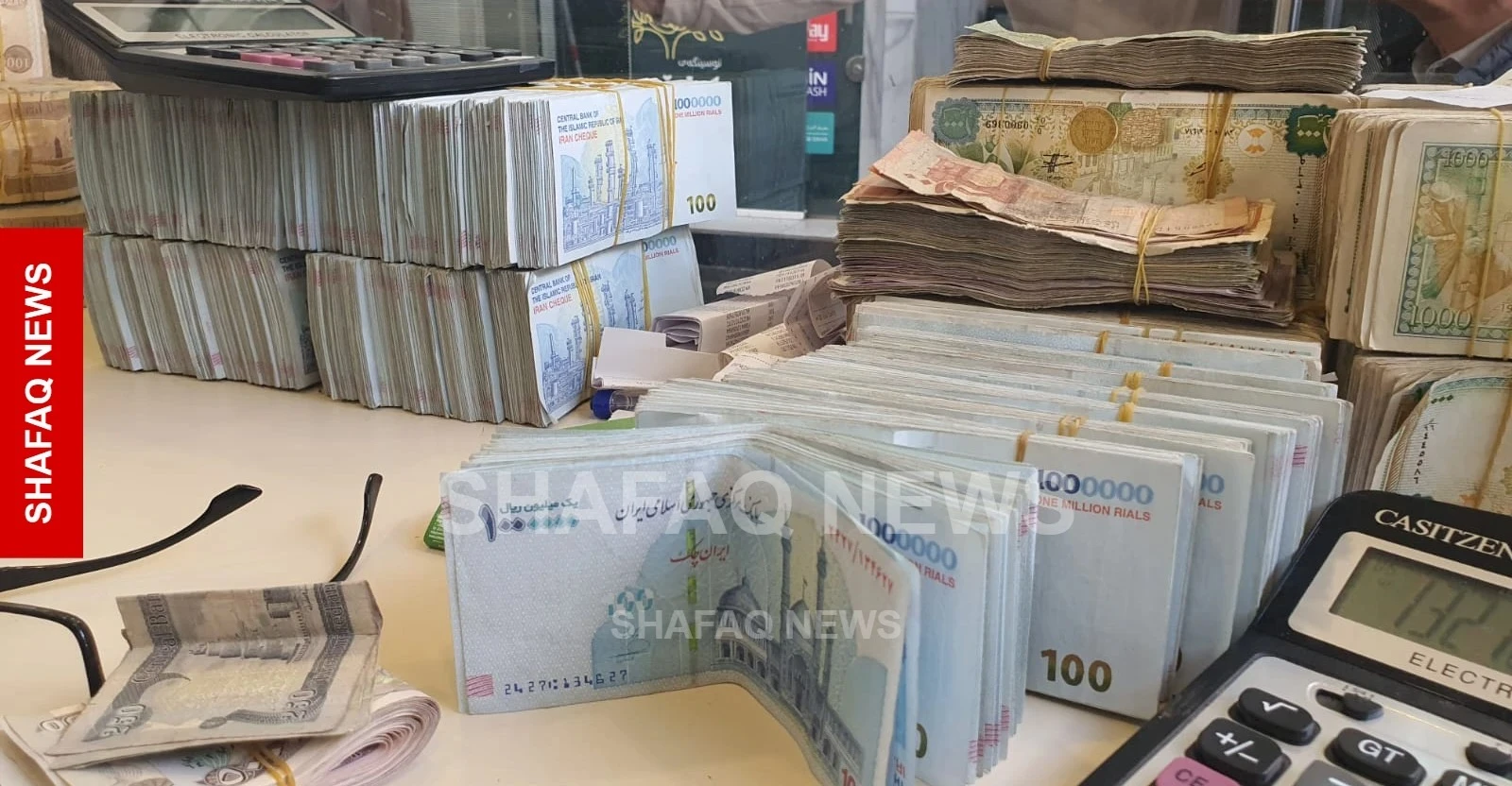 Shafaq News – Tehran
On Sunday, the US dollar approached the 200,000 toman mark in the Iranian free market, recording a new historical level, amid accelerating demand for foreign currencies and escalating fears of a new US sanctions package, at a time when the Iranian economy is suffering from the repercussions of war, inflation and declining hard currency revenues.
Data from the Iranian Gold and Currency Information Network (TGJU) showed the dollar trading near 198,000 tomans, while other prices in the free market showed selling prices approaching 200,000 tomans, with prices varying between trading platforms and money changers due to the informal and fragmented nature of the market.
Sources monitoring the market recorded a selling price of about 197,950 tomans per dollar, compared to about 195,950 tomans for buying, after it started last week at about 186,500 tomans, which means it rose by more than 6% in less than a week.
The recent surge puts the Iranian currency in front of the psychological barrier of 200,000 tomans to the dollar for the first time, after the dollar had been hovering around 100,000 tomans just about 15 months ago, while it took about 15 years to move from the level of 1,000 tomans to 100,000 tomans.
Traders and analysts attribute the rapid rise to a range of factors, primarily high inflation, increased demand for foreign currencies as a safe haven, declining foreign exchange inflows, as well as concerns about tightening US sanctions and continued uncertainty about the future of the confrontation between Tehran and Washington.
The new surge came ahead of US President Donald Trump’s announcement of a new package of sanctions against Iran.
Iran is already facing severe economic pressure after nearly six months of war that began with US and Israeli strikes on February 28, while political negotiations remain stalled despite a recent decline in direct military confrontations between the two sides.
Oil traffic through the Strait of Hormuz has also been largely disrupted, coinciding with a US blockade of Iranian ports, which has doubled the pressure on trade and foreign currency flows.
shafaq.com
