“The bank didn’t announce it”: Hussein reveals the printing of 25 trillion Iraqi dinars and warns of a catastrophe.
“The bank didn’t announce it”: Hussein reveals the printing of 25 trillion Iraqi dinars and warns of a catastrophe.
2026-06-07
 Shafaq News – Baghdad
Iraqi Foreign Minister Fuad Hussein revealed on Saturday that the government has resorted to printing 25 trillion dinars to address the financial crisis, warning that the continuation of the current situation could lead to a “financial catastrophe” in the country, given the decline in revenues related to oil exports.
Hussein said in an interview on the Iraqi channel “Al-Sharqiya” that the continued closure of the Strait of Hormuz threatens to create a severe economic crisis in Iraq, stressing that this matter may affect the government’s ability to secure salaries during the coming period, which he described as “true” if the crisis continues.
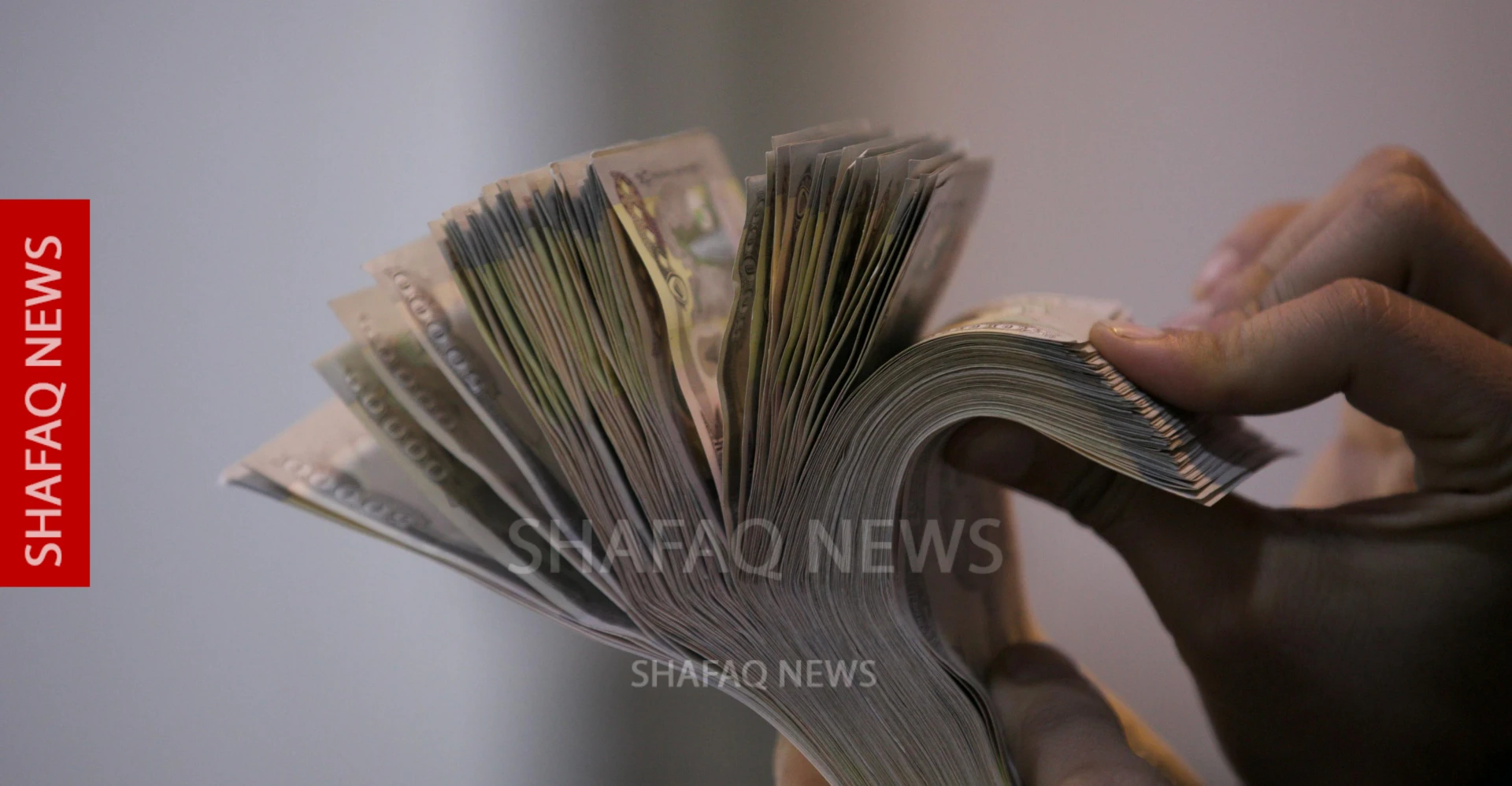
He added that the government resorted to printing 25 trillion dinars to confront financial pressures, explaining that this step raised Iraq’s nominal financial capacity to 125 trillion dinars after it had been between 100 and 104 trillion dinars, noting that the Central Bank has not announced this yet.
Hussein stressed that printing money is not a solution to the crisis, but may lead to higher inflation rates and repercussions on market prices and purchasing power, noting that the country was in a relatively better position with regard to inflation before these developments.
He added that salaries are currently being financed by relying on reserves, loans, and internal debt, in the absence of sufficient revenues, noting that the continuation of the war until the end of 2026 may greatly exacerbate the financial crisis.
The minister explained that there are attempts to increase oil exports to between 500,000 and 700,000 barrels, considering that current oil prices are relatively helpful, along with measures related to transporting and exporting oil via tankers, but these solutions, as he put it, are “partial and do not solve the problem.”
He pointed to the need to open up to Gulf and Western countries and to request assistance to cope with the current financial circumstances.
The Iraqi economy is almost entirely dependent on oil, which accounts for about 90 to 95% of budget revenues, making any disruption to exports a direct challenge to the government’s ability to finance operating expenses, especially salaries, pensions and social welfare, with a monthly need estimated at about 9 trillion dinars ($6.8 billion).
Experts suggest that the continued halt or decline in exports may push Iraq to rely on part of its foreign reserves, which could affect monetary stability if the crisis lasts for a long time, given the limited reliance on export alternatives or non-oil revenues.
The war between the United States and Israel on one side and Iran on the other has caused an almost complete paralysis of navigation in the Strait of Hormuz, which has led to a decrease in Iraqi exports to less than 800,000 barrels per day and losses estimated at about $128 million per day, according to the “Eco Iraq” Observatory, amid rising shipping and insurance costs and increasing fears of global economic repercussions due to the importance of the strait through which about 20 million barrels of oil pass per day.
shafaq.com
