Legal note: Al-Zaydi’s orders exceeded his authority, and judicial interpretation did not confirm their constitutionality.
Legal note: Al-Zaydi’s orders exceeded his authority, and judicial interpretation did not confirm their constitutionality.
2026-11-28
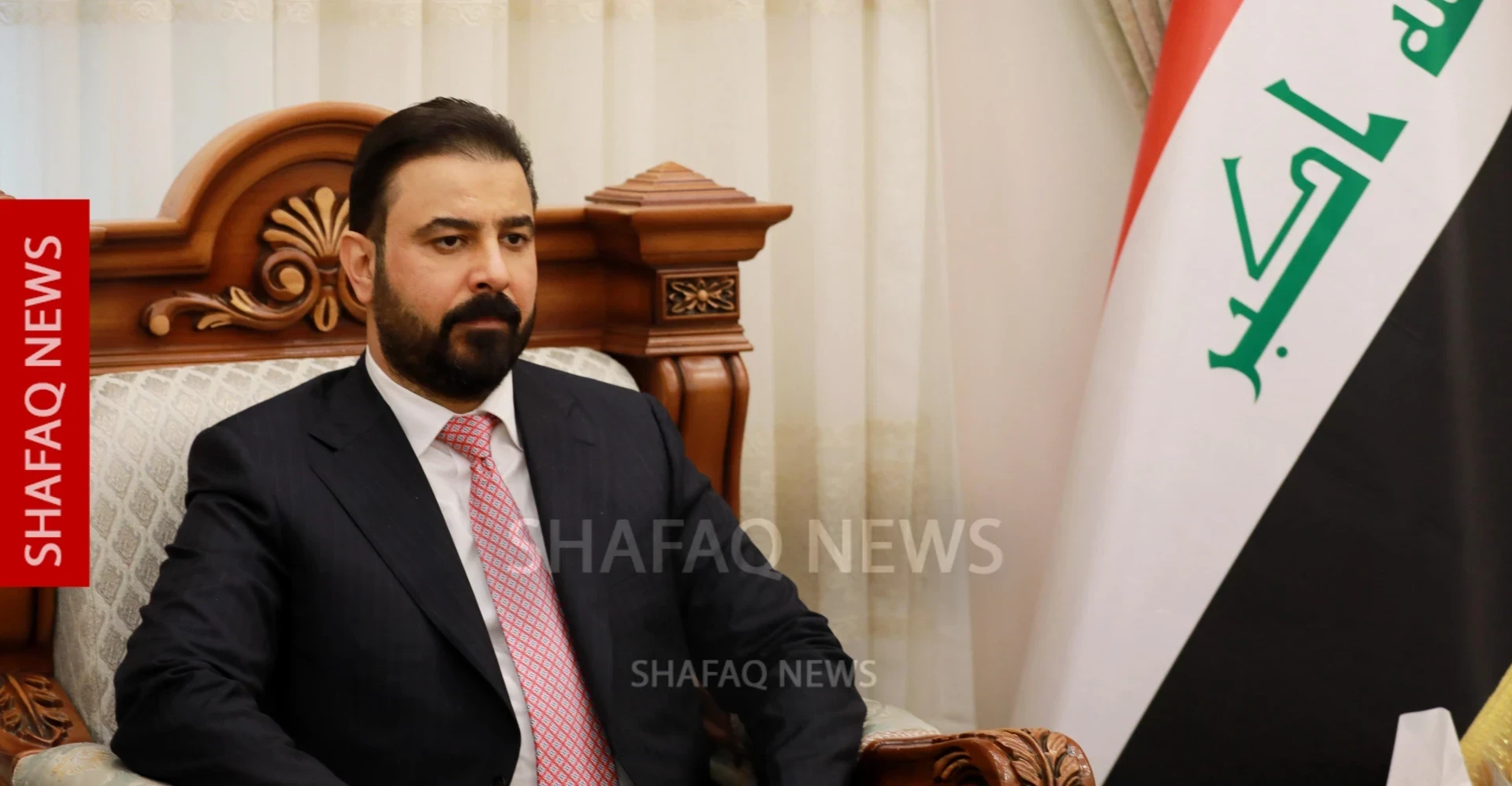 Shafaq News – Erbil
A legal memorandum prepared by the Kurdistan Decision Foundation concluded that the recent interpretative decision of the Supreme Federal Court did not rule on the constitutionality of the orders issued by Iraqi Prime Minister Ali Faleh al-Zaidi regarding the Kurdistan Region, while it noted what it described as violations of the powers of the Council of Ministers and selectivity in the interpretation of constitutional texts, and suggested granting the regions the right of veto in cases that affect their constitutional entity.
The memorandum, which is 13 pages long, addressed the orders issued by al-Zaydi on the 24th of this month regarding border crossings, oil fields and disputed areas, and the Federal Court’s interpretative decision No. (268/Federal/2026), issued the following day by a majority and with two members of the court dissenting.
The organization said that the court did not mention al-Zaidi’s orders anywhere in its decision, nor did it rule on their constitutionality, but rather answered six general questions about the meanings of the constitutional texts.
She explained that some of those orders were not addressed in the explanatory decision at all, including the establishment of laboratories to test petroleum derivatives at the entrances to the governorates of Erbil, Sulaymaniyah and Duhok, the transfer of oxidized asphalt and naphtha plants, the closure of the main roads, and the dismissal of a number of security officials.
She argued that what the media reported regarding the court’s approval of the constitutionality of those procedures was not supported by the text of the decision.
Exceeding the powers of the Cabinet
The memorandum distinguished between the constitutional powers of the Prime Minister as Commander-in-Chief of the Armed Forces and those granted to the Cabinet as a whole, considering that al-Zaydi had overstepped this distinction in issuing his orders.
She pointed out that limiting approvals for oil exports, taking over border crossings, managing oil fields, and transferring industrial facilities fall under the state’s general policy decisions, which the constitution has made the responsibility of the Council of Ministers, and not individual powers of its head.
It also relied on previous judicial decisions to challenge the procedures for dismissing the head of the Border Ports Authority, the Kirkuk Operations Commander, and the provincial police chief, noting that the Federal Court had previously defined the powers to dismiss directors general and those holding special ranks.
The institution believed that issuing economic, oil, industrial and customs decisions through the spokesperson for the Commander-in-Chief of the Armed Forces, and involving the military institution as a party in a constitutional dispute regarding jurisdictions, is not consistent with Article Nine of the Constitution.
The organization registered an objection to the court’s omission, when quoting Article 112 of the Constitution, of the phrase relating to allocating a share of the revenues to the regions affected and deprived during the previous regime.
She said that the deleted phrase is the only one in the article that recognizes a special right for the affected regions, foremost among them the Kurdistan Region, in view of what it was subjected to in terms of the Anfal campaigns and the chemical bombing of Halabja.
Regarding the oil file, the memorandum indicated that the ownership of oil wealth by all Iraqis does not mean that its management is exclusively in the hands of the federal government, and that the constitution stipulated its management in partnership with the governments of the producing regions and governorates.
She pointed out that the wording of the court decision itself approved the joint management, considering that assigning the federal Ministry of Oil to manage the fields independently of the regional government and the producing governorates does not conform to what was stated in the judicial decision.
Regarding border crossings, the institution distinguished between federal supervision and control over the performance of the departments operating there and the complete handover of the crossings, considering that Al-Zaidi’s orders went beyond what was approved by the judicial interpretation.
“Most dangerous” points of the decision
The organization described the determination of the geographical scope of the Kurdistan Region’s jurisdiction as the most dangerous point of the interpretative decision, rejecting the adoption of the region’s actual administrative boundaries on March 19, 2003 as a final reference for determining its territory.
This was based on the decision of the Federal Court issued on July 28, 2019, which confirmed that Article 140 of the Constitution would remain in effect until its requirements were implemented.
It argued that the federal authorities’ administration of the disputed areas is temporary and does not resolve their constitutional status, and that Baghdad’s field control over most of those areas since October 2017 does not give it the right to take measures to change their status before the referendum is held.
The federal executive authority was also held responsible for obstructing the implementation of Article 140 for about 19 years after the deadline for it had passed, considering that this obstruction does not justify imposing unilateral military or oil control over the disputed areas.
“Veto” for the regions
In a proposal concerning the reorganization of the Supreme Federal Court, the organization called for the enactment of the court law by a two-thirds majority of the members of the House of Representatives, ensuring the representation of the regions in it and granting them the right of veto in cases that affect their constitutional entity.
She considered that mutual veto represents one of the guarantees of consensual democracy, and prevents the use of the numerical majority as a tool to change the constitutional contract on which the Iraqi state was founded.
The organization demanded that orders exceeding the powers of the Commander-in-Chief of the Armed Forces be stopped and presented to the Cabinet, that judicial interpretations be reversed which it believes have exceeded the limits of the constitutional text, and that joint administration be adopted for the disputed areas until their status is resolved through a referendum.
She also called for the completion of the constitutional framework of the federal state by enacting laws for the Supreme Federal Court, the Federal Council, oil and gas, and customs administration, which she said had remained stalled for nearly two decades.
shafaq.com
