Iraq’s remittances abroad exceed $300 billion over the past five years, with minimal interest.
Iraq’s remittances abroad exceed $300 billion over the past five years, with minimal interest.
2025-06-10 02:04
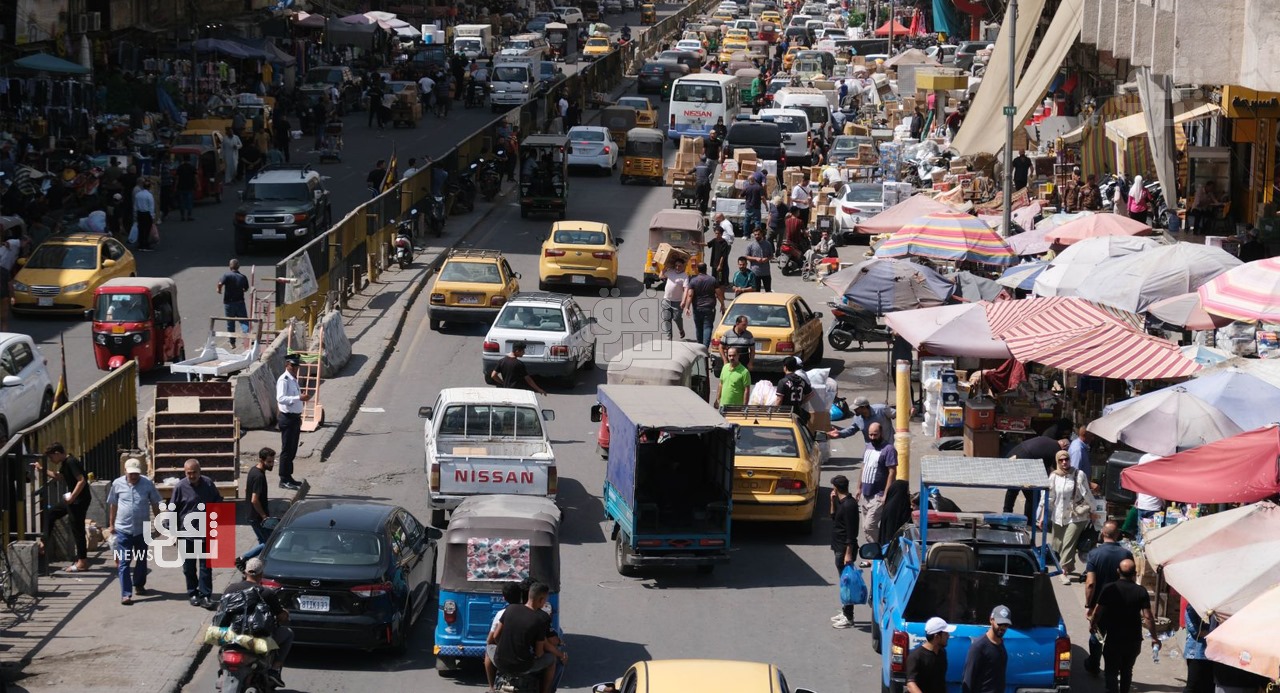 Shafaq News/ The Iraq Future Foundation for Economic Studies and Consultations on Tuesday counted the total amount of money transferred out of the country over the past five years, stating that it amounted to more than $300 billion, with minimal interest returned to the state compared to the amount of money transferred out.
In a report published today, the institution’s head, Manar Al-Obaidi, said that more than 400 trillion dinars have left the country, and the state has only received 2% of that.
He explained that reviewing the Central Bank of Iraq’s data for the period from 2019 to 2024 reveals that the total official financial transfers allocated for imports amounted to approximately $311 billion, equivalent to 415 trillion Iraqi dinars. He added that this enormous figure represents the amount of money that officially left Iraq to import goods and services.
Al-Obaidi added, “However, the shocking paradox, according to the Ministry of Finance’s data, is that the total amount collected in customs taxes during the same period did not exceed (only 8.5 trillion dinars). In other words, Iraq only benefited from customs duties by 2% of the value of the transferred funds, which is an extremely small percentage compared to what is supposed to be collected.”
He added, “Assuming an average customs tariff rate of 7% (a reasonable estimate that takes into account the existence of exemptions and high fees on certain goods), the amount that should have been collected exceeds 29 trillion dinars. This means that we are facing a financial loss of more than 21 trillion Iraqi dinars – a conservative figure, but in reality it may be much higher.”
The head of the institution continued, “This huge revenue gap cannot be explained solely by exemptions or lower fees, but rather is the result of deep loopholes in the Iraqi customs system.”
shafaq.com
