Following the closure of the Strait of Hormuz, Iraq is attending an emergency OPEC+ meeting to triple oil production.
Following the closure of the Strait of Hormuz, Iraq is attending an emergency OPEC+ meeting to triple oil production.
2026-03-01 03:59
 Shafaq News – Follow-up
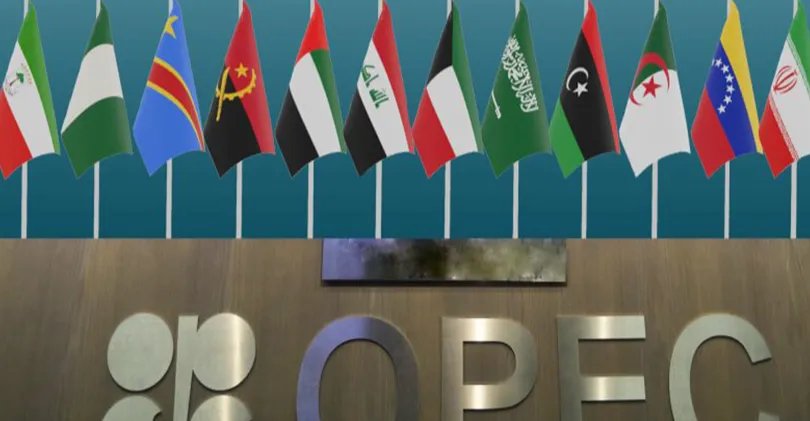
Iraq is participating in the emergency meeting of the OPEC+ alliance on Sunday to discuss increasing oil production, in light of the disruption of shipments through the Strait of Hormuz as a result of the US-Israeli war on Iran, and the suspension of operations by a number of shipping companies in the maritime passage through which about 20% of global crude oil consumption passes daily.
Iraq’s presence at the meeting comes as it is one of the eight key members of the alliance that make decisions to adjust production, along with Saudi Arabia, Russia, the UAE, Kuwait, Kazakhstan, Algeria and Oman.
The participating countries are looking to increase production by 411,000 barrels per day or more, a figure that exceeds previous expectations of only 137,000 barrels per day, with the aim of calming markets and compensating for any potential supply shortages.
Global markets saw oil prices rise to $73 a barrel, the highest level since last July, driven by fears of an escalation of conflict in the Middle East and the closure of the Strait of Hormuz, through which more than 20% of global oil trade passes.
According to reports, Saudi Arabia has increased its production and exports in recent weeks in anticipation of military developments, while analyses indicate that the spare capacity capable of pumping large additional quantities is mainly concentrated in Saudi Arabia and the UAE, which may limit the impact of any large increase in production.
The OPEC+ alliance had raised production quotas by about 2.9 million barrels per day during the period from April to December 2025, before halting the increases at the beginning of 2026 due to weak seasonal demand.
Observers believe that any decision to increase production could give Iraq an opportunity to boost its revenues if prices remain at high levels, but this remains linked to the stability of supplies and the extent of escalation in the region.
Iraq is following developments regarding the disruption of shipments through the Strait of Hormuz with great interest, in light of the escalating Iranian conflict and the accompanying suspension of operations by a number of shipping companies in the maritime corridor through which about 20% of the world’s daily oil consumption passes.
Iraq is a major exporter of oil via the Gulf to Asian markets, making it one of the countries most vulnerable to any disruption in shipping. Asia imports roughly two-thirds of its oil needs from the Gulf region, while Japan relies on Middle Eastern supplies for up to 90% of its needs, and about half of China’s oil imports come from the region.
As tensions escalated, Asian governments and refiners began assessing their stockpiles and alternative supply options. Japanese shipping companies announced they were halting operations near the Strait of Hormuz, while India—the world’s second-largest oil importer—confirmed its state-run refineries were seeking alternative sources, with reserves sufficient for approximately 20 days.
South Korea also held an emergency meeting and announced its readiness to release oil from its strategic reserves to local industries if needed, noting that its reserves could last for several months if the disruption continues.
Analysts believe that oil prices are likely to rise when trading resumes, especially with shipping activity declining due to insurance risks, despite no direct damage to oil infrastructure being recorded so far.
shafaq.com
