Chevron reveals to Shafaq News developments in West Qurna, Nasiriyah, and the oil pipeline through Syria
Chevron reveals to Shafaq News developments in West Qurna, Nasiriyah, and the oil pipeline through Syria
2026-08-19
 Shafaq News – Washington
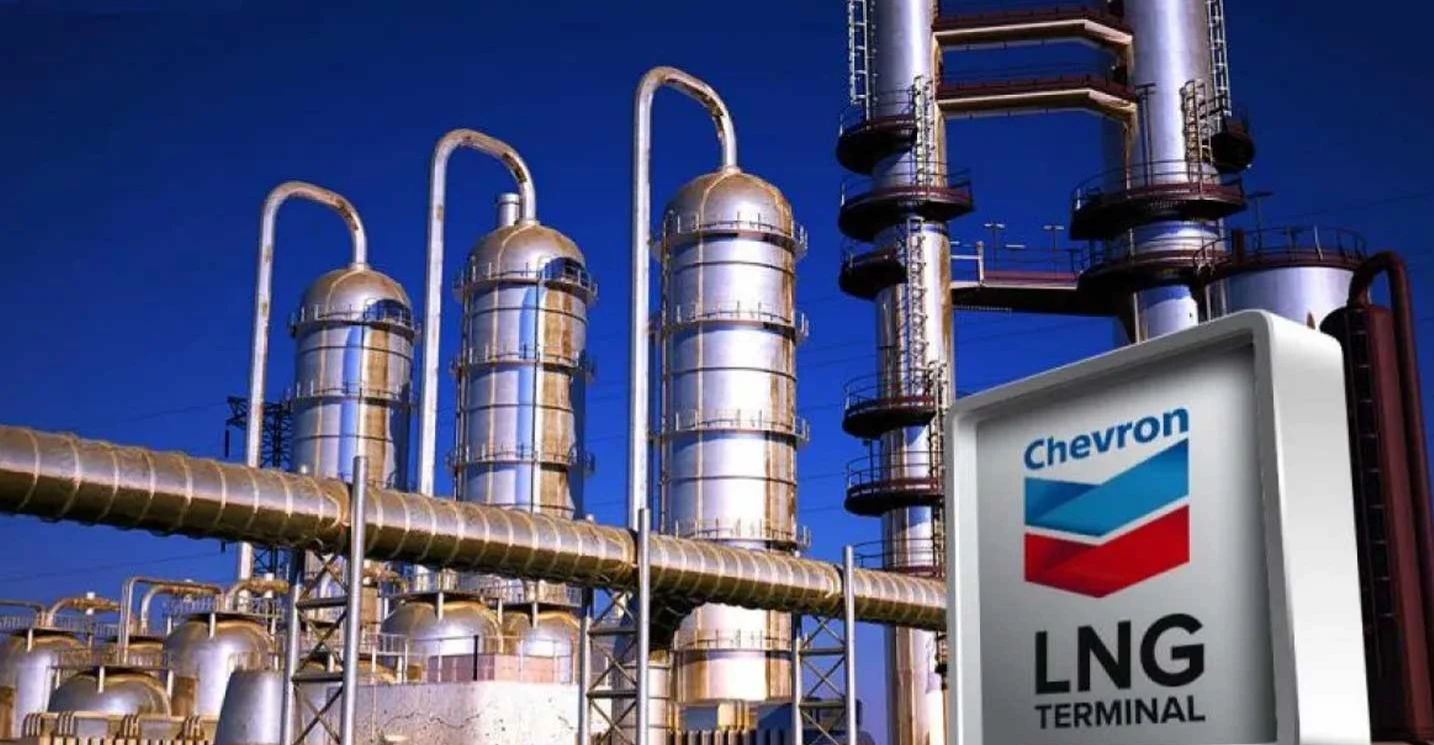
On Wednesday, the American company Chevron revealed progress in its negotiations regarding the West Qurna 2 and Nasiriyah oil fields, in parallel with its involvement in a potential project to establish a cross-border pipeline that would transport Iraqi oil through Syria to the Mediterranean Sea, at a time when Baghdad is seeking to expand its production and diversify its crude oil export outlets away from the Strait of Hormuz.
In an official response to questions from Shafaq News Agency, the company said that Chevron Exploration Services, Inc. and Basra Oil Company signed a new agreement, supplementing the agreements concluded in February 2026, which would advance commercial negotiations related to the West Qurna 2 field.
“Chevron looks forward to sharing its expertise in the successful development of oil and gas projects, supporting Iraq in continuing to develop its energy resources,” she added, noting that she does not comment on specific details related to commercial matters.
West Qurna 2 is one of the largest oil fields in Iraq, with a production of about 460,000 barrels per day.
Last February, Chevron entered into exclusive negotiations with Baghdad regarding the field, after Iraq took steps to take over its management following US sanctions on the Russian company Lukoil, which had been operating it.
In July, the talks moved a step further with preliminary agreements aimed at reaching final commercial terms for the US company’s entry into the field, as part of a broader government effort to attract Western energy companies and increase Iraqi oil production.
Regarding the Nasiriyah field, Chevron told Shafaq News that its arm, “Chevron Business Development EMEA Ltd.” and Dhi Qar Oil Company signed an addendum to the agreement of principles concluded on August 19, 2025, which advances commercial negotiations related to the Nasiriyah field and the surrounding exploration area to a more advanced stage.
The initial agreement regarding the Nasiriyah project included the development of the field along with four exploration blocks and other producing oil areas, before negotiations between the two sides expanded during the following months.
Regarding export outlets, Chevron confirmed a separate move towards establishing an oil corridor to the Mediterranean.
The company said that the governments of Iraq and Syria had each signed separate agreements in principle with Urbacon Concessions Investments WLL, TIC Infra II LLC and Chevron Business Development EMEA Ltd. regarding a potential cross-border oil pipeline project extending from Iraq through Syria to the Mediterranean Sea.
In its response, Chevron did not specify the final route of the pipeline, its cost, export capacity, or the size of its financial and technical contribution to it, and said it does not comment on the commercial details of the project.
The project is gaining increasing importance for Baghdad as it seeks to reduce its dependence on Gulf ports and the Strait of Hormuz, through which the majority of its oil exports pass.
Shafaq News had also asked Chevron about the nature of its technical and financial role in the export corridor through Syria, whether it views it as a strategic alternative to the Strait of Hormuz, as well as the possibility of linking the fields of central and southern Iraq to the new network, the status of the company’s operations in the Kurdistan Region, and its relationship with the governments of Baghdad and Erbil.
However, the company did not provide further details regarding these files in its publishable response, and merely confirmed the progress of negotiations on West Qurna 2 and Nasiriyah and its participation in the preliminary agreements for the pipeline project across Syria.
Iraqi Oil Minister Bassem Mohammed Khudair revealed to Shafaq News, during a visit to Washington in July, the formation of a consortium that includes Chevron and American and Qatari companies to implement a new pipeline network, including a route extending from Haditha in western Iraq to the Syrian port of Banias on the Mediterranean Sea, as part of a plan to diversify oil export outlets and reduce dependence on the Strait of Hormuz.
The project comes in parallel with Iraqi-Syrian moves to revive the historic Kirkuk-Banias pipeline, which has been out of service since 2003.
On July 17, Baghdad and Damascus signed, under US auspices, a memorandum of understanding to rehabilitate and operate the pipeline, while previous talks had addressed raising its capacity from about 300,000 barrels per day to up to one million barrels, and linking it in the future to the fields of central and southern Iraq instead of limiting it to Kirkuk oil.
shafaq.com
