“Alternative plan” for exporting Iraqi crude, with the first step being black oil.
“Alternative plan” for exporting Iraqi crude, with the first step being black oil.
2026-03-27 02:38
 Shafaq News – Basra
On Friday, Basra MP Ali Shaddad revealed that the Iraqi government is working on multiple initiatives and paths to find alternatives to the Strait of Hormuz for exporting oil in light of the current regional conditions, stressing that Iraq is facing a difficult test that requires quick and effective measures to reduce losses and maximize revenues.
Shaddad told Shafaq News Agency, “There are alternative routes that have been proposed for exporting oil, including transport via tankers to neighboring countries, such as Turkey, Jordan and Syria, as a temporary option to ensure the continuation of exports. The beginning will be with the sale of black oil to reduce the accumulation inside refineries, which has led to the shutdown of some production units.”
He explained that “SOMO has made significant progress in this matter, having issued tenders and some of them have been referred to specialized companies to purchase black oil,” noting that “transport operations will be the responsibility of the buyer, while the Ministry of Oil or SOMO will not bear any damages that may befall the shipments.”
He confirmed that “there is coordination with the security authorities to secure the routes of the tankers, while allowing the entry of foreign tankers in case the local fleet is insufficient,” indicating that “the quantities offered for sale amount to about 25,000 tons, and they are ready for export.”
Shaddad pointed out that “the success of this step will open the door to subsequent stages of expanding export operations, given the urgent need to boost revenues and bridge the financial deficit that the country is experiencing.”
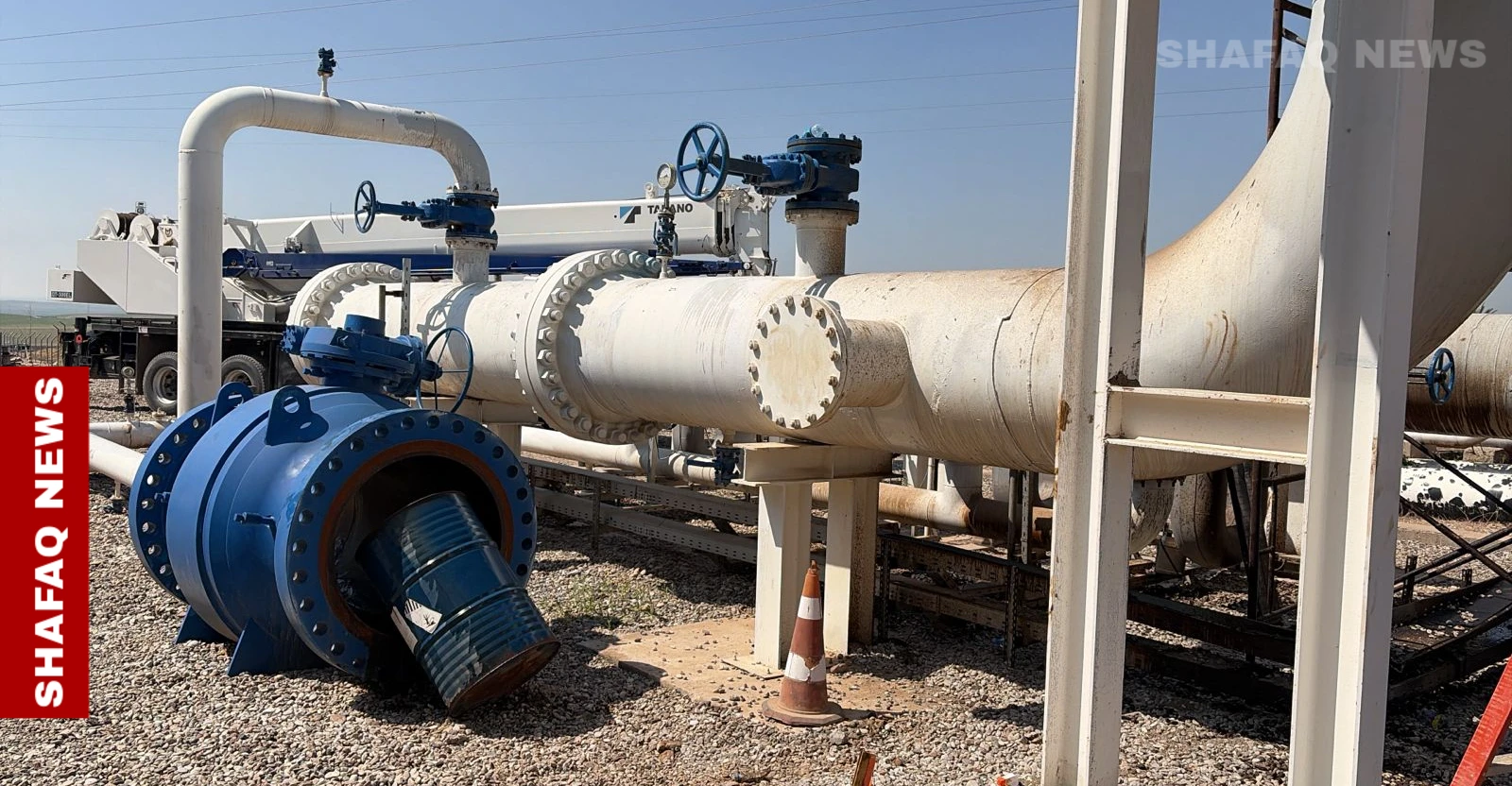
He pointed out that “the recent meetings with the Ministry of Oil led to reaching several important paths, most notably accelerating the rehabilitation of the Iraqi strategic pipeline (Basra – Aqaba Jordanian port), which has an export capacity of more than 600,000 barrels per day, in addition to the Iraqi-Turkish pipeline, which has a capacity of about 400,000 barrels, which means the possibility of exporting nearly one million barrels per day.”
The MP pointed out that “the slowdown in completing this pipeline has caused significant financial losses, despite the rise in oil prices to about $100 per barrel, which could have been invested to compensate for the shortfall in exports, especially with the challenges associated with the Strait of Hormuz.”
He also explained that “the strategic (Iraqi-Jordanian) pipeline suffers from more than four thousand defects and holes, and the Ministry of Oil has pledged to rehabilitate it within seven days, but the extent of the damage raises doubts about the possibility of completing it within this period.”
On March 9, the spokesman for the Iraqi Oil Ministry, Abdul Sahib Bazoun al-Hasnawi, revealed that the government is seriously considering several alternatives to ensure the continued export of crude oil through safer outlets, at a time when Iraq is facing the worst disruption to its oil flows in years due to the regional war and the disruption of navigation through the Strait of Hormuz.
Al-Hasnawi explained to Shafaq News Agency that the options being considered include the Turkish Ceyhan line, the Banias line, and land transport via Jordan, in addition to more distant routes such as the construction of reservoirs outside the strait, including the Omani port of Duqm, and the revival of the Iraqi-Saudi line, but he pointed out that some of these projects are of a strategic nature and require time and technical studies.
He also pointed to plans to ensure the export of approximately 3 million barrels per day of Iraqi oil through various outlets, the fastest of which would be via tanker trucks through Jordan.
These moves come after Iraq’s production from its main southern fields fell to between 800 and 1.3 million barrels per day, compared to about 4.3 million barrels per day before the war, after storage capacities reached their maximum limits and southern exports effectively stopped with the absence of new tankers at loading ports.
shafaq.com
