A gap that extends beyond Iraq’s borders… What are the dangers of withdrawing US defenses from Erbil?
A gap that extends beyond Iraq’s borders… What are the dangers of withdrawing US defenses from Erbil?
2026-09-08
 Shafaq News – Special Translation
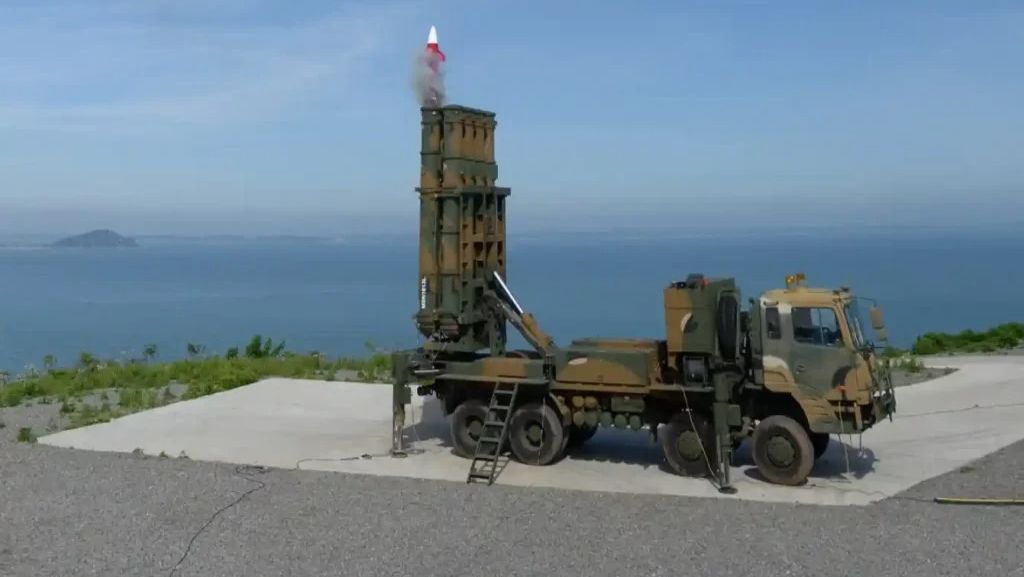
The National newspaper warned that withdrawing US air defense systems from Iraq, including those stationed in Erbil, could create a security gap that extends beyond Iraq’s borders, at a time when countries in the region are reassessing their defense strategies in light of Iranian missile and drone attacks.
The newspaper, in a report translated by Shafaq News Agency, quoted experts and security officials as saying that withdrawing systems such as “Patriot” and “C-RAM” will remove an important layer of monitoring, tracking and interception of the path of Iranian missiles and drones, especially since the American capabilities present in Iraq, particularly in the Kurdistan Region, have become part of a security network linked to Jordan, Syria and Israel.
This comes as the US-led international coalition is scheduled to end its mission in Iraq on September 30, including the withdrawal of its personnel and equipment, and the transition from combat and advisory roles to bilateral security cooperation.
The newspaper referred to statements by the security advisor to the Prime Minister, Qasim al-Araji, in which he confirmed that the withdrawal would include all coalition air defense systems, including those deployed in the Kurdistan Region.
A regional security official was quoted as saying that countries in the region are “constantly reviewing their security calculations,” adding that the withdrawal of US forces and vital systems is pushing them to intensify their search for alternatives.
According to the report, the American air defense systems in Erbil played an important role in protecting American and coalition facilities from missile and drone attacks.
The National quoted security and strategic analyst Maan Al-Jubouri as saying that the impact of the withdrawal “will be direct and significant” on the capabilities and readiness of the Iraqi armed forces and security services, particularly in the Kurdistan Region.
Al-Jubouri added that the repercussions of the withdrawal will affect the whole of Iraq due to the weakness of the current air defense network, warning that Iraqi airspace will be more vulnerable to infiltration by neighboring countries or armed groups.
The report noted that Iraqi airspace has turned into a corridor for missiles, drones and warplanes in recent months, coinciding with the exchange of attacks between Iran, the United States and Israel, as well as Iranian attacks on US forces and facilities in Iraq and the region.
The newspaper considered that the absence of American air defense capabilities in Iraq was no longer just an Iraqi military issue, but had regional repercussions, especially for Jordan, which forms an important part of the American military network in the region and has been subjected to Iranian attacks.
According to the report, withdrawing air defense systems from Iraq will remove a layer of monitoring, tracking and interception from the eastern side, which may also affect the security calculations of Syria and Israel.
Al-Jubouri stressed that the departure of US forces “will create a wider security vacuum,” explaining that the absence of air defense systems in Iraq will have “direct and significant effects in the region, creating a large vacuum and affecting the balance of power.”
The report noted that Iraqi Defense Ministry spokesman Major General Yahya Rasool announced that the government is working on building an integrated national air defense system, including long, medium and short-range capabilities, along with a radar, command and control system, as part of a plan that was supposed to be implemented within six years.
But Prime Minister Ali al-Zaidi directed that the timeline be reduced to three years.
Al-Jubouri expressed doubt about the possibility of bridging the air defense gap within this period, stressing that building the system “is not that easy,” because it does not depend on purchasing equipment only, but rather requires infrastructure and human expertise capable of operating and integrating the systems, which requires years of training and qualification.
These developments come at a time when Iraq is preparing for a new phase of security cooperation with the United States following the end of the coalition’s mission, amid growing challenges related to Baghdad’s ability to protect its airspace and prevent it from becoming a transit or engagement ground for missiles and drones in the region once again.
shafaq.com
