“Cash first”… Why is electronic payment failing to gain the trust of Iraqis?
“Cash first”… Why is electronic payment failing to gain the trust of Iraqis?
2026-03-30 03:33
 Shafaq News – Baghdad
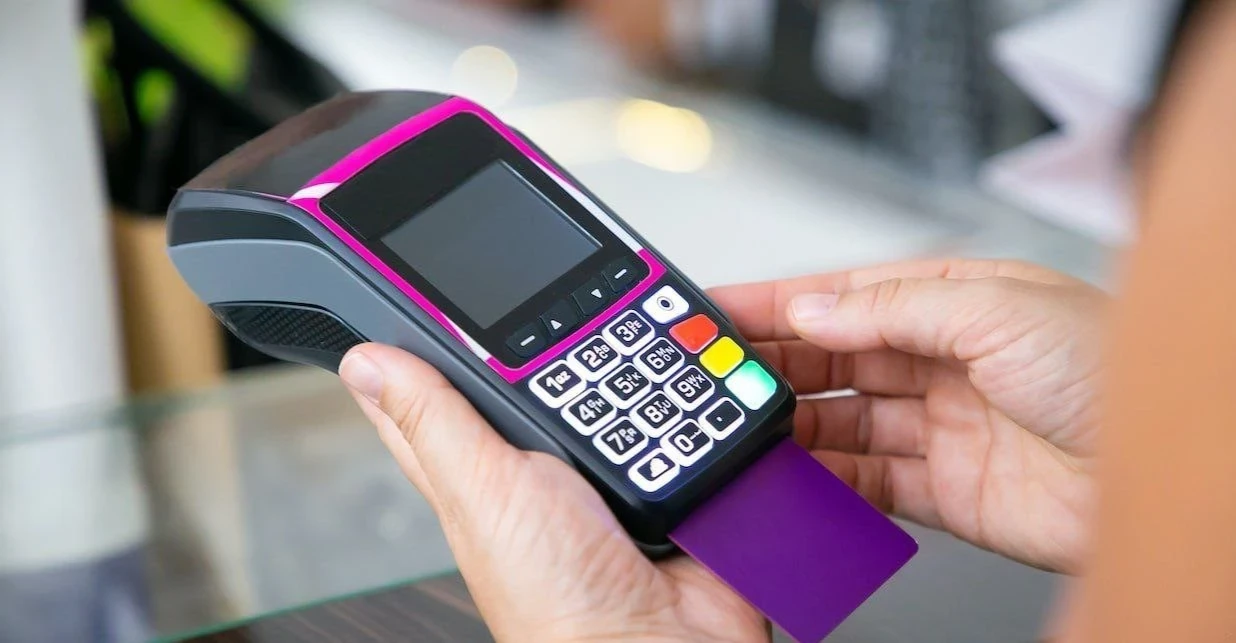
In Iraq, cash still retains its position as the most prevalent means of payment in daily life, despite the gradual expansion of electronic payment services.
While financial systems evolve and banking cards and applications proliferate, cash transactions remain the preferred option for a wide segment of citizens, as they consider it the fastest, simplest, and safest from their point of view, given the ongoing challenges related to trust in banking services and their stability.
Opinions and comments
Citizen Taha Ahmed told Shafaq News Agency that he prefers to use cash in his daily transactions instead of electronic payment cards, despite having a bank card, explaining that he only uses it when his salary is deposited, as he withdraws it in full immediately.
He adds that the reason is due to the ease of dealing with cash on the one hand, in addition to widespread concerns about the possibility of theft or unjustified withdrawals from cards without the knowledge of their owners or prior notification from the banks.
According to Ahmed, these concerns, whether true or just rumors, prompted him to avoid keeping any money on the card and instead rely on cash for all his daily transactions, indicating that the lack of trust in electronic payment methods is still an influential factor among a segment of citizens, despite the increasing spread of these services.
Statistics indicate that the number of payment cards in Iraq exceeded 20-22 million cards, but the actual use remains less than the distribution volume. The Central Bank also clarifies that the size of the money supply amounts to 93 trillion dinars, while what is inside the banks does not exceed 11 trillion dinars.
Cash despite the reform
For his part, the Prime Minister’s financial advisor, Mazhar Muhammad Saleh, told Shafaq News Agency that “the informal economy still constitutes a large share of activity in Iraq, which reinforces the reliance on cash in daily transactions, especially in markets and small businesses.”
He believes that cultural factors and weak digital financial awareness play a role in the preference for cash, along with some concerns related to fees or technical errors, noting that many payment card holders use them only to withdraw salaries, which limits their spread as an actual means of payment.
On the other hand, Saleh points to growing positive indicators, as Iraq is witnessing a remarkable expansion in the use of electronic payment cards, especially at gas stations and some services, with the support of the government’s economic and banking reform program.
He continued, saying that “the government’s efforts are progressing in promoting digital transformation through expanding electronic collection, spreading financial inclusion, developing the payment infrastructure, and providing incentives to encourage use,” adding that “Iraq is gradually moving towards establishing a culture of electronic payment, supported by ongoing reforms aimed at building a more efficient and stable digital financial system.”
According to statistics, about 90% to 95% of payments in Iraq are still made in cash, as stated in recent economic reports and studies.
Digital Payment Culture
For his part, financial expert Mahmoud Dagher confirms that the transition from cash transactions to electronic payments in Iraq is not just a technical step, but a cultural shift that requires time and societal awareness, and cannot be achieved in a short period.
In an interview with Shafaq News Agency, he points out that this process faces several challenges, most notably the incomplete and organized economic cycle, which includes registering shops, documenting properties, and opening bank accounts, which are essential factors for creating an integrated digital financial environment.
According to Dagher, the absence of a large segment of consumers and sellers from the banking system limits the expansion of the use of electronic payment tools. He explained that promoting this shift requires raising the level of confidence in the banking sector, in addition to providing encouraging incentives for users, whether consumers or business owners, such as discounts or additional benefits compared to cash payments.
He explains that imposing electronic payment by force may not achieve positive results, but rather encouraging voluntary use through incentives is the most effective way, noting that the electronic payment system in Iraq is still relatively new, as it only started to appear about two years ago, which puts it in the initial establishment phase, with expectations of gradual development and an increase in demand rates during the coming period.
On the other hand, an informed source believes that most countries in the world have moved towards relying on electronic payment systems, with a significant decline in the use of cash in many daily transactions, as part of the shift towards a digital economy.
The source explained to Shafaq News Agency that “electronic payment in Iraq represents a positive step towards modernity and financial development, but it faces several challenges, most notably the weakness of the banking infrastructure, the need to strengthen the role of the Central Bank in this field, as well as the limited awareness of digital financial culture among a segment of citizens.”
There is also a need for more effective oversight and monitoring by the Central Bank and relevant authorities of electronic payment companies, given the financial deductions imposed on the cards of employees and retirees, according to the source.
According to experts, developing this sector requires addressing these challenges in an integrated manner, to ensure the building of a more efficient and reliable electronic payment system in Iraq.
In the same context, economist Mohammed Al-Hassani told Shafaq News Agency that “the liquidity structure in Iraq still reflects a high reliance on cash,” explaining that “about 40% to 45% of the money supply is still outside the banking system, while the percentage of funds inside banks does not exceed 55% to 60%.”
It is believed that “this reality reflects structural challenges in the financial sector, most notably weak confidence in banks and a decline in the use of modern banking tools compared to direct cash transactions.”
Al-Hassani concludes his statement by saying that “most areas of Iraq, especially wholesale markets such as Al-Shourja, Jamila and others, still rely almost entirely on cash in daily transactions, with weak demand for electronic payment due to a lack of trust in banks and fear of technical or security problems related to cards and bank accounts.”
shafaq.com
