Iraq’s collapse due to the closure of the Strait of Hormuz: a scenario of losing 90% of revenues
Iraq’s collapse due to the closure of the Strait of Hormuz: a scenario of losing 90% of revenues
2026-02-21 00:40
 Shafaq News – Baghdad
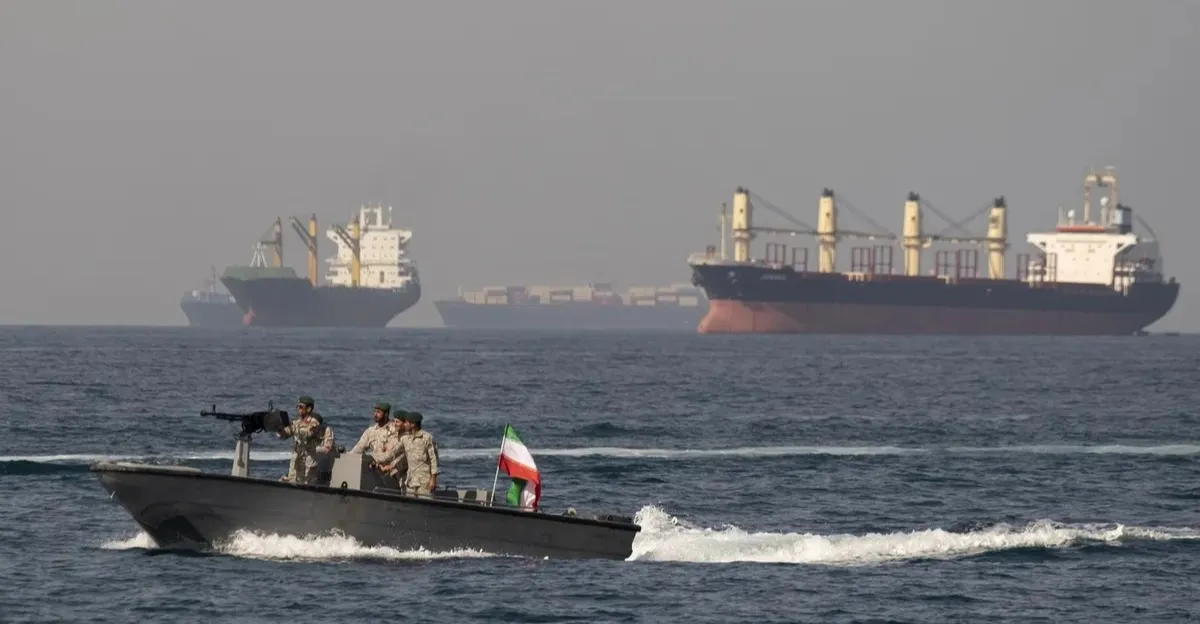
Iraq faces a real threat of losing about 90% of its revenues if the Strait of Hormuz, the vital waterway through which one-fifth of the world’s oil passes, is closed, putting the country’s fragile economy under severe pressure.
Amid preparations for a military escalation between the United States and Iran if no agreement is reached between them, Iraq – located in the heart of a region that is considered the world’s energy artery – appears to be the most vulnerable to rapid fluctuations in oil, dollar, and commodity prices.
Past experience indicates that markets move in response to fears before events occur. Brent crude recently rose by more than 7% and exceeded $70 a barrel due to tensions, while global prices jumped every time talk resurfaced about the threat to navigation in the Strait of Hormuz.
Approximately 20 million barrels of oil pass through the Strait of Hormuz daily, representing about 20% of the world’s oil. While the price surge may seem like good news for Iraq in theory, the reality is more complex.
Opportunity or shock?
Oil and energy expert Kovand Shirvani confirms that “any military confrontation and Iran’s move to close the Strait of Hormuz will have major repercussions for all global trade, including oil supplies, as 20% of the world’s oil passes through this strait.”
Shirwani adds to Shafaq News Agency, “More than 90% of Iraqi oil is exported through this corridor, which means that closing it will lead to a loss of revenues of about 3.5 million barrels per day. If the closure continues for one month, Iraq may lose more than $6 billion, which is about 90% of its public revenues.”
On the other hand, he points out that the only outlet that is relatively far from military operations is the export line to the Turkish port of Ceyhan, which currently transports about 200,000 barrels per day, which is less than 10% of total exports, but it may rise to one million barrels per day if technical adjustments are made, which would mitigate the impact of the shock.
For his part, oil expert Haider Abdul-Jabbar Al-Batat believes that oil prices “often rise globally at any threat to Gulf supplies,” which may give Iraq temporary financial gains, but he warns during his interview with Shafaq News Agency that “any actual disruption to exports through the Gulf or closure of the Strait will mean a disruption to revenues despite the rise in the price globally.”
Dollar panic
Regarding the exchange rate, Iraqi markets appear to be more sensitive, as economic researcher Ahmed Eid told Shafaq News Agency, “Iraqi markets are affected psychologically before they are affected financially, and any escalation will push traders and citizens to increase the demand for dollars as a precaution, which puts pressure on the exchange rate in the parallel market, especially if this is accompanied by American tightening of foreign transfer procedures.”
Al-Batat agrees with this view, explaining that “the dollar is rising locally due to panic and high demand for hedging, and tightening sanctions on Iran may restrict transfers and put pressure on the currency window, while speculation accelerates the pace of the rise even if the monetary basis does not change.”
As for Shirwani, he warns of a more severe scenario, saying that the decline in oil revenues will lead to a shortage of dollars in the markets, “and the price may reach about 200,000 dinars per 100 dollars within a short period,” which will severely affect those with limited incomes as the value of the dinar declines and commodity prices rise.
Rising prices
According to Shirwani, the repercussions are not limited to oil and the dollar, as the majority of trade for the Gulf states, including Iraq, passes through the Strait of Hormuz, which means that any closure will lead to shortages of materials and higher prices in the entire region, including Qatar, Saudi Arabia, Bahrain and the UAE.
For his part, Al-Batat also points to the possibility of a slowdown or partial halt in trade routes with Iran, and the rise in shipping and insurance costs, which will result in a shortage of some food items and building materials, stressing that medicines and basic goods will be the first to be affected, “because the rise in the dollar and transportation costs is immediately reflected in prices, and any banking or logistical disruption will reach the market directly.”
As for Ahmed Eid, he summarizes the scene by saying that “Iraq’s economy is rentier, relying on more than 90% on oil, so it may temporarily benefit from rising prices, but this positive aspect is fragile, because the rise in geopolitical risks raises the cost of insurance and transportation and affects investment flows, and therefore Iraq is the most affected by any regional conflict because it is an arena of overlapping interests.”
What is the solution?
Based on these potential concerns, Al-Batat believes that the solution lies in “strengthening the economy by controlling the dollar market and preventing speculation, securing a strategic reserve of food and medicine, diversifying trade outlets and maximizing non-oil exports.”
In conclusion, Eid emphasizes that “internal political stability and controlling political and security discourse are the first line of defense to protect the economy from external shocks.”
shafaq.com
