A crisis with no way out… A “doomed deal” drags Iraq back into the dark.
A crisis with no way out… A “doomed deal” drags Iraq back into the dark.
2025-09-24
 Shafaq News – Baghdad
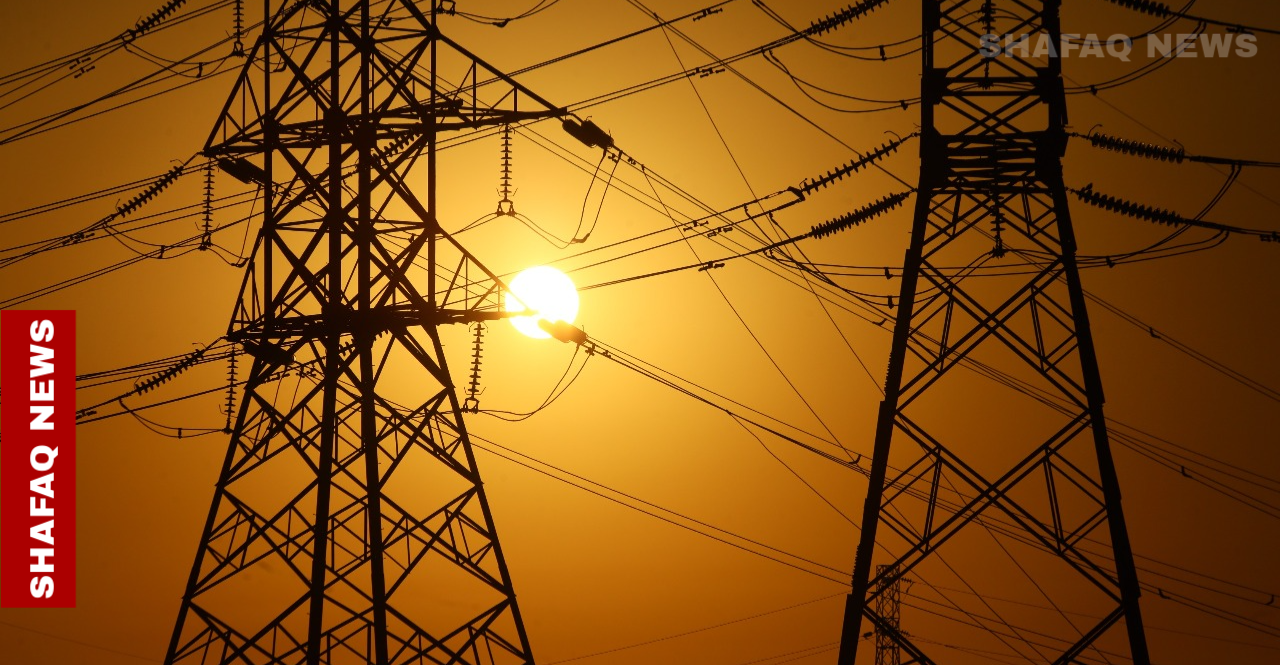
Four observers confirm that Iraq’s recent decision to suspend a contract to import gas—to power power plants—from Turkmenistan via Iran was not surprising, given that Iran was set to benefit from a portion of the gas, which Washington considers a direct violation of sanctions imposed on Tehran.
Despite Baghdad’s attempts to offer guarantees, including international monitoring of the deal, the US rejection has placed Iraq in a new energy crisis with no readily available solutions, exposing the fragility of domestic energy security and its dependence on regional and international tensions.
According to the agreement, Iraq was to be able to import approximately five billion cubic meters of Turkmen gas annually, with Iran retaining up to 23% of the total daily gas quantity, without cash compensation, to meet its domestic needs.
The United States considered the deal a violation of sanctions imposed on Iran, amid an ongoing campaign to pressure Tehran economically.
This freeze is not the first of its kind, but rather occurs with every project or agreement that overlaps with Iranian geography or intersects with US sanctions.
For many years, Iraq has relied on importing electricity and gas from Iran, especially during the peak summer months. This relies on ongoing US waivers, which are issued multiple times each year.
While the Iraqi government is attempting to end this external dependence, Prime Minister Mohammed Shia al-Sudani confirmed in April 2025 that all power plants would operate on Iraqi gas by the end of 2027. Until then, however, the energy landscape appears set to remain in crisis, with no quick solutions or alternatives.
Lack of quick alternatives
In this context, Iraqi oil expert Hamza al-Jawahiri says that the Iraqi government’s decision to suspend the contract to import gas from Turkmenistan via Iranian territory was not surprising, noting that Iran was planning to use a portion of the gas for domestic purposes, which would conflict with US sanctions imposed on Tehran.
Al-Jawahiri explained to Shafaq News Agency that the passage of gas through Iran grants it the right to obtain a percentage of the supply without direct financial compensation, which was sufficient reason to expect the US to object to the implementation of the deal.
However, according to Al-Jawahiri, Iraq was supposed to have ready-made alternatives for this type of crisis. “However, the reality reveals the absence of practical and rapid solutions, which reflects a clear flaw in energy planning and will negatively impact the level of electricity supply to citizens and the national economy in general.”
Al-Jawahiri continued, saying that Iraq is currently working to process the associated gas flared in oil fields, expressing his hope that these efforts will contribute to reducing reliance on imported gas, whether from Iran or other countries.
He adds that even if these projects are accelerated, they will not be sufficient to meet the growing demand for energy, which requires urgent development of gas fields. However, he says, “bureaucracy and administrative obstacles still constitute a major obstacle to the effective and rapid implementation of these plans.”
A crisis rooted in politics
For her part, Intisar Al-Jazaery, a member of the parliamentary Oil and Gas Committee, asserted that the interruption of gas supplies from Iran has directly contributed to the worsening energy crisis within Iraq.
Speaking to Shafaq News Agency, Al-Jazaery indicated that the country is still far from achieving gas self-sufficiency, despite the signing of the fifth licensing round launched by the Ministry of Oil last year, which aims to exploit flared gas and reduce waste.
Therefore, the MP acknowledges that “imports remain a necessary option at the present time to control the crisis. Consequently, Iraq must turn to economically stable countries to conclude long-term agreements that guarantee the continued supply of fuel for power plants.”
She believes the government is striving to distance the country from the region’s intertwined crises, but it faces significant challenges, most notably what she describes as “American interference in Iraqi economic and political affairs,” which hinders Iraq’s efforts to build energy independence and keeps it dependent on external decisions.
According to Al-Jazaery, US policy imposes conditions and contexts that serve its regional interests, further complicating the Iraqi situation, especially given the country’s incomplete energy infrastructure.
Based on the above, the MP believes that “the electricity crisis is no longer merely technical, but has become a political crisis par excellence, meaning its continuation is dependent on external fluctuations, and its repercussions on citizens’ lives and the country’s economy will continue unless the course of national energy policies is reconsidered.”
External pressure and internal opportunity
For his part, international economics professor Nawar Al-Saadi believes the US decision cannot be separated from the context of the geopolitical conflict in the region, particularly as Washington attempts to control energy outlets and deny Iran any economic outlet under the guise of regional cooperation.
Al-Saadi told Shafaq News Agency, “Iraq imports nearly a third of its gas and electricity needs from Iran. If alternatives are disrupted, we will face further power outages and pressure on public finances.”
However, Al-Saadi did not overlook the options available to Iraq, most notably the exploitation of flared associated gas, estimated to be sufficient to cover half of domestic consumption. He also noted the possibility of importing liquefied gas from countries such as Qatar or Oman, despite the high costs.
Under the current circumstances, “Iraq is facing a testing moment; either this pressure turns into an opportunity to build energy independence, or it remains mired in a cycle of seasonal crises and economic dependency,” says Al-Saadi.
Temporary solutions and permanent waiting
Economist Mustafa Al-Faraj, for his part, proposes that the US government grant Iraq a temporary exemption to import gas for a year, provided there is international oversight to ensure it does not violate sanctions or indirectly finance Tehran.
Speaking to Shafaq News Agency, Al-Faraj believes that “this temporary solution could give Iraq valuable time to activate local gas projects, improve infrastructure, and achieve relative stability in the electricity sector.”
However, the economist warns of the danger of the current situation continuing to fluctuate, saying, “The energy crisis is no longer merely a technical one; it is a humanitarian, economic, and security crisis. If it is not addressed quickly, we may witness a broader collapse of vital services.”
shafaq.com
