The Kirkuk-Banias oil pipeline: Iraq’s lifeline to the Mediterranean via Syria
The Kirkuk-Banias oil pipeline: Iraq’s lifeline to the Mediterranean via Syria
2025-08-09 00:06
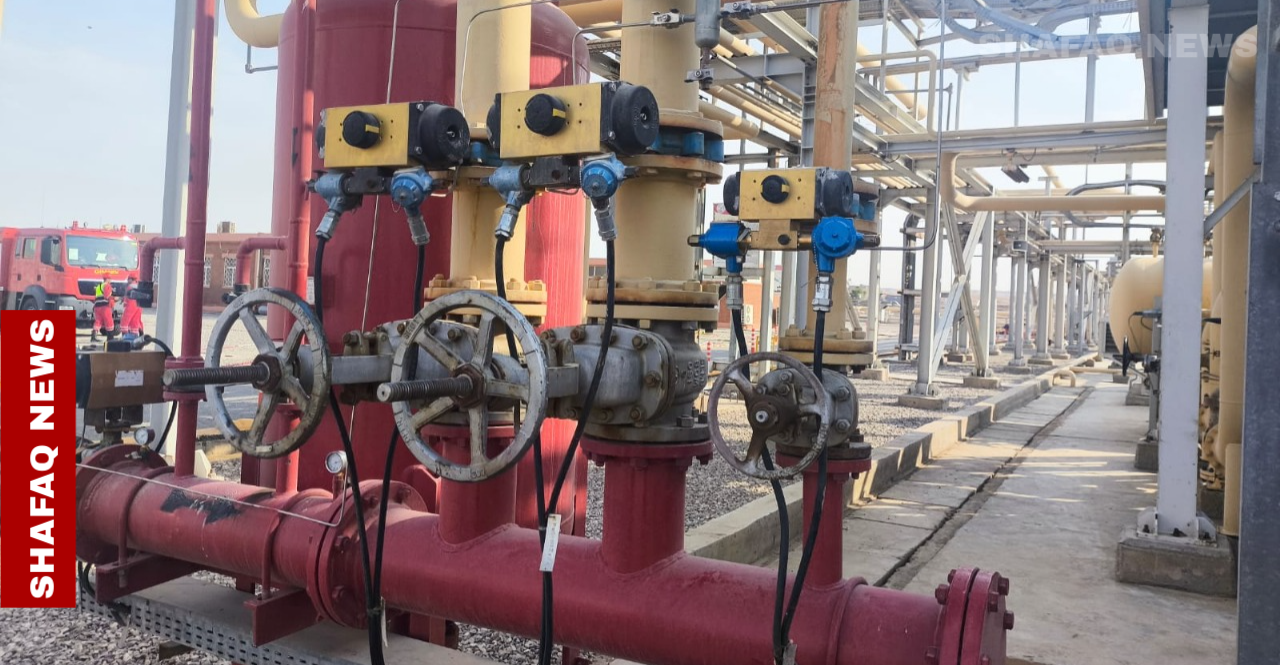 Shafaq News – Kirkuk
Amidst the region’s geopolitical challenges and fluctuations in global oil markets, talk of the Kirkuk-Banias oil pipeline has resurfaced. This project, which for decades remained locked in political and security matters, has resurfaced as a strategic asset that provides Iraq with a vital outlet to the Mediterranean, freeing it from its complete dependence on Gulf ports.
Syrian Energy Minister Mohammad al-Bashir announced earlier on Saturday his intention to visit Iraq soon to study the rehabilitation of the oil pipeline linking Kirkuk to the port of Baniyas, a move aimed at strengthening energy cooperation between the two countries.
Al-Bashir’s statement, as reported by the Syrian News Channel, came in the context of his discussion of the increase in electricity supply hours across Syria, a trend he said his country had not witnessed in decades.
historical line
The Kirkuk-Banias pipeline was established in the 1930s as part of a network to export Iraqi oil to European markets via the Syrian coast. Designed with a capacity of up to 300,000 barrels per day, it was a pillar of Iraq’s economy in the pre-war and pre-sanction era.
With the beginning of the 1990s and the imposition of the international embargo on Iraq, the pipeline’s activity declined significantly, with the pipeline operating at a limited capacity of no more than 10,000 barrels per day under the “Oil for Food” program.
At the time, 60% of its revenue went toward purchasing food, while 40% was paid in cash. However, subsequent political and military events brought it to a complete halt.
Today, more than two decades after its interruption, the need to diversify export outlets is prompting the Iraqi government to re-address the pipeline issue, amid increasing pressure on southern ports and logistical and climate challenges in the Gulf.
Baghdad sees the line as a “strategic option.”
Mazhar Mohammed Salih, the Prime Minister’s advisor for financial affairs, confirmed to Shafaq News Agency that “reviving the Kirkuk-Banias pipeline is not just an economic project, but a strategic option that gives Iraq greater flexibility in marketing its oil and enhances its energy security.”
He added, “Restarting the line requires significant effort and time, along with a comprehensive rehabilitation of the infrastructure and security and technical stability along its route.”
This strategic dimension is not limited to Iraq, but also extends to Syria, which sees the project as an opportunity to strengthen its position as a regional energy corridor, opening up broader economic prospects between the two countries.
Oil industry in the north
The pipeline is operated by the North Oil Company, which was established in 1927 as the Iraq Petroleum Company (IPC) before being nationalized and transformed into a national company.
The company is headquartered in Kirkuk and oversees several giant fields, most notably the Kirkuk field, one of the oldest and most prolific fields in the Middle East, as well as the Bai Hassan, Jambur, Khabbaz, and Shoraw fields.
The company currently produces between 250,000 and 300,000 barrels per day, but it is looking to increase its capacity through a cooperation agreement with British oil company BP to develop the Kirkuk field and increase its production to 750,000 barrels per day. This expansion, according to experts, increases the need for new export outlets to relieve pressure on southern ports.
A responsible source in the North Oil Company told Shafaq News Agency that “an official Iraqi delegation recently visited Syria as part of a plan to revive the pipeline. The discussions included conducting a comprehensive technical survey to determine the condition of the pipeline and infrastructure, forming joint Iraqi-Syrian technical committees to assess security and technical aspects, and developing a comprehensive vision for rehabilitation that may include establishing new routes and upgrading pumping stations, ensuring the pipeline operates according to modern standards and high efficiency.”
The source estimates that “the project’s cost will be between $300 and $600 million, with multiple financing options being explored, including allocations from the general budget, partnerships with international companies, or contributions from regional investors.”
Restarting the line faces several obstacles, most notably the fact that the infrastructure has been subject to aging and partial destruction, necessitating the reconstruction of large sections according to modern standards. Furthermore, the line’s passage through areas that have witnessed security disturbances necessitates strict security arrangements.
Moreover, any such project cannot be separated from the complex regional environment, as it requires political and economic cooperation between Baghdad and Damascus, and possibly coordination with international parties with interests in the energy sector.
Strategic outlet to the Mediterranean
Energy and oil expert Youssef Abdullah believes that restarting the Kirkuk-Banias pipeline “will give Iraq greater maneuverability in marketing its oil, especially in light of the geopolitical challenges in the Gulf.”
He added, “The pipeline is capable of transporting between 200,000 and 300,000 barrels per day, providing Iraq with a direct outlet to the Mediterranean Sea and reducing its reliance on the Strait of Hormuz, which remains vulnerable to tensions.”
Abdullah points out that “the project will contribute to strengthening economic cooperation between Iraq and Syria, and may form the basis for joint projects in the fields of transportation and energy.”
Reviving the pipeline could have broader implications for regional politics, providing Iraq with a balancing tool in its relations with trading partners and strengthening its position as a reliable energy source. It could also open the door to foreign investment in the northern energy infrastructure, something Iraq needs to diversify its economy.
However, the project may also raise political sensitivities among some international parties, given the sanctions imposed on Syria, which requires legal and diplomatic arrangements to ensure its smooth running.
An opportunity and a test at the same time
Despite the challenges, observers believe that reviving the Kirkuk-Banias pipeline represents a “long-term bet” that could give Iraq a new leverage in the global oil market. The project, if completed, will not only serve as an oil pipeline, but also symbolize Iraq’s ability to diversify its options, enhance its energy security, and open a new chapter in regional cooperation.
While financing options are being studied and technical plans are being drawn up, the decisive step remains in the hands of political will and the ability to overcome security and technical obstacles. Either the pipeline will resume pumping life into Iraq’s export pipelines to the Mediterranean, or it will remain a postponed project on the strategic file shelf.
shafaq.com
