Exclusive: The Coordination Framework agrees on the “necessity” of the US presence and reveals messages from Maliki and Hakim.
Exclusive: The Coordination Framework agrees on the “necessity” of the US presence and reveals messages from Maliki and Hakim.
2025-08-06 07:54
 Shafaq News – Baghdad
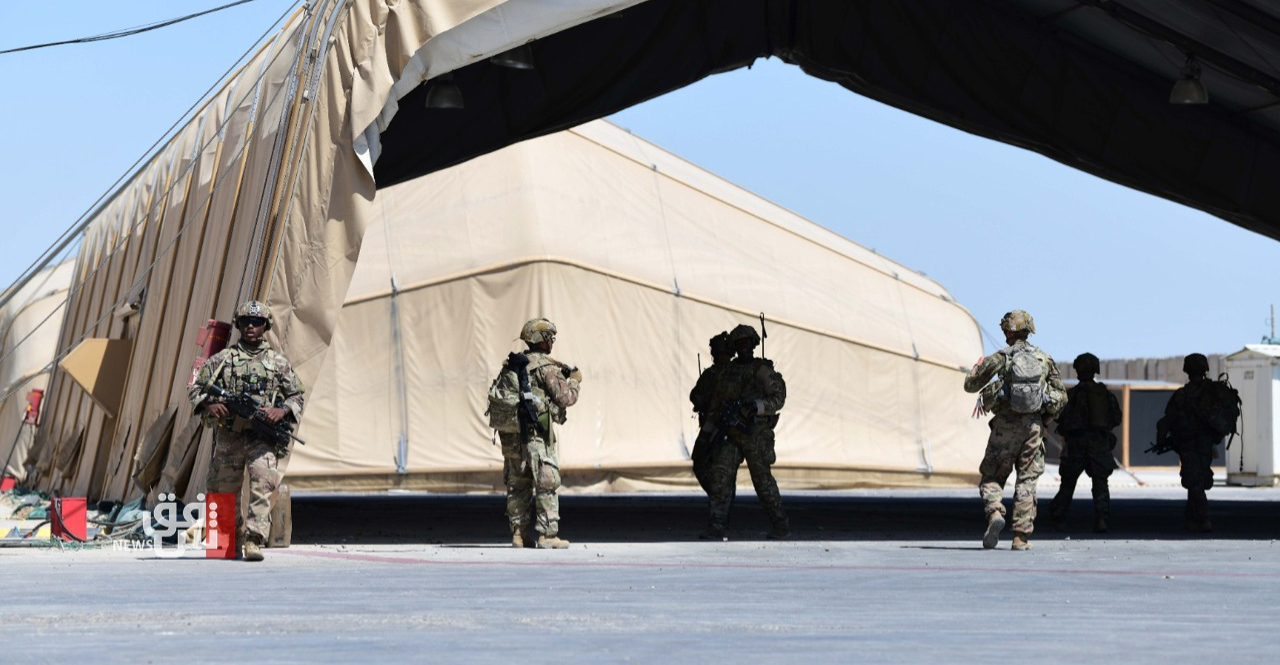
Rahman al-Jazairi, a leader in the Coordination Framework, confirmed on Wednesday that the withdrawal of US forces from Iraq on the scheduled date is “unrealistic,” noting that renewing the security agreement between Baghdad and Washington is “a strongly considered option” after the upcoming parliamentary elections, given the complexities of the domestic situation and the lack of political consensus.
Al-Jazaery told Shafaq News Agency, “US forces will not withdraw from Iraq in 2026, as some expect. Political and security indicators confirm that their presence will continue, and the existing security agreement may be reconsidered to ensure the interests of both parties.”
He added, “The Coordination Framework, despite its annoyance with the ongoing US interference in Iraqi affairs, believes that the only realistic solution at the current stage is direct dialogue, because Iraq does not possess integrated defensive military capabilities, such as radars or air and missile defense systems, which makes coordination essential.”
Al-Jazairi noted that “the framework will hold an important meeting next week to review the situation, but the general trend favors calm and waiting until after the elections to enter into new negotiations with the US administration via a roundtable that will reshape the relationship between the two sides.”
Al-Jazaery concluded by saying, “Clear messages were sent to Prime Minister Mohammed Shia al-Sudani and a number of parliamentarians, calling for dialogue and de-escalation. Some of these messages came from influential political leaders, such as al-Hakim and al-Maliki, as part of a broader vision calling for rational management of the US file, avoiding escalation, especially in light of the implicit agreement among several Iraqi forces on the importance of continuing coordination with the US side.”
Last Tuesday, the US State Department confirmed Washington’s objection to the Iraqi parliament’s efforts to enact the Popular Mobilization Forces (PMF) law, noting that its passage would alter the nature of the bilateral security partnership with Baghdad .
“We strongly oppose the legislation of the Popular Mobilization Forces (PMF) law, which empowers armed groups linked to Iran and terrorist organizations,” State Department spokeswoman Tammy Bruce said during a press conference in Washington, DC, attended by a Shafaq News Agency correspondent.
American researchers warned in a report published by the Washington Institute for Near East Policy that passing the Popular Mobilization Forces law would undermine Iraqi security reforms and provide legal cover for factions operating outside state authority, including groups designated by the United States as “terrorist organizations.”
The report, translated by Shafaq News Agency, called on the US administration to respond through multiple pressure tools, including imposing sanctions on PMF leaders close to Tehran, freezing some aspects of security cooperation with Baghdad, and linking military aid to the level of commitment to security reforms and the principle of state monopoly over arms .
The United States, through its embassy in Baghdad, also reiterated its concern over the passage of the Popular Mobilization Forces Law .
shafaq.com
