A new exchange rate ignites Iraq… Experts warn of inflation and the expansion of the parallel market.
A new exchange rate ignites Iraq… Experts warn of inflation and the expansion of the parallel market.
2026-10-07
 Shafaq News – Baghdad
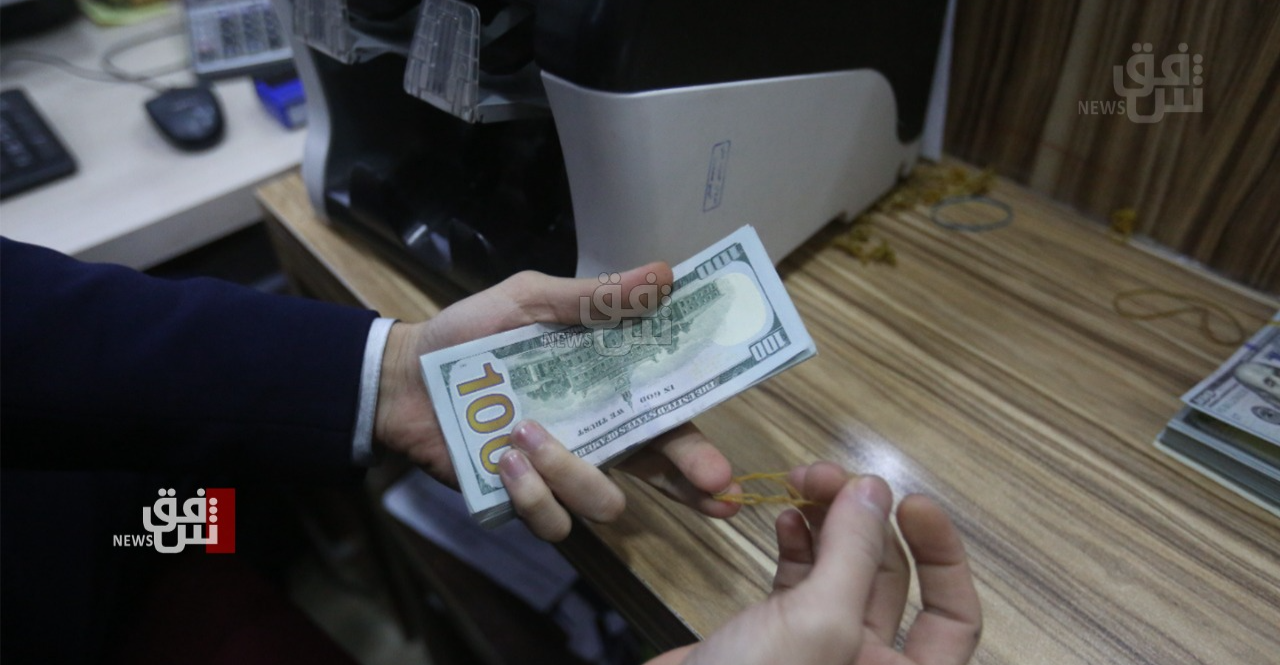
The decision to adjust the exchange rate of the Iraqi dinar against the dollar, which came into effect on Wednesday, has ignited the Iraqi market, amid warnings of inflation and a widening gap between the official and parallel market prices for the US dollar.
The Central Bank of Iraq has adopted a new price for selling dollars to citizens at 1520 dinars, compared to 1510 dinars for banks and 1500 dinars for buying dollars from the Ministry of Finance, instead of the previous price of 1320 dinars per dollar.
The decision comes at a time when public finances are facing pressures related to securing current expenditures, while experts’ estimates vary regarding its repercussions on the public treasury, local markets, and citizens’ purchasing power.
In this regard, financial expert and former director at the Central Bank of Iraq, Mahmoud Dagher, told Shafaq News Agency that the goal of the decision to reduce the value of the Iraqi dinar is to increase the number of dinars that the public treasury receives in exchange for dollar revenues, thus providing a greater ability to cover employee salaries.
Dagher added that the decision “does not aim for any other purpose,” but rather comes primarily to meet salary obligations and enhance the state’s ability to provide the necessary funding for them, explaining that reducing the value of the dinar against the dollar leads to an increase in the dinar value of the revenues that the state obtains in dollars, especially oil revenues, and thus raises the amount of dinars available to the treasury to cover current expenditures, foremost among them the salaries of employees.
In contrast, economist Mohammed Al-Hassani told Shafaq News Agency that these decisions “harm all segments of the population,” explaining that employees lose, according to his estimate, 30% of the value of their salaries, while citizens’ ability to purchase goods loses more than 70% due to customs tariffs and transportation costs.
Thus, according to Al-Hassani’s estimate, the citizen loses about 50% of his monthly income, considering that these measures represent a deduction from citizens’ incomes, and warning of their repercussions on the poor and middle classes.
For his part, economist Ali Daadoush, speaking to Shafaq News Agency, warned of the rising exchange rate in the market, saying that the price “has now started to rise,” and believing that the difference between the official rate and the parallel market will increase.
Daadoush added that the decision will affect the local market, predicting “unbridled and significant inflation” and a rise in food prices, calling on the government to take decisions to limit price increases, including reducing customs duties, with the aim of achieving balance and preventing price increases in the local market.
In this context, a trader, speaking to Shafaq News Agency, predicted that the price of the dollar in the parallel market would rise to between 190,000 and 200,000 dinars per 100 dollars, attributing this to the increased demand for foreign currency, especially from people who have obligations that they are forced to pay.
The trader, who did not want to give his name, said that when the government makes a decision to raise the official dollar exchange rate, it must also bear the responsibility of controlling the parallel market, explaining that the decision does not stop at the exchange rate on paper, but is directly reflected in prices and the citizen’s livelihood.
He added that leaving the parallel market unaddressed means that the citizen will bear the cost of the decision, noting that the new exchange rate will create problems in terms of obligations, debt repayment, and other matters, considering that this may lead to an “economic catastrophe,” in addition to a strong recession in the future.
The Central Bank of Iraq announced on Wednesday the adoption of new exchange rates for the dollar, with the new rates to take effect immediately.
The exchange rate of the US dollar recorded a significant increase in the markets of Baghdad and Erbil on Wednesday morning, coinciding with the start of the implementation of the decision to amend the official exchange rate, amid a state of fluctuation and instability in the parallel market.
The selling price in exchange shops in Baghdad and Erbil reached 169,000 dinars for 100 dollars, while the buying price reached 168,000 dinars.
shafaq.com
